We follow the E-E-A-T principles (Experience, Expertise, Authoritativeness, and Trustworthiness) to make sure you get the best service possible:
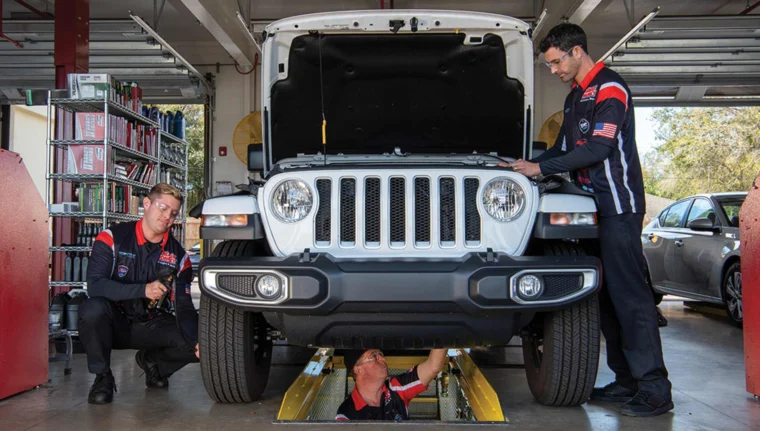
- Experience: My technicians have seen it all—from muddy farm trucks to the newest high-tech SUVs.
- Expertise: We stay up to date on the latest vehicle tech so we can handle your diesel oil change in Laramie, Wyoming, or your full synthetic oil change in Laramie, Wyoming, with total confidence.
- Authoritativeness: Grease Monkey is a leader in the industry. We use high-quality parts and oils that meet or exceed what your car’s maker recommends.
- Trustworthiness: I, Chance, believe in being straight with people. We show you what we find, explain why it matters, and let you make the choice. No pressure, just honest help.
The Laramie Factor: Weather, Wind, and Your Engine
If you’ve lived here for more than a week, you know the wind never stops! Between the blowing snow in the winter and the dry, dusty plains in the summer, your vehicle is under constant attack.
1. The Wyoming Winter (Snow, Sleet, and Sub-Zero Temps)
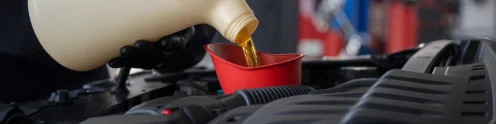
When the temperature drops to -20°F at night, your engine oil can turn into something as thick as molasses. This makes it very hard for your engine to start. That's why I, Chance, often recommend a full synthetic oil change in Laramie, Wyoming. Synthetic oil stays fluid in the extreme cold, protecting your engine from the very second you turn the key.
2. The High-Altitude Climb
Driving over the Snowy Range or even just heading up to the Lincoln Monument on I-80 puts a massive load on your engine. Your oil needs to be fresh to handle that heat and friction. If you’re pushing a heavy load, you might even need a truck oil change in Laramie, Wyoming, more often than the sticker says.
3. Dust and Grit
The wind carries a lot of grit from the plains. If that dirt gets into your oil or your air intake, it acts like sandpaper inside your engine. My team at Grease Monkey is trained to spot these issues before they cause a breakdown.
Our Full Suite of Professional Services
When you come in for an oil change today in Laramie, Wyoming, we don't just "drain and fill." We provide a full-service experience designed to keep you safe on the road. Here is a breakdown of why our specific services matter so much for our local area.
We Track Oil Change Service History and Reminders
With everything going on at the University or with work, it’s easy to forget when you last saw us. I, Chance, make sure we keep a digital record of everything we do. We’ll send you a reminder so you don't have to worry about it. Keeping a solid history also helps your car’s resale value!
We Recycle Used Motor Oil Responsibly
We love the Laramie River and our wide-open spaces. We take environmental safety seriously. Every drop of old oil from your walk in oil change in Laramie, Wyoming, is collected and recycled the right way. We want to keep Wyoming beautiful for the next generation.
Free Engine Check Diagnostics with Every Oil Change
If your "Check Engine" light is staring you in the face, don't ignore it. Every time you come in, we’ll do a free scan. I, Chance, want to make sure you know if a small sensor is failing before it leaves you stranded on a lonely stretch of Highway 287.
Air Filter Replacement
As I mentioned, the wind here is no joke. We check your engine air filter to make sure your motor can breathe. We also check your cabin air filter. This is the one that keeps the dust and pollen out of your lungs while you're driving. Replacing a dirty filter can actually improve your gas mileage, which helps when gas prices are up!
Battery Inspection
Laramie winters are "battery killers." The cold makes it harder for a battery to produce power. We provide a free car battery check with every visit. My team tests the voltage and looks for corrosion. If your battery is weak, I’ll let you know before that first big October freeze hits.
Car Ignition Inspection
A car that won't start is a major problem when it’s snowing. We look at your ignition components to make sure the "spark" is there. It’s all about reliability.
Exhaust System Inspection
Wyoming uses a lot of salt and sand on the roads to keep us from sliding. That stuff can eat away at your exhaust pipe. We inspect the whole system to make sure you aren't leaking dangerous fumes or making too much noise.
Fluid Checks and Top-Offs
Your engine oil isn't the only liquid that matters. We check your transmission fluid, power steering fluid, and brake fluid. Most importantly for Laramie, we check your antifreeze (coolant). If your coolant isn't strong enough, your engine block could actually crack in the winter. We make sure you're protected.
Tire Services
Between the potholes on 15th Street and the gravel roads outside of town, your tires take a beating. We rotate your tires to help them wear evenly. This saves you money in the long run and gives you better traction on icy roads. Better balance means better control when the wind tries to push you off the road!
Fuel Filter Inspection
If your fuel filter gets clogged with sediment, your truck will lose power right when you need it to merge onto the interstate. We’ll take a look and let you know if it’s time for a fresh one.
Idle Speed Adjustment
Does your car feel like it wants to die when you’re stopped at a light near the Hilton Garden Inn? It might be an idle issue. We can check that for you to ensure smooth running.
PCV Valve Inspection
This little valve helps your engine "exhale" properly. If it gets stuck, it can cause oil leaks. We check it as part of our commitment to total engine health.
Throttle Body Cleaning
Over time, carbon builds up in your intake. This makes your car feel "sluggish." A good cleaning can bring back that "new car" throttle response.
Timing Belt or Chain Inspection
If a timing belt snaps, your engine is usually toast. I, Chance, make sure we check the manufacturer's schedule and look for visible wear. It is much cheaper to replace a belt than an entire engine!
Pressure-Test Cooling System
Heat is just as dangerous as cold. We pressure-test your radiator and hoses. We look for cracks or weak spots in the water pump and belts. We want to make sure you don't overheat while driving up to Vedauwoo for a hike.
Air Conditioning Inspection
Yes, we need A/C in Laramie too! When July hits, you don't want to be sweating. We check refrigerant levels, compressors, and belts. Whether you need a recharge or a repair, we can get it done fast.
Why "Near Me" Matters: Local Convenience
When you are looking for an oil change close to me in Laramie, Wyoming, you want speed. We know you might be on your lunch break or heading to a game at War Memorial Stadium. That is why we offer a walk in oil change in Laramie, Wyoming. You don’t need to spend days waiting for an opening. Just pull up to our bays on Wister Drive, and we will get to work.
If you are a student, bring your car in! We know you’re on a budget, so be sure to look for oil change coupons in Laramie, Wyoming, on our website. We want to make sure every student has a safe car for that drive back home for the holidays.
Heavy-Duty Care for Heavy-Duty Trucks
Laramie is a truck town. Whether it's a Ford, Chevy, Ram, or GMC, we know how much you rely on your pickup. We specialize in the truck oil change in Laramie, Wyoming. Trucks often need more oil and bigger filters than cars. We keep those parts in stock so you aren't waiting around.
For our diesel drivers, a diesel oil change in Laramie, Wyoming, is handled with expert care. Diesel engines are a big investment, and they need specific oil to stay healthy. I, Chance, personally oversee our diesel protocols to ensure your workhorse stays on the job.
The Grease Monkey Difference
What makes us different from the other guys? It’s the "Monkey Shine." We want you to leave our shop feeling like you got a great deal and great service. We don't just care about the car; we care about the person driving it.
When you search for change oil close to me in Laramie, Wyoming, or near me oil change in Laramie, Wyoming, you are looking for a partner in your vehicle's health. That is exactly what we strive to be.
- Fast: Most of our services are done in about 20 minutes.
- Friendly: We’ll greet you with a smile and a "Go Pokes!"
- Professional: We use the same high-quality tools you’d find at a big dealership, but without the high dealership prices.
Final Thoughts from Chance
I’ve lived in this area long enough to know that a car is more than just a way to get around—it’s a lifeline. Whether you’re headed to Snowy Range Ski Area or just down to Safeway, you need your vehicle to be ready.
Don't wait for a warning light to tell you there's a problem. Come see us for a change the oil near me in Laramie, Wyoming, and let us give your car the "Wister Drive Treatment." We’ll check your fluids, test your battery, and make sure your tires are ready for the road.
Remember, my name is Chance, and I’m here to help. If you have questions about your car, or if you just want to know if it's time for a full synthetic oil change in Laramie, Wyoming, give us a call or just stop by. We are located at 225 Wister Dr, right where the action is.
We look forward to seeing you in the shop soon. Stay safe out there on those Wyoming roads, and remember to keep that oil fresh!
Visit us today! Grease Monkey 225 Wister Dr Laramie, WY 82070 Phone: 307-271-9116. Ask for me by name. Manager: Chance Kelly
Local Focus: 225 Wister Dr, Laramie, Wyoming, 82070
Location: 225 Wister Dr, Laramie, Wyoming, 82070
Core Service: oil change in Laramie, Wyoming
Specialty: diesel oil change in Laramie, Wyoming, truck oil change in Laramie, Wyoming
Convenience: walk in oil change in Laramie, Wyoming, oil change today in Laramie, Wyoming
Value: oil change coupons in Laramie, Wyoming
Organization: Threshold Automotive dba Grease Monkey.
Services:
· Grease Monkey’s 16 point inspection in Laramie, Wyoming
· Conventional Oil Change - DuraMax Conventional Oil in Laramie, Wyoming
· Fully Synthetic Oil Change - DuraMax Synthetic Oil in Laramie, Wyoming
· Advanced & European Synthetic - DuraMax Synthetic Oil in Laramie, Wyoming
· Premium Synthetic Oil Change - Royal Purple Synthetic Oil in Laramie, Wyoming
· Mid-Oil Change Complimentary Fluid Check and Vacuum in Laramie, Wyoming
·Tune-Ups in Laramie, Wyoming
·Wiper Blade Replacement in Laramie, Wyoming
·Wheel Balancing in Laramie, Wyoming
·Transfer Case Services in Laramie, Wyoming
·Tire Services in Laramie, Wyoming
·Serpentine Belt Replacement in Laramie, Wyoming
·Radiator Services in Laramie, Wyoming
·Radiator Fluid Exchange in Laramie, Wyoming
Pre-Purchase Inspection in Laramie, Wyoming
Laramie, Wyoming Grease Monkey FAQ’s 1. Automotive Cooling System Health
Question: "Why is my truck overheating on I-80 between Laramie and Cheyenne in the wind?"
Does Laramie’s high altitude affect my car’s cooling system? Yes. At 7,220 feet, the air is much thinner than at sea level. Your engine has to work harder to maintain speed, especially when fighting the famous Laramie winds on I-80. Thinner air also carries less heat away from your radiator. We recommend a cooling system check-up every autumn to make sure your car can handle the extra stress of high-elevation driving.
What is the best antifreeze mix for Wyoming’s sub-zero winters? In Laramie, temperatures can drop to -30°F. You must use a "winter-heavy" mix of antifreeze. While a 50/50 mix is standard, many local experts suggest a 60/40 antifreeze-to-water ratio for our region. This prevents the liquid from freezing solid, which would crack your engine block and leave you with a very expensive repair bill.
Why does my car run hotter when driving against the wind near Snowy Range? Driving into a 50-mph headwind is like driving up a constant hill. Your engine uses more fuel and creates more heat to push through the air. If your cooling system isn't 100% healthy, this extra load will cause the temperature gauge to spike. Always keep your radiator fins clear of dirt and bugs to allow maximum airflow.
How often should Laramie fleet owners flush their coolant? For local businesses and ranch fleets, we suggest a coolant flush every 2 years or 30,000 miles. The "high desert" minerals in our region can cause buildup inside the system. Fresh coolant keeps your water pump lubricated and prevents rust from forming inside the engine during the long, damp winter months.
What are the signs of a failing thermostat in cold climates? If your heater stays cold even after driving for 20 minutes, your thermostat might be stuck "open." If your engine overheats quickly, it might be stuck "closed." In Laramie’s extreme cold, a working thermostat is vital to keep your cabin warm and your engine at the right operating temperature.
2. High-Performance Automotive Lubrication
Question: "What is the best oil weight for starting a car in Laramie at -20 degrees?"
Why is full synthetic oil a "must-have" for Laramie drivers? Standard motor oil can turn into a thick gel when it gets really cold. Full synthetic oil is designed to stay liquid even at 40 degrees below zero. This allows your engine to turn over easily on a freezing morning near the UW campus. It also protects your engine better during high-speed highway driving to Fort Collins or Casper.
How does the "Laramie Dust" affect my oil change schedule? Wyoming is a windy place, and that wind carries a lot of grit and dust. This dust can get into your engine through the air intake and mix with your oil. For this reason, we suggest changing your oil every 5,000 miles rather than the 7,500 miles suggested in warmer, less windy states.
What does "0W-20" oil mean for my winter commute? The "0W" stands for "0 Winter." This is the thinnest rating available for cold starts. It flows to your engine's top parts instantly, preventing wear during those first few seconds of running. In a place as cold as Laramie, using the lowest "W" rating recommended by your manufacturer is the best way to extend your engine's life.
Do older trucks in Albany County need special oil? Yes. Many residents drive high-mileage trucks for ranch work. High-mileage synthetic oils contain "seal conditioners." These help keep rubber gaskets soft so they don't shrink and leak in our dry, high-altitude air. This keeps your oil inside the engine where it belongs.
Why should Laramie fleet managers use oil analysis? For heavy-duty fleets, "oil sampling" is a great tool. It looks for tiny metal flakes in the oil. This can tell you if an engine is about to fail before it actually breaks down. In Wyoming, where a breakdown can happen miles from the nearest town, this kind of planning is a lifesaver.
3. Automotive Tire Reliability
Question: "Are studless snow tires better than all-seasons for Laramie's icy streets?"
Why does my tire pressure light always come on at night in Laramie? Air shrinks when it gets cold. Because Laramie is one of the highest and coldest cities in the U.S., the pressure drop in your tires is very noticeable. You might lose 1-2 pounds of pressure for every 10-degree drop. Always check your tires in the morning to make sure they are safe for the day's drive.
Do I really need winter tires if I have 4-wheel drive? Four-wheel drive helps you get moving, but it does NOT help you stop on ice. All-season tires become hard and slippery like plastic when it's below 45°F. Dedicated winter tires stay soft and "bite" into the ice. For the slick intersections on Grand Avenue, winter tires are the best safety investment you can make.
How does the high-altitude sun damage my tires? The UV rays in Laramie are very intense because there is less atmosphere to block them. This sun exposure dries out the rubber, causing "weather checking" or small cracks. If you see cracks on your tire's sidewall, the tire is no longer safe for highway speeds, even if the tread looks deep.
What is the legal tread depth for driving I-80 in a storm? Wyoming often puts "Tire Code" or "Chain Law" into effect on I-80. You generally need at least 4/32 of an inch of tread to be legal and safe. A quick way to check is to stick a quarter into the tread. If the top of Washington’s head is visible, you need new tires before the next "Ground Blizzard" hits.
Should Laramie fleets use "All-Weather" tires instead of "All-Season"? Yes. "All-Weather" tires (with the 3-Peak Mountain Snowflake symbol) are much better for Wyoming businesses. They can stay on the vehicle all year but offer much better grip on snow than standard all-seasons. This saves the business the cost of switching tires twice a year while keeping drivers safe.
4. Automotive Brake Safety Check
Question: "Why do my brakes feel 'crunchy' when driving on Laramie's snow-packed roads?"
What is that "pulsing" feeling in my brake pedal on icy roads? That is your Anti-lock Braking System (ABS) working! On Laramie’s icy winter streets, your tires want to lock up and slide. The ABS pumps the brakes hundreds of times per second to help you keep steering. If you feel this, do not let go of the pedal—keep steady pressure and steer to safety.
How does road salt and "brine" affect my brakes in Albany County? Road crews use salt and liquid de-icers to keep the roads clear. This salt causes metal parts like brake lines and calipers to rust very fast. If your brakes start to squeal or if the car pulls to one side, you might have a rusted caliper. We suggest a high-pressure undercarriage wash after every winter storm.
Why is brake fluid choice important at high altitudes? Brake fluid can absorb moisture over time. In our cold, high-pressure environment, that moisture can freeze or cause the fluid to become sluggish. We recommend a brake fluid "flush" every two years to ensure your brakes react instantly when you need to avoid a deer or an icy patch.
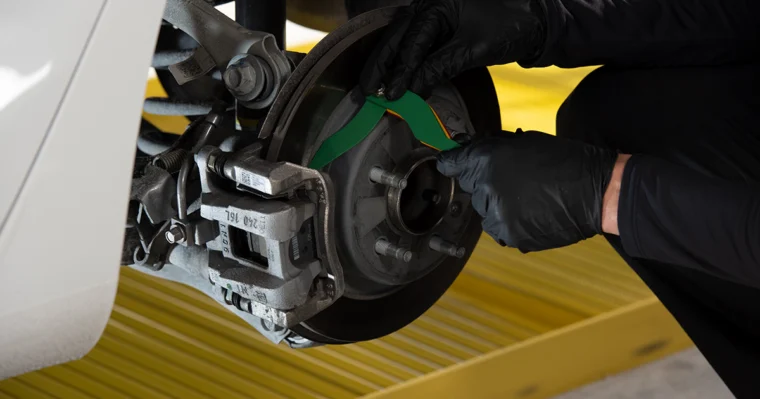
What are the signs of worn brakes before a mountain trip? If you hear a high-pitched metallic screech, your "wear sensors" are telling you the pads are thin. If you hear a deep grinding sound, your pads are gone and you are damaging your rotors. Never head over the "Summit" toward Cheyenne if your brakes are making noise.
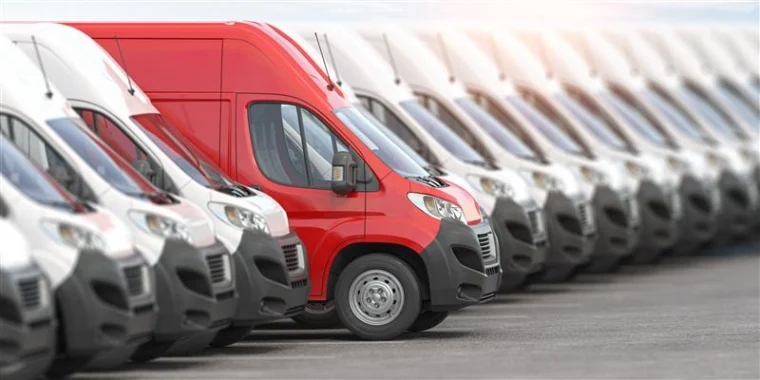
Should fleet owners use heavy-duty brake rotors in Wyoming? Yes. Constant braking in wind and on hills creates a lot of heat. Heavy-duty rotors are thicker and have better cooling vents. For local delivery trucks, these rotors stay straight and don't "warp" as easily, which means fewer repairs and a safer ride for your drivers.
5. Automotive Drive Belt & Hose Inspection
Question: "How often should I replace my car's serpentine belt in a dry climate like Wyoming?"
Why do rubber belts fail so often in the Laramie area? The "high desert" air in Laramie is very dry. Dry air and high UV rays cause rubber to lose its oils and become brittle. A belt that would last 100,000 miles in Florida might only last 60,000 miles here. We suggest a visual check for cracks at every oil change.
What does a "squeal" on a cold Laramie morning mean? If your car squeals when you first start it, your drive belt is likely slipping. As the rubber gets old and hard, it can't grip the pulleys in the cold. Eventually, the belt will snap, which will stop your alternator from charging and leave you with a dead battery in the middle of nowhere.
How do I know if my radiator hose is about to fail? Check your hoses when the engine is cold. Squeeze them—they should feel like a firm piece of rubber. If they feel "crunchy," mushy, or have a visible bulge, they are about to burst. In Laramie’s extreme cold, a burst hose can leave you stranded in dangerously low temperatures.
What is a "timing belt" and why is it a big deal? The timing belt is the most important belt in your engine. If it breaks, your engine stops instantly and may be ruined. Because our engines work harder at 7,200 feet, we recommend replacing the timing belt 10,000 miles earlier than the owner's manual suggests, just to be safe.
Why should local fleets perform "belt and hose" audits? A broken $40 belt can result in a $1,000 towing bill if the truck is out near Woods Landing or Rock River. For Laramie fleet owners, replacing all belts and hoses every 4-5 years is the best way to prevent expensive, "out-of-town" emergency repairs.
6. Automotive Battery Stress Test
Question: "Why is my car battery dying every time it hits -10 in Laramie?"
Why does Laramie’s cold weather kill car batteries? Batteries work using a chemical reaction. Cold weather slows this reaction down significantly. At 0°F, a battery only has about half the power it has at 80°F. Since your engine oil is also thicker in the cold, the battery has to work twice as hard with only half the power. This is why "Battery Stress Tests" are so important every October.
What is the life expectancy of a battery in Wyoming? Because of our extreme temperature swings, most batteries in Laramie only last 3 to 4 years. The hot summer sun damages the internal plates, and the winter cold finishes them off. If your battery is over 3 years old, it’s a good idea to have it tested before the first big freeze.
What are the warning signs of a dying battery? If your engine turns over slowly (a "rur-rur-rur" sound), your battery is struggling. Other signs include dim headlights when the car is idling or a "check engine" light. In modern cars, a weak battery can also cause the security system or remote start to fail.
Does the wind affect my battery? Wind doesn't hurt the battery directly, but the "wind chill" cools your engine block down much faster. This makes the oil thicker and the start harder. Parking in a garage or using a "block heater" can help your battery last longer by keeping the engine warm.
Why is a "Block Heater" common for Laramie drivers? A block heater is an electric heater inside your engine. You plug it into a wall outlet at night. It keeps the engine oil warm, which makes it much easier for the battery to start the car. If you live in Laramie and don't have a garage, a block heater is a great investment.
7. Importance of Wiper Blade Replacement
Question: "Best windshield wipers for heavy ice and ground blizzards in Wyoming."
Why do my wipers fail after just one Wyoming summer? The intense high-altitude sun "cooks" the thin rubber edge of your wiper blades. This makes them hard and jagged. When the first snow hits, they won't clear the glass, leaving dangerous blind spots. We recommend changing your blades every 6 months—once in the spring and once in the fall.
Are "Beam-Style" wipers better for Laramie winters? Yes. Traditional wipers have a metal frame with springs. These springs get packed with ice and stop working. "Beam" blades are one solid piece of rubber. They don't have a frame to get iced up, which makes them much better for the heavy slush and blowing snow we get in Albany County.
What is "Winter Washer Fluid" and why do I need it? Regular "blue" washer fluid can freeze at 20°F. In Laramie, you need "De-Icer" fluid rated for -25°F or -30°F. This fluid has extra alcohol to melt ice on the move and ensures your sprayers don't freeze shut while you're driving on I-80.
How can I stop my wipers from freezing to the windshield? If a snowstorm is coming, pull your wiper arms away from the glass so they "stand up." This prevents the rubber from freezing to the windshield. If they do freeze, never "rip" them off or use the wiper motor to break them loose, as this will tear the rubber or break the motor.
Why is visibility the #1 safety issue for Wyoming fleets? In a "ground blizzard," the wind blows snow across the road even when the sun is out. If your wipers are streaky, you won't be able to see the tail-lights of the car in front of you. High-quality wipers are the cheapest insurance policy a fleet owner can buy.
8. Automotive AC & Cabin Air Comfort
Question: "Why does my car heater smell like dust and dirt in Laramie?"
Does high altitude change how my AC works? AC systems use "refrigerant" to move heat. In our thin air, the system has to work a bit harder. If your AC isn't freezing cold, you might have a small leak caused by our bumpy roads. It is also important to run your AC for a few minutes every month in the winter to keep the seals lubricated.
What is a "Cabin Air Filter" and why should I change it in the plains? This filter cleans the air you breathe inside the car. Because Laramie is surrounded by dirt roads and dry plains, these filters get clogged with dust very fast. A clogged filter makes your heater feel weak and can make the air inside smell "musty." We suggest changing it once a year.
Why is my heater not getting hot on cold mornings? This could be a low coolant level or a bad "heater core." In a Laramie winter, a working heater is a safety requirement, not just a comfort. If your windows are fogging up and won't clear, your AC/Heater system isn't removing the moisture correctly.
Can I use my AC to clear fog from my windows in the winter? Yes! In fact, most cars automatically turn on the AC compressor when you select "Defrost." The AC removes moisture from the air, which clears the fog much faster than just using the heater alone. This is vital for seeing clearly during a sudden Wyoming snow squall.
Why should fleet owners care about cabin comfort? A driver who is shivering or can't see through a foggy window is a distracted and dangerous driver. Ensuring the heater and defrost systems are working perfectly in your fleet is essential for safety during the long Laramie winters (which can last from October to May!).