15 Reasons Being the Magic Valley's Hub City Never Lets a Twin Falls Transmission Rest
Location: Twin Falls, ID Topic: Grease Monkey Center #1511 By: Phil Gilliam
An Authoritative Guide for Vehicle Transmission Health and Repair in Southern Idaho’s Regional Hub City
Grease Monkey 1552 Sunwest Way, Twin Falls, ID 83301 Has Over 133 Google Reviews With A 4.6 Star Rating
A Note on Authority and Expertise: This article was researched and written by Phillip Paul Gilliam, a veteran journalist and former Editor-in-Chief with more than 50 years of publishing experience in automotive, trucking, and safety communications. The transmission guidance presented here is grounded in current SAE fluid-life standards, ASE-recognized diagnostic practices, and manufacturer engineering research – not generic information.
The Grease Monkey at 1552 Sunwest Way, Twin Falls, ID 83301, is part of the FullSpeed Automotive network, which services more than 5.2 million vehicles annually across 700-plus locations nationwide and generated over $542 million in 2026 revenue. In 2025, 435 FullSpeed Automotive locations – including Grease Monkey franchises – were named CARFAX Top Shop Winners for verified customer satisfaction, and in 2026 Grease Monkey was recognized as an Entrepreneur Verified Franchise. Grease Monkey’s ASE-certified technicians bring that national training standard to a city that functions less like a single town and more like the beating heart of an entire region.
Twin Falls is the largest city in the Magic Valley, drawing daily traffic from eight surrounding counties across south-central Idaho and northeastern Nevada for its retail, healthcare, and education [9]. The Perrine Bridge alone, carrying US-93 across the Snake River Canyon, delivers an estimated 34,000 vehicles a day toward the city’s shopping district, and drivers here range from lifelong residents to RVs passing through toward Yellowstone, used-car buyers off Blue Lakes Boulevard, and everyone in between [6][9].
An Introduction to Real Transmission Problems in Twin Falls
Most drivers only think about their transmission when something already feels wrong – a sweet smell that shouldn’t be there, a harsh shift after a jump-start, a rebuild quote that feels too fast. By the time it becomes impossible to ignore, the repair bill has usually jumped from a few hundred dollars to several thousand. That gap is not bad luck. It is math. Automatic transmission fluid follows a well-documented thermal curve: for every 20 degrees Fahrenheit the fluid runs above roughly 175 degrees F, its usable service life is cut in half, according to SAE and Allison Transmission engineering data. Fluid that would last 100,000 miles at 175 degrees F is finished at 25,000 miles by 220 degrees F, and drops to just 5,000 miles at 260 degrees F [1].
Twin Falls drivers run into that curve in specific, recognizable ways: a used car bought off a Blue Lakes Boulevard dealer lot with an unknown transmission history, a climb back out of the Snake River Canyon on a hot afternoon, a diagnosis that jumps straight to a rebuild quote. This guide walks through fifteen real transmission symptoms and questions – the kind a driver actually types into a search bar or asks a technician face to face – organized from the most urgent safety concerns to the more preventive, long-view maintenance decisions.
Each one explains what is actually happening inside the transmission, not just where it happens. And each one closes with a specific next step you can take at the Grease Monkey on Sunwest Way.
Most Critical
1. Sweet Smell, Strawberry-Milkshake Fluid: Why This Combination Means Stop Driving Now
Category Most Critical
My transmission fluid smells sweet and looks milky or pink instead of red – what does that actually mean?
A sweet smell combined with fluid that looks milky, frothy, or pink almost always means engine coolant has leaked into the transmission fluid, usually through a failed internal cooler where the two systems share a boundary inside the radiator [2]. Coolant is chemically incompatible with the friction material on a transmission’s internal clutches – it causes that material to swell and peel off its metal backing – and continuing to drive even a short distance on contaminated fluid can destroy the entire transmission beyond repair.
This is one of the few transmission symptoms that genuinely calls for not driving the vehicle at all until it’s inspected, rather than scheduling a visit for later in the week.
2. Firm Shifts After a Jump-Start: Why Your Transmission Suddenly Feels Different
Category Most Critical
My transmission has been shifting noticeably firmer since I jump-started my car after the battery died – is something actually wrong?
Modern transmissions are computer-controlled and adaptive – they learn shift points and clutch pressure over time based on your driving style and the transmission’s actual wear. When a battery is disconnected or dies and gets jumped, that stored adaptive data can be affected, and the transmission control module has to relearn its shift strategy from a more basic default, which often produces noticeably firmer or slightly mistimed shifts for a while afterward [3].
This is genuinely normal and typically resolves itself within a few dozen miles of varied driving – gentle acceleration through all gears, then some highway speed – as the module relearns your patterns; it is not a sign of new mechanical damage, but it is worth mentioning at your next visit if it hasn’t smoothed out after a week of normal driving.
3. When Park Isn’t Enough: What Happens if a Parking Pawl Actually Fails
Category Most Critical
My car rolled away when I thought it was safely in Park near St. Luke’s parking garage – could my transmission’s parking pawl have actually failed?
The parking pawl is a small metal tooth that locks the transmission’s output gear in place when you shift into Park, but its actual job is to prevent the car from creeping once it’s already stopped and still – it is not designed to hold a moving vehicle or resist real momentum, and it is not a substitute for the parking brake [3]. Repeatedly skipping the parking brake on an incline, or shifting into Park before the vehicle has completely stopped, puts stress on the pawl that it isn’t built for and can eventually crack or shear it outright – at which point a parked car on a hill is free to roll.
The parking brake exists specifically to hold the vehicle in place; the transmission’s Park position is a secondary lock, not the primary one, which is why using both together on any incline – a parking garage ramp, a sloped driveway – is the actual safety practice, not just a suggestion.
4. The Long Way Out: What Climbing Back Out of Snake River Canyon Does to Your Transmission
Category High Priority
I drive down into Snake River Canyon for the golf courses and the climb back out feels like it works the engine hard – does that actually stress my transmission too?
Climbing a sustained grade under real throttle load – rather than descending it with engine braking – asks the torque converter to work continuously rather than lock up efficiently, and that sustained slip generates real heat on top of whatever the ambient temperature already is [6]. A cooling system that keeps up fine on flat ground can fall behind on a long, steep climb, and once transmission temperature climbs faster than the cooler can remove that heat, the fluid begins breaking down – the same thermal curve that governs every other overheating scenario in this guide.
If your regular routes include a climb back out of the canyon, especially on a hot afternoon, giving the vehicle a few minutes of level driving afterward – rather than immediately parking with the engine still hot – helps the cooling system catch up rather than trapping that heat.
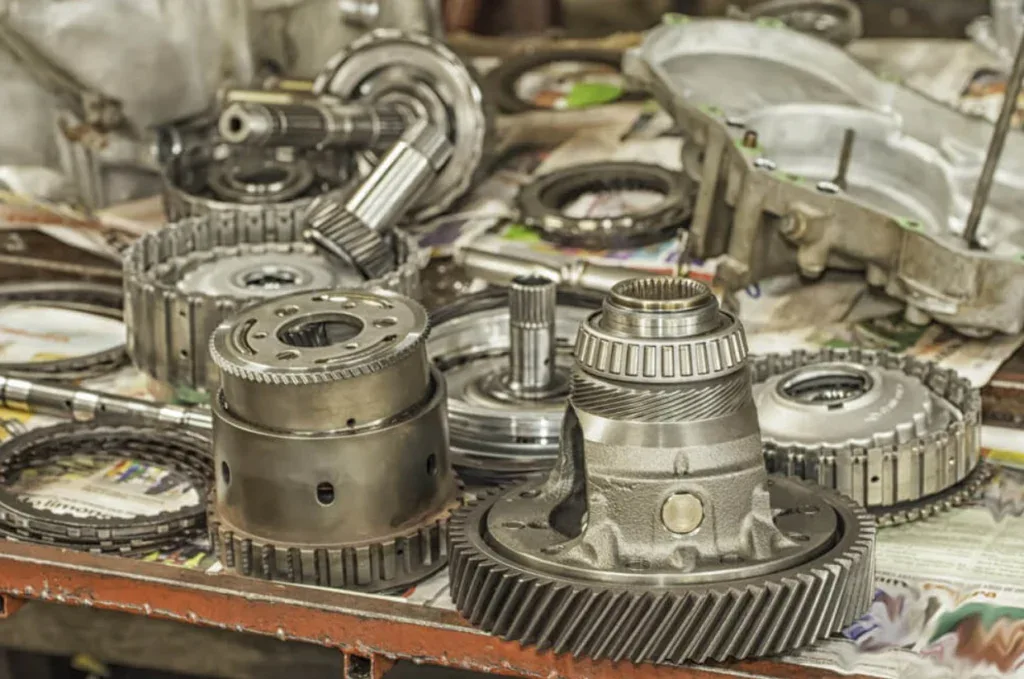
Thinking about a transmission rebuild? Visit our Grease Monkey on Sunwest Way before spending any money
5. Before You Sign for a Rebuild: Why a Second Opinion Is Worth the Extra Stop
Category High Priority
A shop told me I need a full transmission rebuild – is it actually worth getting a second opinion before I commit to that?
A proper transmission diagnosis should include scan tool data, fluid color and condition, pan debris inspection, and road-test notes under real driving conditions – not just a verbal “it needs a rebuild” after a quick look [5]. A second opinion at an independent shop typically costs $100 to $200, and in a regional hub like Twin Falls with multiple shops serving eight counties’ worth of customers, that second diagnostic is genuinely accessible in a way it might not be in a smaller town with only one option.
A legitimate rebuild recommendation should come with a written estimate naming the specific failed component, the parts list, and labor hours – not just a dollar figure. If a shop won’t put that in writing, that alone is a reason to get a second look before authorizing thousands of dollars in work.
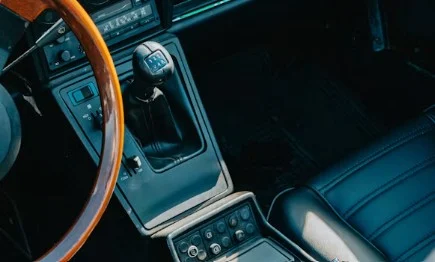
6. What the Odometer Doesn’t Tell You: Verifying a Used Car’s Real Transmission Condition
Category High Priority
I’m looking at a used car from one of the Blue Lakes Boulevard dealerships – can I actually trust the odometer to reflect the transmission’s real condition?
Odometer fraud is a genuine, ongoing problem, and the dashboard number alone doesn’t guarantee an accurate picture – a mechanic with proper scan tools can often pull mileage data logged separately in the transmission control module or engine computer and compare it against the dash reading for discrepancies [7]. Beyond the electronics, physical wear tells its own story: a shift knob or gear selector worn smooth of its texture, pedal wear inconsistent with claimed mileage, or maintenance records that don’t line up with the stated odometer reading are all real signals worth checking before you buy.
A pre-purchase inspection that specifically checks for mileage discrepancies – not just a general once-over – is the difference between buying a car with a transmission that matches its odometer and one that doesn’t.
7. The Update That Changed Everything: When a Software Reflash Alters Your Shift Feel
Category Important
My dealership did a software update and now my transmission shifts completely differently – is that expected, or did something go wrong?
A transmission control module reflash updates the software governing shift timing, line pressure, and shift feel, and manufacturers issue these updates specifically to fix known shifting complaints – harsh cold shifts, hesitant light-throttle upshifts, and similar issues [8]. Because the update changes the calibration the module uses, previously learned adaptive values can effectively reset, and shift feel can genuinely change – sometimes noticeably – until the module relearns your specific vehicle’s behavior over the following days of driving.
A shift feel change immediately following a documented software update is expected and different from a shift feel change that shows up with no known cause – knowing which one you’re dealing with is the first useful question a technician will ask.
8. Chipped and Tuned: What an Aftermarket Performance Tune Actually Risks in Your Transmission
Category Important
I installed an aftermarket performance chip and now I’m wondering if it could actually hurt my transmission or void my warranty.
Many aftermarket tuning chips and programmers don’t just adjust engine parameters – they can directly alter transmission line pressure and shift timing to change how firmly and how soon the transmission shifts [8]. That’s a meaningful risk specifically for the transmission: increased line pressure leaves physical evidence inside the transmission housing that a warranty inspector can identify, and if a clutch pack or input shaft fails after a tune was installed, that evidence is often the first thing checked.
The Magnuson-Moss Warranty Act requires a dealer or manufacturer to prove that an aftermarket part actually caused a failure before denying warranty coverage – but that legal protection doesn’t undo physical damage already done inside the transmission if the tune’s parameters genuinely exceeded what the hardware was built for.
Stop and go traffic to deliver your products is hard on your vehicle. Know the importance of transmission service.
9. Stop and Go, Stop and Go: What Repeated Delivery Stops Actually Cost a Transmission
Category Important
I drive for a food delivery app based out of Twin Falls – does shifting between Park and Drive at every single stop actually wear a transmission differently than a normal commute?
Every shift from Park into Drive and back again cycles the parking pawl, the transmission pump priming its pressure from a standstill, and the initial clutch engagement – and a driver making dozens of short delivery stops a day is putting that specific cycle through far more repetitions per mile than a commuter making two trips a day ever would. That repeated cycling, more than the total mileage itself, is the more relevant wear pattern for a delivery driver’s transmission, and it’s exactly the kind of duty cycle a simple odometer reading doesn’t capture.
If delivery driving is a regular part of your routine, mentioning the number of daily stops – not just total miles – gives a technician a much more accurate picture of your transmission’s actual duty cycle.
10. Flush or Fill? Understanding What Your Transmission Service Actually Involves
Category Medium Priority
One shop offered me a “transmission flush” and another offered a “drain and fill” for a very different price – what’s actually the difference?
A drain and fill removes only the fluid sitting in the transmission pan – typically 30 to 50 percent of the total fluid – while a machine-driven flush connects to the cooler lines and cycles fresh fluid through the entire system, replacing closer to 90 to 100 percent [10]. For a transmission on a normal maintenance schedule with fluid that isn’t heavily degraded, a drain and fill is usually sufficient; a flush is generally the better call for a transmission with a history of neglected fluid, high mileage, or fluid that’s already dark and showing signs of real wear.
Knowing which service your specific situation actually calls for – rather than defaulting to whichever is cheaper or whichever a shop pushes hardest – is worth a direct conversation before you agree to either one.
11. Fresh Off the Lot, Already Sitting Still: What Months on a Dealer Lot Can Do to a New Car’s Seals
Category Medium Priority
I bought a brand-new car that had been sitting on a Blue Lakes Boulevard dealer lot for several months before I drove it – could that actually matter for the transmission?
Transmission seals are designed to stay pliable through regular contact with circulating fluid, and a vehicle that sits without being driven for months at a time – whether in a driveway or on a dealer’s lot – doesn’t get that circulation [11]. A few months typically isn’t enough to cause a real problem, but seals can begin to dry out and lose flexibility the longer a vehicle sits truly idle, and a seal that’s dried out can develop a slow leak once the vehicle finally goes into regular use.
This is a minor consideration for most new-car purchases, but if a specific vehicle you’re buying has sat notably longer than average – ask the dealer how long it’s been on the lot – a quick fluid and seal check shortly after taking delivery is a reasonable, low-cost precaution.
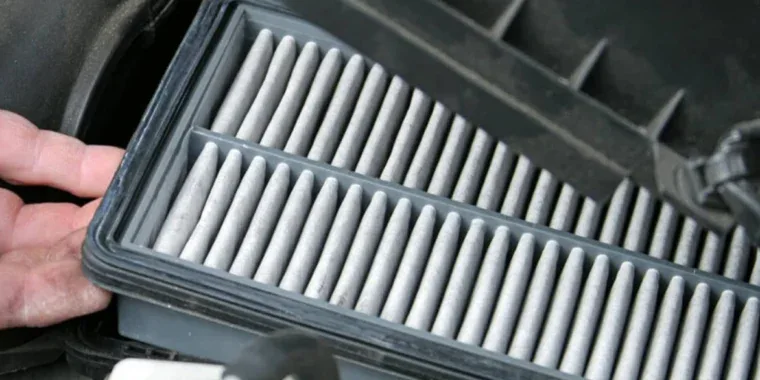
12. Does Your Transmission Even Have a Filter? What to Know Before Your Next Fluid Service
Category Medium Priority
I keep hearing about “changing the transmission filter” – does my car actually have one, and how do I know when it needs replacing?
Not every transmission has a replaceable filter – many use a fine-mesh screen inside the pan that isn’t designed to be swapped out, while others do have a true replaceable filter, sometimes mounted outside the transmission and sometimes requiring the pan to come off to access it [12]. For vehicles that do have a genuine replaceable filter, most manufacturers recommend changing it roughly every 30,000 to 60,000 miles or every two years, though your owner’s manual is the definitive source since the design varies significantly by make and model.
Whether your transmission has a screen or a true filter matters for what a “full service” should actually include – it’s a reasonable question to ask before paying for a service that may or may not apply to your specific vehicle.
13. The Bottle That Promises a Fix: Do Stop-Slip Transmission Additives Actually Work?
Category Lower Priority
My transmission has started slipping a little, and I’ve seen bottles of “stop slip” additive at the parts store – do those actually fix anything?
Friction-modifier and stop-slip additives can, in some limited cases, provide a genuine temporary improvement for very mild shudder caused by fluid that’s simply aged rather than mechanically damaged – but by the time a transmission is actually slipping, the underlying friction material and clutch surfaces are usually already physically worn, and no additive restores worn metal or glazed friction material. These products are better understood as a way to mask a mild symptom for a while, not a repair for a real mechanical problem.
If a bottle of additive genuinely resolves a shudder and it doesn’t return, the fix was likely fluid-related and probably would have been solved just as well by a proper fluid service. If the symptom returns or continues worsening, that’s a sign the additive was masking something an additive was never going to fix.
14. Taking It Easy on Purpose: What a Rebuilt Transmission’s Break-In Period Actually Requires
Category Lower Priority
I just had my transmission rebuilt – is there really a break-in period I need to follow, or can I drive normally right away?
A freshly rebuilt transmission typically needs a break-in period of roughly 500 to 1,000 miles, and manufacturers commonly recommend keeping the first 100 miles or so to shorter trips under 45 mph with gentle, gradual acceleration rather than hard launches or sustained highway speed. New internal components – fresh clutch material, new seals – need a period of gentle use to seat properly, and towing, heavy acceleration, or extended high-speed driving during that window puts stress on parts that haven’t fully broken in yet.
Skipping the break-in period isn’t just a suggestion a shop makes to be cautious – failing to follow it can void the rebuild’s warranty entirely, which makes it one of the cheapest pieces of advice in this entire guide to actually follow.
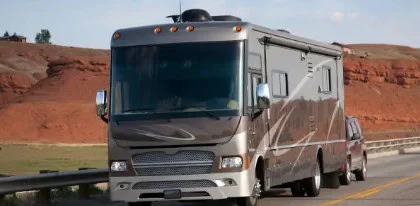
You need to know what you can tow, how to properly tow, and the impact on your vehicle transmission
15. Hooking Up Behind the RV: Which Vehicles Can Actually Be Flat-Towed Without Transmission Damage
Category Lower Priority
We’re planning to flat-tow our car behind our RV through Twin Falls toward Yellowstone – could that actually damage the transmission?
Flat-towing – pulling a vehicle with all four wheels on the ground – relies on the engine running to circulate transmission fluid through the pump; with the engine off, that circulation stops even though the wheels keep the internal components spinning at highway speed, which can destroy an automatic transmission not specifically designed for it [15]. Only vehicles built with a factory transmission disconnect, or manufacturer-confirmed flat-tow compatibility, can be towed this way safely – shifting to Neutral alone is not enough, since it doesn’t stop the internal components from spinning. CVTs in particular cannot be flat-towed under any circumstances without transmission damage.
Before flat-towing any vehicle, checking the owner’s manual for explicit flat-tow approval – not just assuming Neutral makes it safe – is the one step that prevents a very expensive mistake on the way to Yellowstone.
About Grease Monkey 1552 Sunwest Way, Twin Falls, ID 83301
Grease Monkey’s Sunwest Way location serves the entire Magic Valley region with a full-service oil change and signature 16-point inspection, transmission fluid included, from ASE-certified technicians used to seeing everything from local commuters to RVs passing through toward Yellowstone. Beyond fluid exchanges, the team handles second-opinion transmission diagnostics, pre-purchase inspections for used vehicles off Blue Lakes Boulevard, flush versus drain-and-fill guidance, and post-rebuild break-in service. The shop serves St. Luke’s medical staff and patients, College of Southern Idaho students and employees, Chobani’s workforce, and drivers from all eight counties Twin Falls serves as a regional hub – backed by a 4.6-star rating across more than 133 Google reviews.
Author Information
Author Bio – Phillip Paul Gilliam
Phillip Gilliam is a veteran journalist and former Editor-in-Chief with 50+ years of publishing experience and thousands of published articles. Specializing in automotive, trucking, and digital publishing, he creates authoritative, search-optimized content built on real-world expertise and editorial excellence. To learn more about Phil, visit http://www.phillipgilliam.com/about.html or contact Phil at [email protected]. He would love to hear from you!
[3] JustAnswer; cgsulit; CarParts.com; Street Smart Transmission. Adaptive Shift Relearn After Battery Disconnect and Parking Pawl Function. Available at: https://www.justanswer.com/ford/o93b9-procedure-resetting-adaptive-learning.html and https://streetsmarttransmission.com/transmission-parking-pawl/. (A battery disconnect or jump-start can cause the transmission control module to relearn adaptive shift data, producing temporary firm or mistimed shifts; the parking pawl prevents creep once stopped but is not designed to hold a vehicle against real momentum or replace the parking brake on an incline.)
[6] Denver Westword; Colorado Parks and Wildlife (thermal curve source shared with grade-climb heat mechanism); Cummins Diesel Forum grade-climb data. Sustained Grade Climbing and Transmission Heat Buildup. Available at: https://www.cumminsforum.com/threads/overheating-issue-during-steep-hill-climbs.2079314/. (Climbing a sustained grade under throttle load keeps the torque converter slipping continuously, generating heat that can outpace the cooling system, especially combined with high ambient temperature.)
[9] World Population Review; Twin Falls regional hub data. Twin Falls, Idaho Regional Population and Draw Area. Available at: https://worldpopulationreview.com/us-cities/idaho/twin-falls. (Twin Falls is the largest city in Idaho’s Magic Valley and serves as the regional hub for retail, healthcare, and education across eight surrounding counties.)
[15] CarParts.com; Blue Ox. Flat Towing Compatibility and Automatic Transmission Damage Risk. Available at: https://www.carparts.com/blog/what-cars-can-be-flat-towed-behind-your-rv/ and https://www.blueox.com/what-vehicles-can-be-flat-towed/. (Flat towing requires the engine running to circulate transmission fluid; only vehicles with a factory transmission disconnect or manufacturer-confirmed flat-tow rating can be towed with all four wheels on the ground without damage. CVTs cannot be flat-towed under any circumstances.)
We use cookies to improve your browsing experience on our website. By closing this banner or interacting with our site, you acknowledge and agree to our privacy policy.