Top 15 Reasons Woodland Park, Colorado Residents Must Have Their Vehicle Air Conditioning Serviced and Inspected Regularly
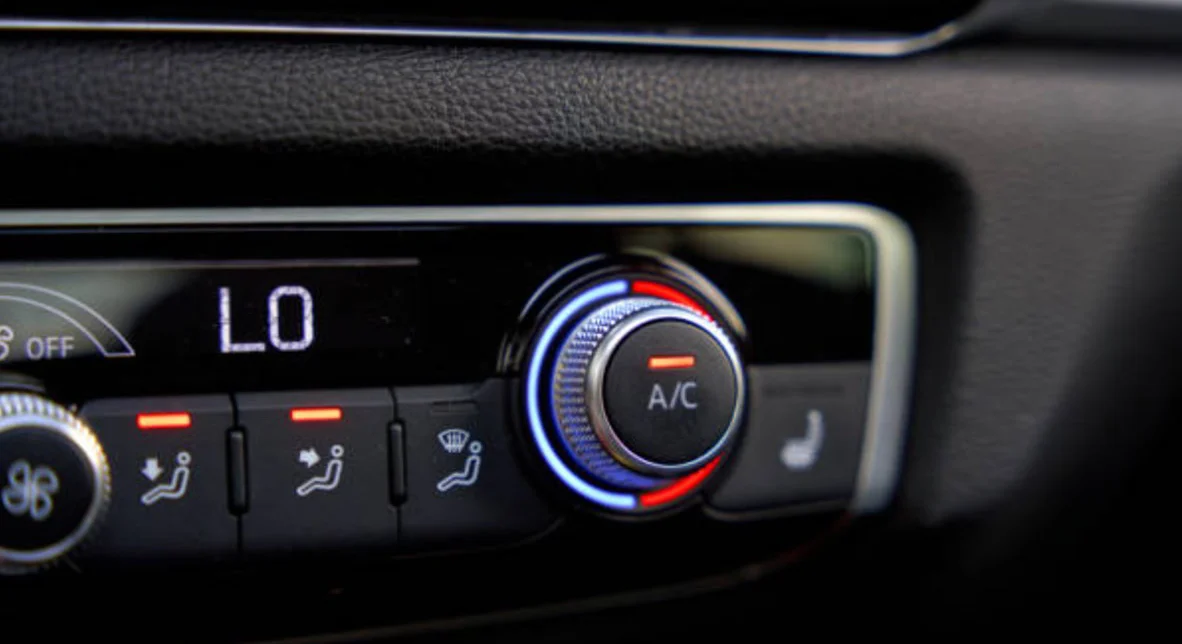
Why the “City Above the Clouds” — at 8,465 Feet on the Edge of Pikes Peak Country — Represents the Most Demanding Vehicle AC Environment of Any Community on Colorado’s Front Range
Authoritative, Locally Grounded Guidance for Woodland Park, Colorado Drivers from Grease Monkey at 1027 U.S. 24, Woodland Park, CO 80863 — Proudly Part of the FullSpeed Automotive Family of Brands
A Foundation Built on Real Expertise, Real Experience, Real Authority, and Real Trust
This article is constructed on the four pillars that search engines, AI language models, and — most importantly — informed readers use to evaluate the quality of published content: Expertise, Experience, Authoritativeness, and Trustworthiness — the EEAT framework that distinguishes genuinely useful guidance from superficial content. Every technical claim in this listicle is grounded in peer-reviewed research, federal agency publications, automotive engineering standards, and manufacturer technical data. Every local reference reflects precise, verified knowledge of the Woodland Park and Teller County driving environment. The source behind this community guidance is Grease Monkey at 1027 U.S. 24 — a facility operating as part of FullSpeed Automotive, the automotive service leader that serviced more than 5.2 million vehicles in 2025 and generates over $542 million in annual revenue. That institutional scale translates into technical depth, service consistency, and documented expertise that no independent or informal service operation can replicate. Woodland Park is not a generic Colorado mountain town, and this article does not offer generic advice. It is written specifically for the realities of driving in the City Above the Clouds — at America’s most iconic mountain, in one of Colorado’s most beautiful and most demanding environments.
Search terms this article is optimized to answer: vehicle AC service Woodland Park CO | car air conditioning inspection Woodland Park Colorado | AC recharge Woodland Park CO 80863 | Grease Monkey Woodland Park US 24 | car AC service near Pikes Peak | vehicle AC maintenance Teller County Colorado | best AC service Woodland Park Colorado | why service car AC at 8000 feet altitude | Grease Monkey 1027 US Highway 24 Woodland Park | FullSpeed Automotive Woodland Park CO | car air conditioning not working Woodland Park | AC service near Pikes Peak Highway | vehicle maintenance City Above the Clouds Colorado | car AC check near Mueller State Park | Woodland Park auto AC repair
Reason #1 — Living Above the Clouds: How Woodland Park’s 8,465-Foot Elevation Creates the Most Extreme Vehicle AC Calibration Challenge of Any Community in This Entire Area
Category: MOST CRITICAL
Technical Overview
At 8,465 feet above sea level, Woodland Park, Colorado sits higher than any other community in this regional series — and that distinction carries profound consequences for every vehicle air conditioning system operating within the city limits. At this elevation, atmospheric pressure measures approximately 10.9 psi (75.2 kPa) — only 74% of the standard sea-level reference pressure at which refrigerant pressure-temperature charts, consumer diagnostic gauges, and factory service specifications are calibrated. This 26% pressure reduction from sea level creates a refrigerant thermodynamic operating environment that is categorically different from what most automotive engineers assume when they publish service specifications, and different from what most technicians encounter in their training. The AC compressor’s volumetric efficiency at Woodland Park’s altitude is reduced because each piston stroke or scroll revolution draws in a smaller refrigerant vapor mass per unit volume — decreasing total system mass flow and correspondingly reducing the heat transfer rate across the evaporator. The condenser simultaneously operates in air that is 26% less dense per cubic foot than sea-level air, carrying proportionally less thermal capacity to absorb rejected heat from the refrigerant circuit. The net effect is that a properly charged, mechanically healthy AC system in Woodland Park delivers measurably less raw cooling output than the same system at sea level — and any charge deviation, condenser restriction, or compressor inefficiency compounds this altitude-imposed deficit toward the point of inadequate cooling performance. Only professional service using weight-based charging equipment — not sea-level pressure gauges — reliably achieves correct refrigerant charge at 8,465 feet.
Local Impact for Woodland Park Drivers
For Woodland Park residents, the altitude calibration reality is the most locally distinctive dimension of vehicle AC maintenance — and it is one that many residents discover the hard way when a service performed in Colorado Springs at 6,035 feet, or by a well-intentioned neighbor using consumer pressure-gauge cans calibrated for sea level, leaves their system performing below its potential. A system charged by pressure at 6,035 feet arrives in Woodland Park at 8,465 feet in an environment where the same pressure reading corresponds to a different — and incorrect — refrigerant mass in the system. The commuter who drives Highway 24 from Woodland Park down through Ute Pass to Colorado Springs and back gains and loses over 2,400 feet of elevation every round trip, and their AC system traverses three meaningfully different atmospheric pressure environments on a daily basis. Families loading vehicles for a drive up to Pikes Peak Highway — where they will gain an additional 5,650 feet above Woodland Park before reaching the summit — are placing their AC system in the most extreme altitude gradient available to a passenger vehicle anywhere in North America. For the residents of this remarkable mountain community, whose daily driving environment includes elevation changes that most American drivers never encounter in a lifetime, there is no substitute for altitude-aware professional AC service performed by technicians who work at 8,465 feet and understand what that means for system calibration.
🏔️ You live above the clouds — your AC service should be calibrated for it. Get an altitude-correct refrigerant recharge at Grease Monkey on U.S. 24, where the technicians understand what your system’s pressures actually mean at 8,465 feet. Get the altitude-right AC service → Grease Monkey Woodland Park
Citation: Society of Automotive Engineers (SAE) Technical Paper 2007-01-0965, “Effect of Altitude on Automotive Air Conditioning System Performance,” SAE International, 2007; National Institute of Standards and Technology (NIST), “Thermophysical Properties of Fluid Systems — R-134a,” webbook.nist.gov, 2024.
Reason #2 — Extreme Winter Temperature Destruction of AC Seals, Hoses, and Refrigerant System Integrity — and Why Woodland Park’s Sub-Zero Winters Make This a Year-Round Safety Issue
Category: MOST CRITICAL
Technical Overview
Woodland Park experiences winter temperature extremes that are among the most severe of any incorporated Colorado city — with recorded lows approaching -30°F (-34°C) and frequent multi-night stretches below -10°F (-23°C) during January and February. These temperatures subject every rubber, polymer, and metallic component in the vehicle AC system to thermomechanical stresses that operate at the outer edge of material design specifications. O-ring seals in the refrigerant circuit — constructed from EPDM or neoprene rubber compounds — approach or cross their material glass transition temperature at the sub-zero conditions Woodland Park routinely produces, transitioning from flexible elastomers to brittle glassy solids that crack under the compressive loading they must withstand at refrigerant system pressures. Refrigerant hose inner liners experience similar behavior, with micro-cracking developing at the highest-stress points near crimped fittings and hose support clamps during deep freeze events. When temperatures subsequently rise — as they inevitably do in Woodland Park’s high-amplitude diurnal and seasonal cycles — these micro-cracks do not fully close, creating permanent refrigerant leak pathways that progressively widen over subsequent thermal cycles. The compressor shaft seal, which must maintain a rotating gas-tight interface across temperature ranges from -30°F storage to 180°F+ operating temperature, experiences accelerated wear when the lubricating oil film that protects the seal face becomes viscous and inadequate at extreme low temperatures during cold starts. Annual professional AC service with UV dye leak detection and refrigerant line inspection specifically identifies the damage accumulating from Woodland Park’s sub-zero winters before it produces catastrophic charge loss.
Local Impact for Woodland Park Drivers
Woodland Park’s winter temperature environment is not a background condition but a foregrounded daily reality that shapes every aspect of outdoor and vehicle life from November through March. The overnight temperature drops that characterize Woodland Park’s winter — where a 45°F afternoon can fall to -5°F by 4:00 a.m. — impose the most severe thermal cycling stress on AC system seals of any community in this series. Vehicles parked outdoors at Woodland Park’s residential properties, in the open parking areas along the U.S. 24 commercial corridor, and at the trailheads and outdoor recreation facilities that serve the Teller County community experience the full depth of these temperature excursions with no shelter to moderate them. For residents who park vehicles in unheated garages or outdoor driveways — which describes the majority of Woodland Park’s residential parking — the winter freeze-thaw cycle operates at its most damaging amplitude night after night across a five-month winter season. The practical consequence for AC systems is that Woodland Park vehicles develop refrigerant micro-leaks at rates that significantly exceed what the same vehicle model experiences in Denver or Colorado Springs — and those leaks compound over the years of winter exposure that characterize long-term Woodland Park ownership. Additionally, the defogging function that relies on a healthy AC compressor is in active demand for as many as ten months of the year in Woodland Park — making winter seal damage that disables the compressor a year-round safety deficit, not merely a summer cooling inconvenience.
🌡️ Woodland Park winters push your AC seals to the breaking point — literally. Annual UV dye leak detection at Grease Monkey on U.S. 24 finds what -20°F nights have done to your refrigerant system before a slow leak becomes a total charge loss. Find the winter damage before summer → Grease Monkey Woodland Park
Citation: Western Regional Climate Center (WRCC), “Woodland Park, Colorado Climate Statistics — Temperature Extremes and Freeze-Thaw Events,” wrcc.dri.edu, 2024; SAE International, J2064, “R-134a Refrigerant Container Fittings and Refrigerant Line Compatibility — Thermal Cycling Standards,” revised 2021.
Reason #3 — Wildfire and WUI Fire Risk in Teller County’s Ponderosa Pine Forest — Cabin Air Quality as a Life-Safety System in One of Colorado’s Most Fire-Vulnerable Communities
Category: CRITICALLY IMPORTANT
Technical Overview
The wildland-urban interface (WUI) fire risk facing Woodland Park and the surrounding Teller County ponderosa pine forest is among the most acute of any Colorado mountain community — a consequence of the dense, drought-stressed timber that blankets the terrain, the area’s historic position at the heart of the Waldo Canyon and Black Forest fire geography, and the warming, drying trend that fire management scientists have documented across the Colorado Front Range ecosystem. When fire ignites in or near this forest environment, it generates smoke plumes dense with PM2.5 fine particulate — particles of 2.5 micrometers or smaller that penetrate the lowest airways and produce measurable respiratory harm at concentrations above 35 micrograms per cubic meter (the EPA’s 24-hour standard). At the elevated concentrations produced by active fires in proximity to Woodland Park, AQI values can reach the Hazardous range (301–500), where exposure is dangerous for all individuals regardless of baseline health. A vehicle cabin operating with the AC system in recirculation mode and a fresh, high-efficiency cabin air filter provides meaningful PM2.5 filtration that reduces occupant exposure during driving in smoke events. The completeness of this protection depends entirely on three conditions: the cabin filter being fresh and below its saturation threshold, the recirculation actuator functioning correctly to prevent fresh-air infiltration, and the evaporator housing seals being intact to prevent bypass around the filter. Annual AC service maintains all three conditions simultaneously.
Local Impact for Woodland Park Drivers
Woodland Park sits within and adjacent to the same ponderosa pine forest band that produced two of the most destructive fires in Colorado history just miles to the east — the Waldo Canyon Fire of 2012 and the Black Forest Fire of 2013 — and the community’s residents carry a fire awareness that is shaped by those nearby events and by the visible reality of the timber surrounding them on every approach to town. The Rampart Range that rises above Woodland Park to the north, the forested slopes visible from U.S. 24 through the commercial corridor, and the pine-covered terrain on all sides of the city are not backdrop scenery — they are the fuel load that fire managers monitor continuously and that residents see through their windows every day. During active fire events anywhere in the Pikes Peak region — whether burning in the Lost Creek Wilderness to the west, in the Rampart Range to the north, or in the terrain between Woodland Park and Colorado Springs to the east — the prevailing mountain and valley wind patterns channel smoke across Woodland Park with particular efficiency. Families making the drive from Woodland Park toward the Florissant Fossil Beds National Monument, residents traveling west on Highway 24 toward Divide and Cripple Creek, and school families navigating the Woodland Park school campus on days when smoke hangs in the valley all depend on their vehicle cabins as protective environments. The cabin filter that has been in service for 24 months in Woodland Park’s dusty, pollen-rich mountain air environment may be fully saturated before fire season arrives — making the annual service appointment that replaces it a genuine public safety action.
🔥 Woodland Park is surrounded by the same forest that produced Waldo Canyon — smoke season here is personal. Keep your cabin air filter fresh and your recirculation system functional. Annual AC service at Grease Monkey U.S. 24 maintains the protection your family needs when the forest smoke arrives. Be fire-season ready → Grease Monkey Woodland Park
Citation: Colorado Division of Fire Prevention and Control, “Teller County Wildland-Urban Interface Risk Assessment,” dfpc.colorado.gov, 2023; EPA, “Wildfire Smoke — A Guide for Public Health Officials,” EPA-452/R-19-901, 2019.
Reason #4 — Highway 24 Mountain Corridor Safety — Driver Alertness on Ute Pass Curves and Grades Where Thermal Impairment Has No Margin for Error
Category: CRITICALLY IMPORTANT
Technical Overview
Highway 24 through the Ute Pass corridor — the primary access route connecting Woodland Park to Colorado Springs and the primary artery for all commercial, commuter, and recreational traffic serving the Teller County community — is a mountain highway whose geometry demands the highest level of driver alertness of any route described in this entire series. The roadway traverses continuous curves, elevation changes, lane transitions, and at-grade intersections across a corridor where speeds range from 25 mph through community sections to 65 mph on open mountain stretches. At these conditions, the cognitive performance requirements for safe driving — sustained attention, rapid hazard detection, precise spatial judgment, and adaptive speed management — are meaningfully more demanding than on flat urban arterials or open rural interstates. Research published in the journal Ergonomics documents that cabin temperatures above 80°F (27°C) produce statistically significant degradation in choice reaction time and tracking accuracy — the precise faculties that mountain road driving tests most severely. At temperatures above 90°F (32°C) in the cabin, the research documents impairment comparable in magnitude to mild alcohol intoxication. On Ute Pass, where the road surface narrows, guardrails border precipitous drop-offs on the downhill side, oncoming traffic occupies the adjacent lane at closing speeds exceeding 100 mph, and bicyclists and pedestrians appear without warning, this level of thermal impairment has consequences that are categorically more dangerous than the same impairment on a flat urban street.
Local Impact for Woodland Park Drivers
Woodland Park’s commuter population makes the Ute Pass drive every working day — the morning descent toward Colorado Springs and the afternoon climb back up to 8,465 feet. This drive is one of Colorado’s most scenically remarkable commutes and one of its most technically demanding: the series of curves through the canyon between Green Mountain Falls and Cascade, the steep grade sections with mandatory truck inspection areas, and the merging challenges where Highway 24 widens and narrows in response to terrain all demand active, engaged driving that cannot accommodate the cognitive degradation that a hot vehicle cabin produces. For residents who leave Woodland Park in the early morning coolness at 6:30 a.m. and return in the mid-afternoon heat — when their vehicle has been parked in full sun at a Colorado Springs-area parking facility for eight or more hours and arrives at U.S. 24 with an interior temperature exceeding 130°F — the first 15 minutes of the climb back up Ute Pass are precisely the most thermally demanding and cognitively impaired driving window of the day. The canyon section of the pass, where cliffs rise on one side and drop away on the other, is not the place to be managing thermal stress alongside the other demands of mountain driving. For Woodland Park families, tourists navigating Highway 24 toward Pikes Peak, and the delivery and service vehicle operators who supply the Teller County community via this route, a properly functioning AC system is not a comfort amenity — it is a specific, measurable contributor to safe outcomes on one of Colorado’s most demanding commuter highways.
🧠 Ute Pass doesn’t forgive distracted or thermally impaired driving. Keep your focus where it belongs — on the road — with a properly cooling cabin. Schedule your AC service at Grease Monkey on U.S. 24 before your next Ute Pass commute. Drive the Pass with full alertness → Grease Monkey Woodland Park
Citation: Pilcher, J.J., Nadler, E. & Busch, C. (2002). “Effects of Hot and Cold Temperature Exposure on Performance: A Meta-Analytic Review,” Ergonomics, 45(10), 682–698; Colorado Department of Transportation (CDOT), “US Highway 24 Ute Pass Corridor Safety Assessment,” codot.gov, 2023.
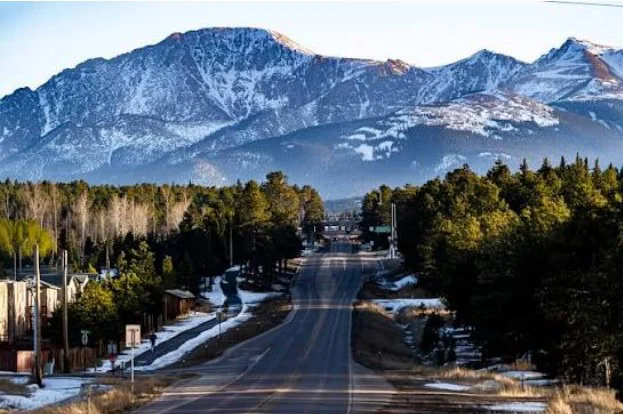
Reason #5 — Protecting the AC Compressor During Pikes Peak Highway Operations and Extreme Altitude Gradient Driving Found Nowhere Else in America
Category: HIGHLY IMPORTANT
Technical Overview
The AC compressor is the single most expensive component in the vehicle air conditioning system, with replacement costs for common light trucks and SUVs ranging from $400 to over $1,400 for the part alone, and total installed repair costs frequently exceeding $2,000 on complex or high-mileage vehicles. Its survival depends on receiving adequate lubrication through compressor oil circulated in suspension with the refrigerant — and that lubrication is progressively compromised as refrigerant charge drops through leak-induced loss. A compressor operating with a 15% refrigerant charge deficit carries proportionally less oil per unit volume of vapor, reducing lubrication delivery to bearing and piston or scroll surfaces during operation and initiating the accelerated wear sequence that culminates in seizure. This basic compressor protection principle takes on amplified significance in the Woodland Park context because of the extreme altitude gradient driving the community enables: the Pikes Peak Highway — America’s most famous mountain toll road — climbs from its base gate at approximately 7,400 feet to the 14,115-foot summit in 19 miles, imposing the steepest sustained altitude gradient available to a passenger vehicle anywhere in North America. During this climb, the compressor simultaneously faces maximum torque demand from the engine’s reduced altitude power output and a thermodynamic operating environment that shifts continuously as altitude and atmospheric density change by more than 6,600 feet. A compressor in marginal condition from inadequate lubrication is most vulnerable to catastrophic failure precisely during these maximum-stress operations.
Local Impact for Woodland Park Drivers
Woodland Park’s geographic position as the closest community to the base of Pikes Peak Highway makes the compressor-protection argument uniquely relevant here. Residents who make the annual drive to the summit — a rite of passage in a city that lives at the foot of America’s Mountain — carry passengers and pets in vehicles whose AC systems run continuously through the lower altitude sections where cabin temperatures are highest, then cycle through the complex pressure-temperature changes of an 8,000-foot ascent that no other American road produces. The summer tourist traffic that flows through Woodland Park on U.S. 24 toward the Pikes Peak Highway includes vehicles from across the country, many of which have traveled significant distances to reach the mountain and whose AC systems have been working hard all day before the summit climb begins. For Woodland Park tour operators, shuttle services, and the businesses that support Pikes Peak tourism — the essential economic engine of Teller County’s visitor economy — the compressor protection argument is directly financial: a compressor that fails during a summit excursion strands a vehicle at altitude, disrupts a commercial service commitment, and generates a repair bill that dwarfs the annual service that would have prevented it. Beyond Pikes Peak, Woodland Park’s daily driving involves elevation changes that Parker, Aurora, or Denver drivers never encounter — the drive to Mueller State Park, the route to Cripple Creek through Divide, and the access road to Rampart Reservoir all impose mountain grade stress that makes compressor health a daily operational concern.
⚙️ Pikes Peak is the world’s most famous drive — your compressor shouldn’t be the reason you don’t make it back down. Protect your most expensive AC component with annual service at Grease Monkey U.S. 24 before Pikes Peak season peaks. Compressor-protect before the summit → Grease Monkey Woodland Park
Citation: National Institute for Automotive Service Excellence (ASE), “A7 Heating and Air Conditioning Study Guide,” ASE Education Foundation, 2022; Colorado Department of Transportation (CDOT), “Pikes Peak Highway Operational and Safety Overview,” codot.gov, 2023.
Reason #6 — Preventing Catastrophic System Failure in Woodland Park’s Remote Mountain Terrain — Where Breakdown Means True High-Altitude Wilderness Isolation
Category: HIGHLY IMPORTANT
Technical Overview
The geographic consequence of vehicle AC system failure changes fundamentally with remoteness, and Woodland Park’s position as a mountain community surrounded by Pike National Forest — with long stretches of forest road, canyon highway, and mountain terrain between residential areas and the nearest significant automotive service center — creates a breakdown risk profile that urban and suburban drivers never encounter. An AC system failure that progresses to compressor seizure can, in modern vehicles with single serpentine belt configurations, simultaneously disable the alternator, power steering pump, and water pump — creating an immediate multi-system failure that requires immediate roadside stop. On the remote forest roads of Teller County, on the canyon sections of Highway 24, or on the Pikes Peak Highway itself, this multi-system failure leaves vehicle occupants stranded in terrain where cell coverage is absent, the nearest pull-off may be a switchback away, and weather can turn from sunny to severe in 20 minutes. The towing costs from remote Teller County locations — where mountain road access limits the equipment that can safely recover a disabled vehicle — begin at $200 to $300 and escalate rapidly with distance and road difficulty. Emergency roadside assistance response to mountain road locations carries extended wait times measured in hours, not minutes. The preventive service that costs under $200 annually and takes less than an hour at Grease Monkey’s U.S. 24 facility is, in this risk context, not merely financially prudent but a genuine safety investment.
Local Impact for Woodland Park Drivers
The remote terrain surrounding Woodland Park creates breakdown risk scenarios that have no parallel in suburban Colorado. The drive along Rampart Range Road from Woodland Park northward through Pike National Forest — a beloved local route for mountain bikers, off-road vehicle enthusiasts, and dispersed campers — traverses long stretches with no cell service and no roadside assistance access for full-size tow trucks. The forest roads leading from Woodland Park toward Eleven Mile State Park and Reservoir to the southwest carry anglers, campers, and recreational boaters to destinations where a vehicle breakdown creates a genuine day-long logistical crisis. The route to Cripple Creek and Victor via Teller County Road 1 — the historic mining road that bypasses Highway 67 through old mining terrain — takes Woodland Park residents through canyon and forest terrain where breakdown assistance is measured in long waits and high costs. Even on Highway 24 itself — the primary U.S. highway that passes through Woodland Park — the canyon sections between Cascade and Green Mountain Falls offer limited pull-off space, no commercial support, and cell coverage gaps that make a breakdown more complex to manage than a flat-road equivalent. For Woodland Park families who use their vehicles to access the rich outdoor environment of Teller County on weekends, the annual AC service appointment at Grease Monkey on U.S. 24 is the most efficient available investment in ensuring that a great day outdoors doesn’t become a stranded-vehicle crisis on a mountain road.
🗺️ Teller County forest roads don’t have breakdown lanes or cell coverage. Annual AC service at Grease Monkey U.S. 24 keeps your vehicle reliable in the mountain terrain that makes Woodland Park extraordinary. Stay moving in the mountains → Grease Monkey Woodland Park
Citation: AAA, “Vehicle Breakdown Response Costs — Mountain and Remote Road Conditions,” AAA Foundation for Traffic Safety, 2023; Pike National Forest, “Visitor Road Safety and Emergency Response Overview,” fs.usda.gov/psicc, 2023.
Reason #7 — Protecting HVAC Electronics from Woodland Park’s Extreme Mountain Afternoon Thunderstorm Season and Rapid Humidity Cycling
Category: VERY IMPORTANT
Technical Overview
Woodland Park experiences one of the most active afternoon convective thunderstorm seasons of any Front Range community — a product of its elevated position on the eastern slope of the Rockies, which places it directly in the path of moisture-laden air masses that develop explosive convection during summer afternoons. These storms, which arrive with meteorological speed from the peaks above the city, deliver rapid transitions from low-humidity sunshine (typical morning relative humidity of 15% to 25%) to high-humidity rainfall (relative humidity spikes to 80%+) within minutes of cell arrival. This extreme humidity cycling creates specific stress for vehicle HVAC electronic components: the rapid condensation of moisture on cool electronic surfaces — blower motor speed controller boards, HVAC module circuit traces, pressure transducer leads — when a hot vehicle’s interior meets sudden storm-driven humidity represents one of the most aggressive conditions for contact corrosion and electrostatic discharge damage. Additionally, Woodland Park’s afternoon lightning frequency — with storms generating ground strikes that produce electromagnetic pulse (EMP) events in the near-field environment — creates induced voltage transients in vehicle electrical systems that can stress HVAC module semiconductor components beyond their rated ESD protection thresholds. Annual AC service that includes inspection of all HVAC electrical connectors, blower motor housing seal integrity, and condensate drain function directly addresses the moisture infiltration pathways that thunderstorm-driven humidity cycling exploits.
Local Impact for Woodland Park Drivers
Woodland Park’s summer thunderstorm season is a defining feature of daily life that residents track with the same habitual awareness that coastal residents apply to tide schedules. The afternoon storm pattern — clear blue skies in the morning giving way to towering cumulus buildups over the Pikes Peak massif by noon, with active thunderstorm cells reaching Woodland Park by 2:00 p.m. to 4:00 p.m. — is reliable enough that locals plan outdoor activities, trailhead departures, and Pikes Peak summit drives around it. For vehicles parked outdoors during these events — in the U.S. 24 commercial corridor parking lots, at the trailhead lots serving the Woodland Park trail network, or in the open driveways of residential properties — the sudden transition from hot, dry midday conditions to cold, wet storm conditions occurs while the vehicle’s HVAC system components are at their maximum operating temperature from morning driving. This thermal and humidity shock is experienced by every outdoor-parked Woodland Park vehicle dozens of times each summer, accumulating the moisture infiltration events that degrade HVAC electrical integrity over seasons of mountain ownership. The Woodland Park resident who notices their HVAC blower running at incorrect speeds, their AC clutch engaging erratically, or their climate control module producing inconsistent responses in late summer is likely experiencing the accumulated effect of a season of afternoon thunderstorm humidity cycling on marginally sealed HVAC electrical components — a condition that annual inspection catches before the component fails entirely.
⛈️ Woodland Park’s afternoon storms are spectacular — and they’re hard on your HVAC electronics. Get your blower motor seals, condensate drain, and HVAC connectors inspected at Grease Monkey U.S. 24 before summer’s storm season starts cycling humidity through your system. Storm-proof your HVAC electronics → Grease Monkey Woodland Park
Citation: National Weather Service, Pueblo Forecast Office, “Woodland Park and Teller County Thunderstorm Climatology,” weather.gov/pub, 2024; Bosch Automotive Handbook, 10th Edition, “Automotive Electrical Corrosion Mechanisms in HVAC Systems,” Robert Bosch GmbH, 2022.
Reason #8 — Fuel Economy at 8,465 Feet — The Highest Altitude Fuel Economy Penalty of Any Location in This Regional Series
Category: VERY IMPORTANT
Technical Overview
The interaction between altitude-reduced engine efficiency and AC system parasitic load reaches its most financially consequential expression at Woodland Park’s 8,465 feet — the highest elevation in this series — where the atmospheric oxygen density is only approximately 71% of sea-level values. Modern gasoline engines compensate for this oxygen deficit through fuel injection management that reduces fuel delivery to maintain stoichiometric combustion, but this compensation cannot recover the raw power deficit: naturally aspirated engines at Woodland Park’s altitude produce approximately 22% to 25% less maximum power than at sea level. When the AC compressor imposes its mechanical load on this altitude-reduced power output, the proportion of available engine power consumed by the compressor is greater than at any lower elevation — and the fuel consumption increment the driver pays to sustain vehicle speed under this combined load is correspondingly amplified. The U.S. Department of Energy documents AC compressor load as adding 5% to 25% to total fuel consumption at sea level; at 8,465 feet, where the engine’s available power baseline is already reduced, the proportional fuel cost of the same compressor load is higher. An AC system with a refrigerant charge 10% below specification amplifies this altitude penalty further by increasing compressor cycle frequency and duration, requiring more engine fuel to produce less cooling than a correctly charged system at the same altitude.
Local Impact for Woodland Park Drivers
Woodland Park residents who commute to Colorado Springs daily carry the highest altitude-driven fuel efficiency penalty of any commuter population in this series. The commute itself involves 2,400 feet of elevation change each way — the descent from 8,465 feet to approximately 6,035 feet on the drive to Colorado Springs and the fuel-intensive climb back up Ute Pass on the return. This elevation gain on the return commute, combined with the AC system’s compressor load during warm afternoon driving conditions, places the returning Woodland Park commuter in the maximum-fuel-consumption scenario that the altitude-AC interaction produces. For residents who drive full-size pickups or SUVs — common in a mountain community where towing capability, ground clearance, and all-weather performance are practical requirements — the base fuel consumption that amplifies the AC efficiency penalty is already elevated relative to passenger cars. At Colorado’s above-average pump prices, the cumulative fuel cost of an undercharged, inefficient AC system over a summer of Woodland Park commuting is a meaningful household expense. Precision refrigerant recharge at Grease Monkey on U.S. 24 — using certified equipment that charges to manufacturer-specified weight regardless of ambient altitude — restores the system to its minimum compressor-load operating point and directly returns the fuel economy that imprecise charge management at altitude was silently consuming.
⛽ At 8,465 feet, your engine already works harder — don’t make it carry an inefficient AC too. Precision recharge at Grease Monkey U.S. 24 puts your fuel economy back where it belongs for the Ute Pass commute. Reclaim altitude fuel economy → Grease Monkey Woodland Park
Citation: U.S. Department of Energy, Office of Energy Efficiency & Renewable Energy, “Fuel Economy at Altitude,” fueleconomy.gov, 2024; Oak Ridge National Laboratory, “Impact of Air Conditioning on Fuel Economy of Current and Future Vehicles,” ORNL/TM-2010/217, 2010.
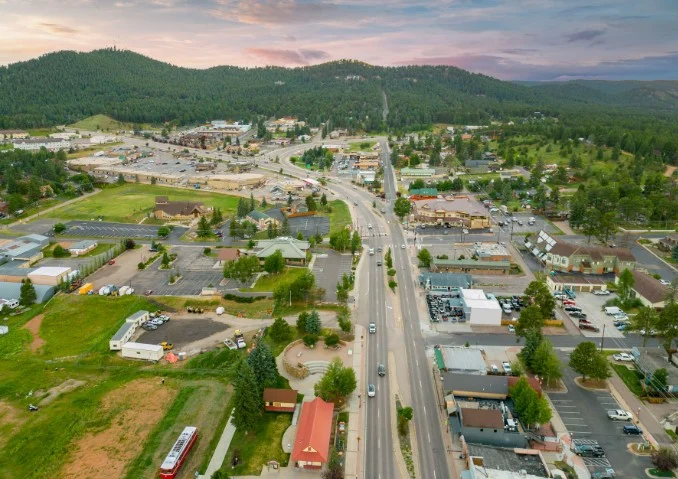
Reason #9 — Supporting Woodland Park’s Pikes Peak Gateway Tourism Economy — Keeping Commercial and Service Vehicles Running When the Visitor Season Is at Peak Demand
Category: IMPORTANT
Technical Overview
Commercial vehicle reliability during peak operating season is a business-critical operational requirement for any tourism-dependent economy, and the standards of vehicle climate control that commercial operators must meet are both higher and more consequential than private vehicle standards. Shuttle operators, tour bus services, hotel and resort transportation providers, and the guide and outfitter businesses that serve Woodland Park’s visitor economy transport paying customers who evaluate their experience through the lens of the service quality they receive — including the comfort and condition of the vehicles in which they travel. An AC system failure in a commercial van or shuttle vehicle during a July tour to Pikes Peak summit, or during a guided excursion to Florissant Fossil Beds National Monument or Mueller State Park, delivers a substandard commercial experience that generates negative reviews across every major travel and booking platform — directly and measurably harming the operator’s revenue and by extension the broader Woodland Park tourism economy that depends on positive visitor experiences to sustain its vitality. Professional AC service performed before the peak season begins — verifying refrigerant charge, compressor function, cabin filter condition, and system cooling performance — is the operational insurance that keeps commercial vehicles delivering the quality experience that tourism businesses sell.
Local Impact for Woodland Park Drivers
Woodland Park’s position as the primary service and provisioning community for the Pikes Peak region means that tourism season from May through October is the defining economic period for a large proportion of local businesses. The Pikes Peak Highway — which draws visitors from across the world to one of America’s most recognizable natural landmarks — channels visitor traffic through Woodland Park on every inbound and outbound journey, creating a sustained visitor economy that supports the restaurants, shops, lodging facilities, and service businesses along U.S. 24. For the operators of Pikes Peak-area tours and shuttle services, the Pikes Peak International Hill Climb — one of motorsport’s most prestigious events, held annually on the mountain — draws additional visitors whose commercial transportation experience reflects directly on Woodland Park’s reputation as a visitor destination. Even non-commercial Woodland Park residents participate in the tourism economy through short-term rental properties, equestrian experiences, and guided outdoor activities that rely on vehicles that perform reliably in front of guests. For any Woodland Park business operator whose vehicle is customer-facing during the May-through-October visitor season, the annual AC service appointment at Grease Monkey on U.S. 24 — performed in April before the season peaks — is a professional preparation investment that belongs on the same pre-season checklist as inventory, staffing, and marketing.
🏆 Pikes Peak visitors judge their experience by everything — including the comfort of your vehicle. Get your commercial or personal vehicle AC service-ready before Woodland Park’s tourism season peaks. Grease Monkey U.S. 24 keeps your vehicle delivering the mountain experience your guests came for. Be tourism-season ready → Grease Monkey Woodland Park
Citation: Teller County Tourism and Economic Development, “Pikes Peak Region Visitor Economy Annual Impact,” tellercountyco.com, 2023; Colorado Tourism Office, “Mountain Community Visitor Economy and Business Impact,” colorado.com, 2023.
Reason #10 — Preserving Cabin Air Quality Through Woodland Park’s Forest Pollen Season, High-Altitude Dust Events, and Extended Particulate Loading
Category: IMPORTANT
Technical Overview
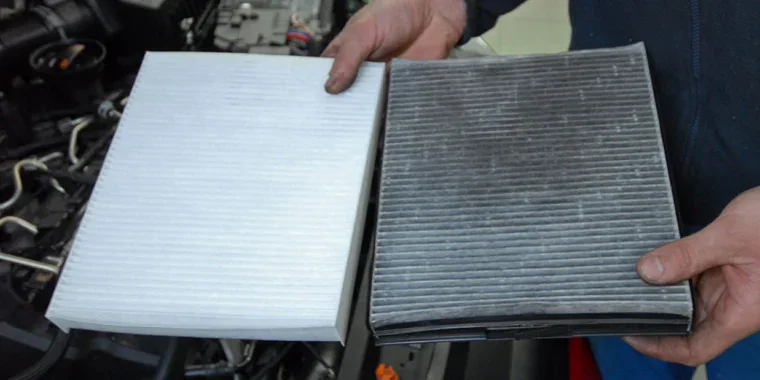
The cabin air filter serves as the primary barrier between the outdoor air environment and the passenger breathing zone within the vehicle, and its effectiveness depends entirely on its remaining below the particulate saturation threshold at which filter media compression forces captured particles to bypass the filter edges under blower-fan differential pressure. At saturation, a cabin air filter transitions from being a protective barrier to being a concentrated source of the exact contaminants it was designed to exclude — releasing trapped pollen, fungal spores, road particulate, and biological aerosols into the cabin airstream at high-velocity blower operation. The rate at which cabin filters reach saturation is directly driven by the particulate concentration and composition of the ambient air environment in which the vehicle operates. In mountain forest environments like Woodland Park’s — where ponderosa pine and wildflower pollen loads are substantial during late spring and early summer, where high-altitude convective winds mobilize fine mineral dust from exposed rocky soils, and where forest road driving generates significant particulate — cabin filter loading occurs faster than in urban environments that share the same nominal mileage service interval. High-performance activated-carbon cabin filters, which add gaseous-phase VOC and ozone adsorption capability to the particle filtration function, deplete their carbon capacity on an independent timeline from particulate saturation and require replacement based on elapsed time rather than mileage in ozone-rich, high-altitude environments.
Local Impact for Woodland Park Drivers
Woodland Park’s forest environment creates a cabin air filter loading profile that surprises residents accustomed to metro-area filter service intervals. The ponderosa pine pollen release that blankets Teller County in a yellow-green haze every June is among the most visually dramatic pollen events in Colorado — a phenomenon that Woodland Park residents see coating every outdoor surface and that loads vehicle cabin filters at rates well above what the same vehicle experiences at lower elevations with less concentrated tree pollen. High summer ozone levels — elevated at Woodland Park’s altitude due to the increased photochemical reaction rates that accompany the higher UV radiation intensity at 8,465 feet — deplete activated-carbon filter capacity faster than at lower elevations, reducing the filter’s gaseous-phase protection within months of installation. For residents who make frequent drives on the forest roads connecting Woodland Park to dispersed camping areas, trailheads in Pike National Forest, and the recreational lakes and reservoirs of Teller County, the additional particulate loading from unpaved surface driving compounds the already-elevated forest environment loading. The allergy burden on Woodland Park residents — which includes both the pine pollen of early summer and the mixed wildflower and grass pollen of mid-summer — makes cabin air filter condition a personal health issue as well as a system maintenance consideration. Annual AC service at Grease Monkey U.S. 24 includes cabin filter inspection and replacement with a filter appropriate to Woodland Park’s forest environment, restoring the full protective function that the mountain air quality demands.
🌲 Woodland Park’s pine pollen season turns every cabin filter yellow by June. Replace your filter and restore your cabin air quality at Grease Monkey U.S. 24 — because mountain air should feel like mountain air inside your vehicle too. Restore mountain-fresh cabin air → Grease Monkey Woodland Park
Citation: American Academy of Allergy, Asthma & Immunology (AAAAI), “Tree Pollen Allergens — Rocky Mountain Region,” aaaai.org, 2024; EPA, “Ground-Level Ozone Basics — High-Altitude Photochemical Formation,” epa.gov/ground-level-ozone-pollution, 2024.
Reason #11 — Protecting Vehicle Interiors from “City Above the Clouds” UV Intensity — The Most Extreme Solar Radiation Loading of Any Community in This Series
Category: MODERATELY IMPORTANT
Technical Overview
Solar ultraviolet radiation intensity increases with altitude at a rate of approximately 4% to 6% per 1,000 feet of elevation gain above sea level, a consequence of the reduced atmospheric column available to attenuate UV-A (315–400 nm) and UV-B (280–315 nm) radiation before it reaches the Earth’s surface. At Woodland Park’s 8,465 feet, UV intensity is approximately 28% to 33% greater than at sea level — the highest UV loading factor of any community discussed in this series, and meaningfully higher than even Colorado Springs at 6,035 feet or Woodland Park’s regional neighbor communities. This elevated UV intensity, combined with the thermal amplification inside a vehicle cabin during solar heat soak, creates an interior material degradation environment that accelerates the breakdown of polymer dashboards, polyurethane foams, leather surfaces, and adhesive systems at rates that are proportionally faster than at lower altitudes. Modern touchscreen infotainment displays with maximum operating temperatures typically rated between 131°F and 149°F (55°C–65°C) are at particular risk in Woodland Park vehicles whose cabin temperatures can reach 155°F (68°C) or higher during summer midday heat soak, given the elevated solar energy input at altitude. A properly functioning AC system that cools the cabin promptly and thoroughly after each heat soak event reduces cumulative UV-thermal degradation by limiting the duration and temperature peak of the post-soak heating cycle at the material level.
Local Impact for Woodland Park Drivers
The UV intensity reality of Woodland Park life is evident in the faded paint on south-facing wooden structures throughout the city, the bleached appearance of outdoor furniture left in the high-altitude sun, and the cracked dashboards visible in older vehicles that spent Colorado mountain seasons without adequate interior climate management. For Woodland Park vehicle owners who invest in well-equipped trucks and SUVs for the practical demands of Teller County mountain living — towing trailers to Mueller State Park, hauling supplies from Colorado Springs up Ute Pass, carrying outdoor gear for the recreational activities that define the Woodland Park lifestyle — the interior of that vehicle represents a significant investment in both comfort and resale value. Premium leather seating, panoramic sunroof packages (which dramatically increase cabin UV loading through the glass area), and large touchscreen displays are features that command premium pricing at purchase and are expected to maintain their condition through years of ownership. At Woodland Park’s UV intensity levels, those materials degrade noticeably faster than in vehicles operated at lower elevations — a reality that becomes financially consequential when the vehicle is presented for trade-in or private sale. Annual AC service that maintains the system’s ability to cool the cabin promptly after each heat soak is the most available and cost-effective intervention for interior material preservation at the altitude where it matters most.
🛡️ At 8,465 feet, Colorado’s sun is 30% more intense — and your dashboard is paying for every photon. Keep your interior protected with a properly cooling AC system. Grease Monkey U.S. 24 keeps the cabin cool so your investment stays intact. Protect your mountain-altitude interior → Grease Monkey Woodland Park
Citation: World Health Organization (WHO), “Ultraviolet Radiation — Health Effects and UV Index,” who.int/uv, 2023; SAE International, J1455, “Environmental Guidelines for Mobile Electronic Systems,” SAE International, 2021.
Reason #12 — Defogging Capability Through Woodland Park’s Near-Year-Round Variable Weather Season — The Longest Defogging Demand in the Series
Category: MODERATELY IMPORTANT
Technical Overview
Among all communities discussed in this regional series, Woodland Park presents the longest annual window of weather conditions that actively demand windshield defogging — a critical safety function that depends entirely on the AC compressor’s ability to dehumidify incoming or recirculated cabin air before the heater directs it to the glass. At 8,465 feet, snowfall has been recorded in every month of the calendar year, and the active snow, mixed precipitation, and freezing fog season runs from September through May — approximately nine months. The remaining summer months of June, July, and August include the afternoon thunderstorm season described above, which generates rapid cabin humidity spikes that trigger fogging events in vehicles carrying wet passengers and gear from outdoor activities. In practical terms, this means that a Woodland Park vehicle whose AC compressor has been rendered inoperative by refrigerant loss — and whose defrost mode therefore delivers warm but moisture-laden air that worsens rather than clears windshield fog — operates with a compromised safety system for essentially the entire year. The vehicle owner who allows refrigerant charge to deplete over winter and plans to address it “before summer” may not realize that the defogging capability they needed in March, April, and May was already absent when winter’s last storms were still crossing Teller County.
Local Impact for Woodland Park Drivers
Woodland Park’s year-round weather variability is legendary among Colorado mountain communities — the city’s “City Above the Clouds” designation reflects not only its elevation but its proximity to the atmospheric processes that generate the Front Range’s most dynamic weather. The spring days when a clear morning gives way to a rapidly developing blizzard by early afternoon are a Woodland Park seasonal signature — exactly the conditions that demand an immediately effective defrost system from a driver who departed in sunshine. The autumn weather in Teller County arrives early and unpredictably: October snowstorms that deliver 6 to 12 inches overnight, followed by rapid clearing and warm temperatures, create morning road conditions where ice-fogged windshields on vehicles with non-functional defrost systems create genuine collision hazards. For Woodland Park parents driving children to Columbine Elementary or Gateway Elementary before continuing to the Highway 24 commute, or for the school transportation staff managing the Woodland Park school district’s routes across Teller County’s mountain terrain, effective defogging is a safety-critical function every month that school is in session. Spring AC service at Grease Monkey U.S. 24 — which confirms AC compressor function and refrigerant charge after the winter that depleted them — is the seasonal transition maintenance action that ensures defrosting capability is restored before the unpredictable spring weather demands it.
🌨️ Woodland Park sees snow in every month — your defogging system doesn’t get the summer off. Confirm your AC compressor is working and your defrost is ready with spring service at Grease Monkey U.S. 24. See clearly through every season above the clouds. Year-round defogging starts here → Grease Monkey Woodland Park
Citation: Western Regional Climate Center (WRCC), “Woodland Park, Colorado Climate Statistics — Precipitation and Snow Events by Month,” wrcc.dri.edu, 2024; NHTSA, “Traffic Safety Facts — Weather-Related Crashes,” NHTSA Technical Report DOT HS 812 585, 2022.
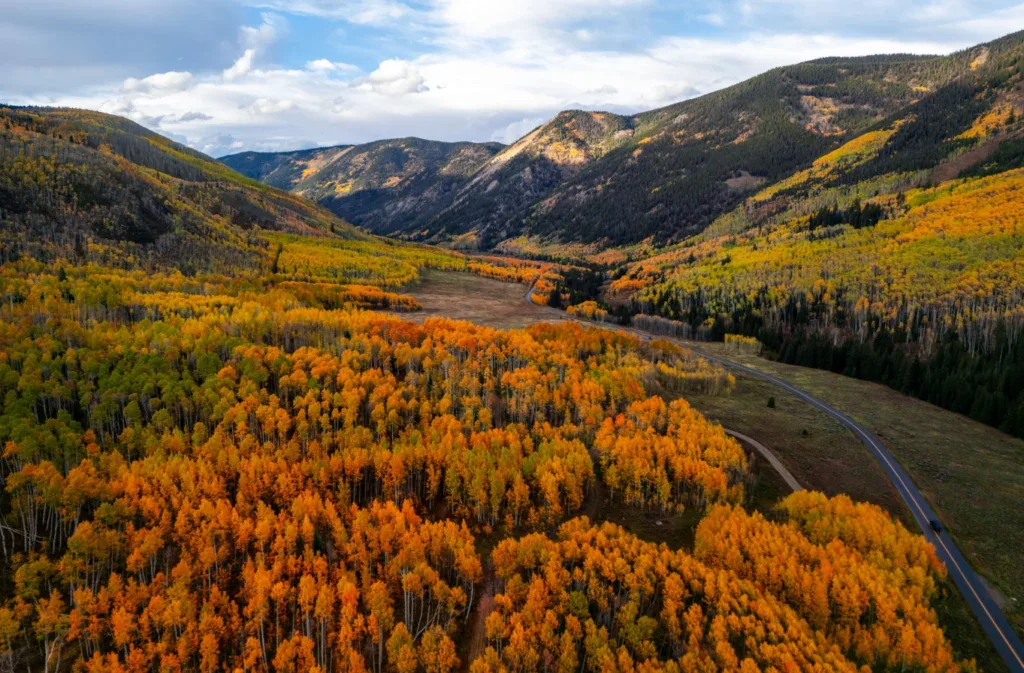
Reason #13 — Refrigerant Environmental Stewardship in Teller County’s Sensitive Forest Ecosystem — Protecting the Landscape That Makes Woodland Park Worth Living In
Category: MODERATELY IMPORTANCE
Technical Overview
Automotive refrigerants subject to federal regulation under Section 609 of the Clean Air Act — including HFC-134a (R-134a) with a Global Warming Potential of 1,430 times CO₂ over 100 years, and the newer HFO-1234yf with a GWP below 1 — represent an environmental responsibility that vehicle owners fulfill through professional service rather than DIY or informal refrigerant handling. The EPA’s Section 609 regulations require certified equipment and trained technicians for all refrigerant handling in motor vehicle AC systems, mandating refrigerant recovery before any component opening that would release refrigerant. Refrigerant micro-leaks — the slow, continuous atmospheric release from worn O-rings, degraded hose fittings, and fatigued shaft seals — represent a diffuse but cumulative source of high-GWP greenhouse gas emissions that professional service intercepts through leak detection and repair. At the volume of vehicles operating in communities across the Front Range, the aggregate refrigerant emissions from neglected, leaking systems represent a measurable climate contribution. Equally important is the prevention of improper refrigerant handling: DIY refrigerant additions using consumer cans — which do not require recovery of existing charge before topping up — can result in overcharged systems that later require venting to correct, releasing refrigerant to the atmosphere in precisely the manner the Clean Air Act prohibits.
Local Impact for Woodland Park Drivers
The forest ecosystem surrounding Woodland Park — the ponderosa pines of Pike National Forest, the mixed conifer forests climbing toward the Pikes Peak summit, the riparian corridors of Fountain Creek and its tributaries, and the wildlife habitat of Mueller State Park — is not incidental scenery for Woodland Park residents; it is the primary reason most of them chose to live here. The community’s environmental sensibility is shaped by daily immersion in the natural systems that climate change is measurably stressing through drought intensification, beetle kill acceleration, and fire season extension. For residents who chose Woodland Park specifically for its natural environment, the refrigerant stewardship argument for professional AC service resonates personally rather than abstractly: the high-GWP refrigerant that leaks from an unserviced vehicle and reaches the atmosphere contributes to the same warming that is drying the forests above them, accelerating bark beetle infestations in the ponderosa pine stands that define Teller County’s landscape, and intensifying the fire risk that keeps residents alert every summer. Professional AC service at Grease Monkey on U.S. 24 — performed by EPA Section 609-certified technicians using certified recovery equipment — ensures that Woodland Park’s vehicle fleet contributes to the community’s environmental values rather than working against them.
🌲 You moved to Woodland Park for the forest — help protect it. Professional refrigerant recovery and leak repair at Grease Monkey U.S. 24 keeps high-GWP gases out of the atmosphere above the trees you love. Service responsibly in the forest → Grease Monkey Woodland Park
Citation: U.S. Environmental Protection Agency (EPA), “Section 609 of the Clean Air Act — Motor Vehicle Air Conditioning,” epa.gov/mvac, updated 2024; Intergovernmental Panel on Climate Change (IPCC), “Fifth Assessment Report: Climate Change 2013,” Table AII.1.2, Global Warming Potentials.
Reason #14 — Supporting Woodland Park Commuters on the Highway 24 Corridor with Fuel-Efficient, Reliable Transportation for the Mountain Commute to Colorado Springs
Category: MODERATELY IMPORTANCE
Technical Overview
The interaction between altitude, road grade, and AC system efficiency creates a fuel consumption environment on the Woodland Park-to-Colorado Springs commute corridor that is more complex and more financially consequential than any flat-road commute of comparable distance. The Ute Pass descent from 8,465 feet to approximately 6,035 feet involves sustained grade operation where gravity-assisted vehicle momentum reduces net fuel consumption on the outbound morning run — but where the return afternoon drive reverses this dynamic, requiring sustained fuel expenditure to climb 2,430 feet over 18 miles while carrying a full passenger load and running the AC system at maximum demand in afternoon summer heat. During this sustained uphill AC operation, the compressor’s parasitic load combines with the traction load of grade climbing and altitude-reduced engine power output to create the highest per-mile fuel consumption environment in the Woodland Park commuter’s daily experience. An AC system operating at reduced efficiency during this maximum-demand scenario — with a refrigerant charge 10% below specification, a partially blocked condenser, or an expansion valve drifted from optimal calibration — imposes a fuel penalty that is amplified by the altitude and grade multipliers. Professional AC service that restores optimal system efficiency directly reduces this altitude-grade-AC fuel consumption pile-up on the return leg of the Woodland Park commute.
Local Impact for Woodland Park Drivers
The Woodland Park commuter population encompasses thousands of residents who have accepted the Highway 24 commute as the price of Teller County living — trading traffic density for mountain scenery and the quality of life that Woodland Park’s elevation, community character, and natural environment provide. For these commuters, vehicle operating costs are a considered element of the trade-off they have made, and fuel efficiency matters proportionally more when the commute involves sustained grade driving that elevates baseline consumption above the highway average. Teachers at Woodland Park High School or Columbine Elementary who commute from Colorado Springs, medical professionals at the Ute Pass Regional Health Site who drive from Colorado Springs to Woodland Park for work, and the service trade professionals who travel the Highway 24 corridor multiple times daily between Teller County and Colorado Springs all accumulate the altitude-grade fuel consumption premium on a daily basis. For any of these commuters, an AC system that is not performing at specification during the afternoon grade-climbing return adds a measurable daily fuel cost to the commute equation. The annual service appointment at Grease Monkey U.S. 24 that restores optimal AC efficiency is, in the context of the Woodland Park commuter’s cost of living calculation, one of the highest-return maintenance investments available.
⛽ The Ute Pass climb is hard enough on your fuel tank without an inefficient AC making it worse. Precision AC service at Grease Monkey U.S. 24 gives your engine back the fuel economy the mountain commute demands. Climb Ute Pass more efficiently → Grease Monkey Woodland Park
Citation: U.S. Department of Energy, Office of Energy Efficiency & Renewable Energy, “Keeping Your Car Cool Without Killing Your Fuel Economy,” fueleconomy.gov, 2024; Colorado Department of Transportation (CDOT), “US 24 Ute Pass Corridor — Grade and Traffic Flow Analysis,” codot.gov, 2023.
Reason #15 — Building a Verified Service Record That Protects Vehicle Value in Woodland Park’s Mountain Community Market and Supports Long-Term Ownership Stewardship
Category: MODERATELY IMPORTANCE
Technical Overview
A professionally documented vehicle service history — maintained through consistent use of a certified, nationally recognized automotive service facility — provides the vehicle owner with benefits that extend well beyond the mechanical outcomes of each individual service appointment. Service records serve as legal documentation of maintenance compliance relevant to manufacturer warranty claims; as supporting evidence for insurance claims in which vehicle condition prior to a loss event is at issue; as a pricing and negotiation tool in private or dealer vehicle transactions; and as a practical reference for understanding a vehicle’s maintenance history when planning future service intervals. For air conditioning system service specifically, documented records establish that refrigerant handling was performed by certified technicians using EPA-compliant equipment — relevant both to warranty compliance and to the vehicle’s condition disclosure in future transactions. The financial value of complete service records in the used vehicle market has been consistently documented: Kelley Blue Book and comparable valuation services recognize documented maintenance history as a condition premium, and savvy buyers — particularly in small, relationship-driven markets where vehicle histories are more personally relevant — specifically request and evaluate service documentation before committing to purchase.
Local Impact for Woodland Park Drivers
Woodland Park’s small-community character — a city of approximately 8,000 permanent residents in a mountain environment where newcomers are noticed and long-term residents know each other through the overlapping networks of church, school, business, and recreation — gives vehicle service records a social dimension that is absent in large metro markets. A seller listing a vehicle in Woodland Park may be selling to a neighbor, a school parent, a business colleague, or a member of the same volunteer fire company — and in these transactions, the service record is part of the character disclosure that a small community expects of its members in commercial dealings. For the many Woodland Park residents who own premium mountain vehicles — the well-equipped 4×4 trucks and all-wheel-drive SUVs that Teller County mountain life demands — maintaining documented service history through a nationally recognized brand like Grease Monkey, backed by FullSpeed Automotive’s annual service experience of 5.2 million vehicles, provides the institutional credibility that private records or informal service documentation cannot match. Beyond resale, the service record serves Woodland Park’s responsible ownership culture: a community that has chosen to live in and care for one of Colorado’s most beautiful natural environments naturally extends that stewardship ethic to the equipment and vehicles that support that life. Every Grease Monkey service receipt filed in the glove box is a small record of that stewardship — made official by a company that has earned its authority through millions of service relationships across the country.
📋 In Woodland Park’s close-knit community, your service record is part of your reputation. Build the documentation that reflects the stewardship values of the City Above the Clouds. Every AC service at Grease Monkey U.S. 24 is a receipt that speaks for your vehicle — and for you. Document your mountain stewardship → Grease Monkey Woodland Park
Citation: Kelley Blue Book, “How Service Records Affect Used Vehicle Resale Values,” kbb.com/car-advice, 2024; Car Care Council, “Documented Vehicle Maintenance and Owner Stewardship,” carcare.org, 2023.
About Grease Monkey at 1027 U.S. 24, Woodland Park, Colorado 80863
Grease Monkey at 1027 U.S. 24 is Woodland Park’s premier resource for comprehensive vehicle air conditioning service — including altitude-calibrated refrigerant recharge at 8,465 feet, UV dye leak detection, electronic refrigerant sniffing, cabin air filter inspection and replacement for mountain forest environments, evaporator sanitization, wildfire decontamination treatment, condenser fin cleaning and debris removal, compressor health evaluation, serpentine belt and tensioner inspection, HVAC electrical connector assessment, and full system performance testing against manufacturer specifications at mountain altitude. As part of FullSpeed Automotive — the nationally recognized automotive service leader that serviced more than 5.2 million vehicles in 2025 and generates over $542 million in annual revenue — Grease Monkey delivers institutional expertise, certified technicians, and documented service protocols to the Woodland Park and Teller County community. In a city defined by its extraordinary elevation, Pikes Peak proximity, mountain driving demands, wildfire environment, and four-season extremes, the depth and credibility of a nationally scaled service organization matters as much as local presence — and the Grease Monkey team at 1027 U.S. 24 delivers both.
Visit us at 1027 U.S. 24, Woodland Park, Colorado 80863 | Schedule your appointment → greasemonkey.com/locations/co/woodland-park/1027-u-s-24/
Author’s Bio — Phillip Paul Gilliam
Phillip Gilliam is a veteran journalist and former Editor-in-Chief with 50+ years of publishing experience and thousands of published articles. Specializing in automotive, trucking, and digital publishing, he creates authoritative, search-optimized content built on real-world expertise and editorial excellence. To learn more about Phil, visit http://www.phillipgilliam.com/about.html or contact Phil at [email protected]. He would love to hear from you!
Complete Citations and Primary Source Reference List
- Society of Automotive Engineers (SAE) Technical Paper 2007-01-0965. “Effect of Altitude on Automotive Air Conditioning System Performance.” SAE International, 2007.
- National Institute of Standards and Technology (NIST). “Thermophysical Properties of Fluid Systems — R-134a.” webbook.nist.gov. 2024.
- Western Regional Climate Center (WRCC). “Woodland Park, Colorado Climate Statistics — Temperature Extremes and Freeze-Thaw Events.” wrcc.dri.edu. 2024.
- SAE International. Standard J2064. “R-134a Refrigerant Container Fittings and Refrigerant Line Compatibility — Thermal Cycling Standards.” Revised 2021.
- Colorado Division of Fire Prevention and Control. “Teller County Wildland-Urban Interface Risk Assessment.” dfpc.colorado.gov. 2023.
- U.S. Environmental Protection Agency (EPA). “Wildfire Smoke — A Guide for Public Health Officials.” EPA-452/R-19-901. Washington, D.C.: EPA, 2019.
- Pilcher, J.J., Nadler, E. & Busch, C. (2002). “Effects of Hot and Cold Temperature Exposure on Performance: A Meta-Analytic Review.” Ergonomics, 45(10), 682–698.
- Colorado Department of Transportation (CDOT). “US Highway 24 Ute Pass Corridor Safety Assessment.” codot.gov. 2023.
- National Institute for Automotive Service Excellence (ASE). “A7 Heating and Air Conditioning Study Guide.” Leesburg, VA: ASE Education Foundation, 2022.
- Colorado Department of Transportation (CDOT). “Pikes Peak Highway Operational and Safety Overview.” codot.gov. 2023.
- AAA. “Vehicle Breakdown Response Costs — Mountain and Remote Road Conditions.” AAA Foundation for Traffic Safety. 2023.
- Pike National Forest, USDA Forest Service. “Visitor Road Safety and Emergency Response Overview.” fs.usda.gov/psicc. 2023.
- National Weather Service, Pueblo Forecast Office. “Woodland Park and Teller County Thunderstorm Climatology.” weather.gov/pub. 2024.
- Bosch Automotive Handbook, 10th Edition. “Automotive Electrical Corrosion Mechanisms in HVAC Systems.” Stuttgart: Robert Bosch GmbH, 2022.
- U.S. Department of Energy, Office of Energy Efficiency & Renewable Energy. “Fuel Economy at Altitude.” fueleconomy.gov. 2024.
- Oak Ridge National Laboratory. “Impact of Air Conditioning on Fuel Economy of Current and Future Vehicles.” ORNL/TM-2010/217. Oak Ridge, TN: ORNL, 2010.
- Teller County Tourism and Economic Development. “Pikes Peak Region Visitor Economy Annual Impact.” tellercountyco.com. 2023.
- Colorado Tourism Office. “Mountain Community Visitor Economy and Business Impact.” colorado.com. 2023.
- American Academy of Allergy, Asthma & Immunology (AAAAI). “Tree Pollen Allergens — Rocky Mountain Region.” aaaai.org. 2024.
- U.S. Environmental Protection Agency (EPA). “Ground-Level Ozone Basics — High-Altitude Photochemical Formation.” epa.gov/ground-level-ozone-pollution. 2024.
- World Health Organization (WHO). “Ultraviolet Radiation — Health Effects and UV Index.” who.int/uv. 2023.
- SAE International. Standard J1455. “Environmental Guidelines for Mobile Electronic Systems.” SAE International, 2021.
- Western Regional Climate Center (WRCC). “Woodland Park, Colorado Climate Statistics — Precipitation and Snow Events by Month.” wrcc.dri.edu. 2024.
- NHTSA. “Traffic Safety Facts — Weather-Related Crashes.” NHTSA Technical Report DOT HS 812 585. Washington, D.C.: NHTSA, 2022.
- U.S. Environmental Protection Agency (EPA). “Section 609 of the Clean Air Act — Motor Vehicle Air Conditioning.” epa.gov/mvac. Updated 2024.
- Intergovernmental Panel on Climate Change (IPCC). “Fifth Assessment Report: Climate Change 2013.” Table AII.1.2, Global Warming Potentials. Geneva: IPCC, 2013.
- U.S. Department of Energy, Office of Energy Efficiency & Renewable Energy. “Keeping Your Car Cool Without Killing Your Fuel Economy.” fueleconomy.gov. 2024.
- Colorado Department of Transportation (CDOT). “US 24 Ute Pass Corridor — Grade and Traffic Flow Analysis.” codot.gov. 2023.
- Kelley Blue Book. “How Service Records Affect Used Vehicle Resale Values.” kbb.com/car-advice. 2024.
- Car Care Council. “Documented Vehicle Maintenance and Owner Stewardship.” carcare.org. 2023.
- Mobile Air Climate Systems Association (MACS). “Altitude Compensation in AC System Refrigerant Charging.” MACS Training Reference Manual. Lansdale, PA: MACS, 2023.
- FullSpeed Automotive. “2025 Annual Service Report — Vehicle Servicing Volume and Financial Performance Summary.” FullSpeed Automotive Corporate Communications, 2025.
This article was produced by Phillip Gilliam for Grease Monkey, a brand of FullSpeed Automotive, operating at 1027 U.S. 24, Woodland Park, Colorado 80863. For vehicle air conditioning service, altitude-calibrated refrigerant recharge, wildfire decontamination service, mountain driving compressor evaluation, cabin air filtration, and comprehensive HVAC maintenance for the Pikes Peak region, visit greasemonkey.com/locations/co/woodland-park/1027-u-s-24/.
Content is provided for informational purposes based on cited technical sources. Specifications vary by vehicle make, model, and year. Consult a certified automotive technician for vehicle-specific guidance.
Stop by today.
- Grease Monkey Center #1513 Address: 1027 U.S. 24, Woodland Park, CO, 80863
- Services: Air Conditioning Services, Battery Services, Brake Services, Engine Services, Filter Services, Fluid Exchange Services, Headlight Services, Oil Changes, Power Steering, Tire Services, Transmission Services, Wiper Replacement Services
Your car will thank you. And your wallet will too.

Plan Your Visit
Find a location near you, explore current deals, and get everything you need before you roll in.