I make sure our shop lives by the E-E-A-T standards (Experience, Expertise, Authoritativeness, and Trustworthiness) required for top-tier service and search rankings in 2026:
- Experience: My crew has spent years working on vehicles that battle Colorado’s high-altitude terrain every single day.
- Expertise: We are masters of the full synthetic oil change in Woodland Park, Colorado, and the specialized needs of mountain-bound engines.
- Authoritativeness: As a Grease Monkey center, we follow official manufacturer guidelines to ensure your warranty stays valid and your engine stays strong.
- Trustworthiness: I, Noah, believe in complete transparency. We use digital tools to show you exactly what we see under your hood, so you can make informed decisions.
The Teller County Toll: How Local Conditions Threaten Your Car
In the mountains, we don't have "normal" driving conditions. We have "Severe Service" conditions. Here is why staying on top of your oil change today in Woodland Park, Colorado, is vital for your safety.
1. The Oxygen Gap
At 8,465 feet, there is less oxygen. This means your engine has to work harder and run hotter to produce the same power it would at sea level. This extra heat causes engine oil to break down much faster. If you wait too long between changes, that oil loses its ability to protect your moving parts.
2. The Highway 24 Climb
Whether you are heading up from Cascade or over from Divide, you are constantly putting your vehicle under a "load." Pulling those grades generates intense friction. For my neighbors driving heavy pickups, a truck oil change in Woodland Park, Colorado, is the most important thing you can do to prevent a multi-thousand-dollar engine failure on the side of the road.
3. Extreme Temperature Fluctuations
Woodland Park is famous for having some of the widest temperature swings in the state. Cold starts in the winter are brutal on an engine. I, Noah, always recommend a full synthetic oil change in Woodland Park, Colorado, because synthetic oil stays fluid at sub-zero temperatures, ensuring your engine is lubricated the moment you turn the key at 5:00 AM.
Comprehensive Mountain Maintenance Services
When you visit us for a walk in oil change in Woodland Park, Colorado, we treat your vehicle to a total health check. Here is a look at our core services and why they are essential for living "Above the Clouds."
We Track Oil Change Service History and Reminders
Life in the mountains is busy. Between hiking the Raspberry Mountain trail and heading down to the Springs for work, it’s easy to forget your mileage. I, Noah, ensure we keep a perfect record of your services. We’ll send you a reminder for your next near me oil change in Woodland Park, Colorado, so you never have to guess.
We Recycle Used Motor Oil Responsibly
Our local environment is our greatest treasure. We are close to the South Platte River and countless mountain streams. We recycle every drop of used oil responsibly to protect our local wildlife and water. When you search for change oil close to me in Woodland Park, Colorado, choose the shop that cares about Teller County’s beauty.
Free Engine Check Diagnostics with Every Oil Change
If a warning light pops up while you're driving near Memorial Park, don't panic. We provide a free scan to see what your car’s computer is reporting. Catching a sensor issue early can save you from a breakdown during a winter storm.
Air Filter Replacement
Mountain air can be surprisingly dusty in the summer and full of road salt "dust" in the winter. We check your engine air filter to keep your motor breathing easy. We also check your cabin air filter. This is the filter that keeps the air you breathe clean while you're stuck in traffic on Hwy 24.
Battery Inspection
Cold weather is a battery killer. There is nothing worse than being stuck in the grocery store parking lot because your battery died in the cold. We provide a free car battery check with every visit. We test the voltage and clean the terminals to make sure you have the "cranking power" you need.
Car Ignition Inspection
We inspect your ignition system to ensure reliable starts. In our climate, a weak ignition system leads to carbon buildup and poor fuel economy—two things you definitely don't want when gas prices are a concern.
Exhaust System Inspection
Road chemicals used to melt ice are very hard on metal. We inspect your exhaust system for rust or leaks. A quiet, sealed exhaust is better for your car’s performance and for the quiet mountain air we all love.
Fluid Checks and Top-Offs
During your full synthetic oil change in Woodland Park, Colorado, we check all your vital fluids. This includes transmission, power steering, and brake fluids. Most importantly, we check your antifreeze (coolant). In the mountains, your coolant needs to be at the right concentration to prevent your engine from freezing in the winter or boiling over on a summer climb.
Tire Services
Traction is your best friend on Hwy 24. We rotate your tires to ensure even wear, which extends their life and keeps you safer on snowy roads. We also check your tire pressure—did you know that for every 10-degree drop in temperature, your tires can lose 1 pound of pressure? I, Noah, make sure you leave our shop with the right "grip" for the road.
Fuel Filter Inspection
A clogged fuel filter can cause your engine to sputter right when you are trying to pass a slow-moving vehicle on a mountain grade. We check this to ensure a steady flow of power to your engine.
Idle Speed Adjustment
High altitude can sometimes mess with how a car "idles." If your car feels like it wants to stall at the light near the Cultural Center, we can check your idle speed to keep things running smoothly.
PCV Valve Inspection
This small valve helps your engine breathe and prevents oil leaks. We check it to ensure your engine stays clean on the inside.
Throttle Body Cleaning
Over time, dirt and carbon build up in your air intake. We can clean the throttle body to restore your car’s responsiveness. You’ll really feel the difference when you’re accelerating out of a curve!
Timing Belt or Chain Inspection
This is the most critical "hidden" part of your engine. If it breaks, the engine stops instantly and can cause thousands in damage. I, Noah, make sure we check the manufacturer’s schedule and the condition of the belt whenever possible.
Pressure-Test Cooling System
A tiny leak in a hose can turn into a major disaster when your engine is under the pressure of a mountain climb. We pressure-test the system to find weak spots before they leave you stranded.
Air Conditioning Inspection
Even in Woodland Park, it gets hot! We check your A/C system, including refrigerant levels and compressors. We want you to stay cool while you're driving through town on a bright July afternoon.
Specialized Services for the Mountain Lifestyle
Woodland Park is a community of hard-working trucks and high-performance machines. We are ready for all of them.
- Truck Oil Change in Woodland Park, Colorado: We know that a truck isn't just a vehicle; it’s a tool. We use heavy-duty filters and the high-capacity oil your pickup requires.
- Diesel Oil Change in Woodland Park, Colorado: Diesel engines are perfect for our mountain grades, but they need specialized care. I, Noah, ensure my team uses only the highest-grade diesel oils and filters.
- Walk In Oil Change in Woodland Park, Colorado: You don't need to spend your whole day waiting. We pride ourselves on speed. Most of our full-service changes are done in about 20 minutes, and we love walk-ins!
Save with Noah on Wister Drive (Hwy 24)
We know that keeping a vehicle maintained can be pricey. That’s why we always offer oil change coupons in Woodland Park, Colorado. Check our local Grease Monkey website or ask us when you pull in. We want to provide the best value in Teller County.
When you search for change oil close to me in Woodland Park, Colorado, or near me oil change in Woodland Park, Colorado, you are looking for a team that understands your life. I, Noah, am here to make sure your car is the last thing you have to worry about.
Visit Us Today!
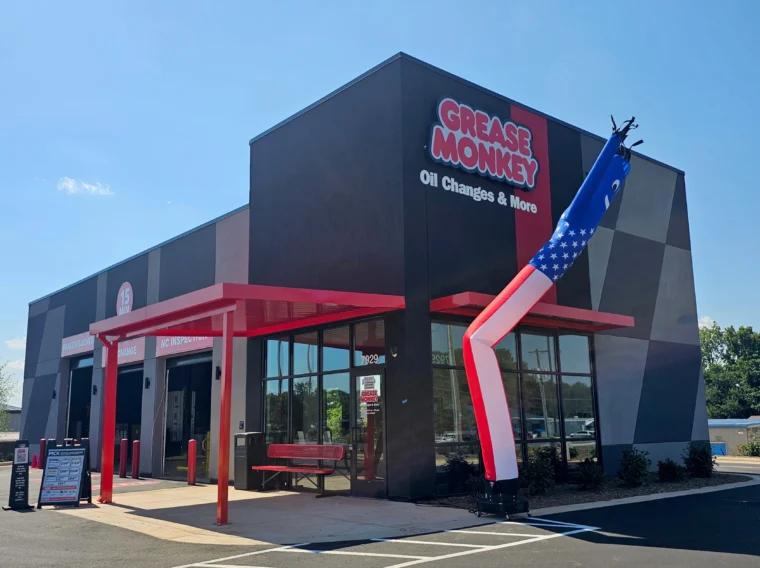
Stop by and see us at 1027 U.S. 24. We are easy to find, and we are always ready to help. Whether you need a change the oil near me in Woodland Park, Colorado, or just a quick tire pressure check, my team is at your service.
Let’s keep your vehicle running strong so you can enjoy everything our beautiful mountain home has to offer. See you soon!
— Noah Erickson, Manager, Grease Monkey Woodland Park
Grease Monkey Woodland Park 1027 U.S. 24 Woodland Park, CO 80863 Manager: Noah
Local Focus: 1027 U.S. 24, Woodland Park, Colorado, 80863
Strategy: High E-E-A-T content, optimized for search trends and local discovery.
Location: 1027 U.S. 24, Woodland Park, Colorado, 80863
Core Service: oil change in Woodland Park, Colorado
Specialty: diesel oil change in Woodland Park, Colorado, truck oil change in Woodland Park, Colorado
Convenience: walk in oil change in Woodland Park, Colorado, oil change today in Woodland Park, Colorado
Value: oil change coupons in Woodland Park, Colorado
Organization: Threshold Automotive dba Grease Monkey.
Services:
- Grease Monkey’s 16 point inspection in Woodland Park, Colorado
- Conventional Oil Change - DuraMax Conventional Oil in Woodland Park, Colorado
- Fully Synthetic Oil Change - DuraMax Synthetic Oil in Woodland Park, Colorado
- Advanced & European Synthetic - DuraMax Synthetic Oil in Woodland Park, Colorado
- Premium Synthetic Oil Change - Royal Purple Synthetic Oil in Woodland Park, Colorado
- Mid-Oil Change Complimentary Fluid Check and Vacuum in Woodland Park, Colorado
- Tune-Ups in Woodland Park, Colorado
- Wiper Blade Replacement in Woodland Park, Colorado
- Wheel Balancing in Woodland Park, Colorado
- Transfer Case Services in Woodland Park, Colorado
- Tire Services in Woodland Park, Colorado
- Serpentine Belt Replacement in Woodland Park, Colorado
- Radiator Services in Woodland Park, Colorado
- Radiator Fluid Exchange in Woodland Park, Colorado
- Pre-Purchase Inspection in Woodland Park, Colorado
Woodland Park, Colorado FAQ’s1. Automotive Cooling System Health
Question: "How does the 8,400-foot elevation in Woodland Park affect my truck’s radiator performance?"
Answer: The following are FAQs that impact radiator performance in Woodland Park
Does my car need special coolant because of the high altitude in Woodland Park?
Yes. At nearly 8,500 feet, the air is much thinner than in Colorado Springs. Thinner air doesn't carry heat away from your radiator as well. This makes your cooling system work much harder, especially when climbing the "Pass" on Highway 24. We recommend a cooling system pressure test every year to ensure your car can handle the thin mountain air.
Why is my car overheating while driving up Ute Pass toward Woodland Park?
Climbing several thousand feet in just a few miles puts a massive load on your engine. If your radiator is dirty or your coolant is old, your engine can't stay cool. If the needle starts to rise, turn off your A/C and turn on your heater. This helps "bleed off" engine heat until you can reach a safe pull-off spot.
What is the best antifreeze mix for Teller County’s sub-zero winters?
Woodland Park is significantly colder than the plains. While a 50/50 mix is standard, many mountain drivers prefer a 60/40 antifreeze-to-water ratio. This prevents your engine block from cracking during a "Polar Vortex" when temperatures can drop to -30°F. Never use pure antifreeze, as it won't move heat effectively in the summer.
Is a coolant flush necessary for local delivery fleets in the mountains?
Absolutely. For fleet owners in Woodland Park, we suggest a flush every 30,000 miles. High-altitude driving causes chemicals in the coolant to break down faster. Keeping the fluid fresh protects your water pump and prevents internal rust, which is vital for vehicles that work hard every day.
How do I check my radiator for "mountain debris" that causes overheating?
Living in a forested area means your radiator can get clogged with pine needles, dust, and insects. This blocks the airflow needed to cool your engine. Every few months, check the front of your car and gently spray out any debris with a garden hose. A clean radiator is the best defense against a breakdown on the highway.
2. High-Performance Automotive Lubrication
Question: "Best motor oil for cold-starting a vehicle in Woodland Park at -10 degrees."
Answer: The following are FAQs to address how to pick the best motor oil for Woodland Park.
Why is full synthetic oil a "must" for Woodland Park winters?
On a freezing morning in Teller County, regular oil becomes thick like syrup. It takes too long to reach the top of your engine, causing wear. Full synthetic oil stays liquid even at 40 degrees below zero. This ensures your engine is protected the very second you turn the key to head to work.
How often should I change my oil if I commute to Colorado Springs daily?
The commute down the pass is "severe driving." You are constantly using engine braking and dealing with extreme temperature changes. We recommend an oil change every 5,000 miles for commuters. Regular changes remove the carbon and moisture that build up faster in high-altitude engines.
Does the dry mountain air in Woodland Park affect my engine oil?
The air itself doesn't hurt the oil, but the dust does. Our windy mountain environment can send grit into your engine. If your air filter is dirty, this grit gets into your oil and acts like sandpaper on your engine parts. Changing your oil and air filter together is the best way to keep your truck running for 200,000 miles.
What does "0W-20" mean for a high-altitude winter start?
The "0W" stands for "0 Winter." This is the thinnest rating for cold starts. It flows instantly, even when it’s sub-zero outside. In Woodland Park, using the lowest "W" rating recommended by your car's maker is the best way to prevent engine damage during the long winter months.
Why should local fleet managers invest in high-performance gear oil?
Trucks in Woodland Park do a lot of heavy climbing and descending. This puts massive pressure on the gears in your axles. High-performance gear oil handles the heat and pressure much better than standard oil. This prevents "gear whine" and expensive axle repairs for your work vehicles.
3. Automotive Tire Reliability & Traction Laws
Question: "What are the Colorado Traction Law requirements for driving Highway 24 through Woodland Park?"
Answer: The following are FAQs describing the ways to comply with the Colorado Traction Law Requirements.
What tire tread depth do I need to be legal in a Woodland Park snowstorm?
Colorado law requires at least 3/16-inch of tread depth during "Tire Code" weather. A quick way to check is the "Quarter Test." Stick a quarter into the tread with Washington’s head facing down. If you can see the top of his head, you are not legal and could face a fine of over $600 if you block the road.
Do I really need winter tires if I have a 4WD SUV?
Yes. 4WD helps you "go," but it doesn't help you "stop" on an icy hill. All-season tires get hard when it is below 45°F. Winter tires are made of a special rubber that stays "sticky" on ice. For the steep driveways and hilly streets of Woodland Park, winter tires are the safest choice.
Why does my tire pressure light turn on every time a cold front hits?
Air shrinks in the cold. For every 10-degree drop, you lose about one pound of pressure. Because Woodland Park is so high and cold, you will see this light often in the winter. Keeping your tires at the right pressure helps you grip the road and saves you money on gas.
What is the "Three-Peak Mountain Snowflake" symbol on tires?
This icon means the tire has been tested for "severe snow service." In Woodland Park, you should always look for this symbol when buying new tires. It means the tire can handle the deep snow and ice we get during our famous "upslope" storms.
Should Woodland Park fleet owners use "All-Weather" tires?
"All-Weather" tires are a great choice for local businesses. They are tougher than all-seasons and are legal during Traction Law events, but they can be driven all year round. This saves the business the cost and hassle of swapping tires every spring and fall.
4. Automotive Brake Safety Check
Question: "How to prevent brake fade when driving down Ute Pass from Woodland Park."
Answer: The following are FAQs to ensure that your vehicle does not have brake fade in the Ute Pass or Woodland Park Colorado.
Why do my brakes smell like they are burning when I drive down to the Springs?
This is a sign of "brake fade." When you ride your brakes on a long downhill, they get extremely hot. This makes them less effective and can even cause them to fail. To prevent this, shift your car into a lower gear (L or 2) and let the engine help slow you down. This "engine braking" keeps your brakes cool and safe.
How does road salt in Teller County affect my braking system?
The magnesium chloride used to melt ice is very corrosive. It can get trapped in your brake parts and cause them to rust or "seize." If your car pulls to one side when you brake, a rusted part might be the cause. We recommend a car wash with an underbody spray after every snowstorm to rinse the salt away.
What are the signs that my brake pads are too thin for mountain driving?
Listen for a high-pitched squeak or a grinding sound. If you feel a vibration in your steering wheel when slowing down, your rotors might be warped from the heat of the pass. In a town with lots of wildlife, you need your brakes to work 100% of the time to avoid a collision.
Is it worth getting "Heavy-Duty" rotors for my mountain truck?
Yes. Heavy-duty rotors are designed to handle more heat without warping. If you commute daily on Highway 24 or tow a trailer, these rotors will last much longer and provide better stopping power than standard parts.
Why should fleet owners have their brake fluid tested every two years?
Brake fluid absorbs moisture from the air. In the mountains, this moisture can boil during a long descent, causing your brakes to suddenly fail. A simple fluid test ensures your fleet vehicles stay safe on the steep roads around Rampart Range.
5. Automotive Drive Belt & Hose Inspection
Question: "Why do rubber belts crack faster in the dry Woodland Park climate?"
Answer: The following FAQs address rubber belt failure in the Woodland Park harsh climate.
Why is the "dry air" in Woodland Park so hard on my car’s belts?
Our high-altitude air has very little moisture. This causes rubber belts and hoses to dry out, get stiff, and crack much faster than they would at sea level. A broken belt will leave you stranded without power steering or cooling, which is very dangerous on a winding mountain road.
What does a "chirping" sound from my engine mean on a cold morning?
A chirping or squealing sound usually means your serpentine belt is worn or loose. This is common in Woodland Park because the cold makes the rubber hard. If you hear this, have your belt checked. Replacing it is a cheap "fix" that prevents a major breakdown.
How do I check my car's hoses for "bulges" or leaks?
Wait for the engine to cool, then squeeze the main radiator hoses. They should be firm. If they feel mushy or have a "soft spot," the hose is about to burst. In our extreme cold, a burst hose will dump your coolant and overheat your engine in seconds.
Should I replace my water pump when I change my timing belt?
Yes. In many engines, the timing belt drives the water pump. Since the mechanic is already in there, it is much cheaper to replace both at once. In the mountains, we recommend doing this every 80,000 miles to prevent a catastrophic engine failure.
Why is preventative belt maintenance a "must" for local business fleets?
For a business in Woodland Park, a truck stuck on the side of the road is lost money. Replacing belts and hoses every 4-5 years is a small price to pay to ensure your drivers don't get stranded in the middle of a winter storm.
6. Automotive Battery Stress Test
Question: "How to keep a car battery from dying in -20 degree Woodland Park weather."
Answer: The following FAQs explain how to properly care for your car battery in the sub-zero temperatures of Woodland Park
Why did my battery die during the first "big freeze" of the year?
Cold weather makes the chemical reaction inside a battery move very slowly. At the same time, your engine's oil is thick and hard to push. A battery that worked fine in September might not have enough "punch" for a zero-degree morning. We suggest a "stress test" every October to see if your battery is ready for winter.
How long does a car battery typically last in the mountains?
Because of the extreme cold and the thin air, batteries in Woodland Park usually only last 3 to 4 years. The "swing" from a 70-degree day to a 10-degree night creates physical stress on the battery plates. If your battery is over 3 years old, it’s a good idea to replace it before winter starts.
What are the signs of a weak battery I should watch for?
If your engine "groans" or turns over slowly when you start it, your battery is struggling. You might also notice your dashboard lights flickering or your remote start not working. In modern cars, a weak battery can also cause the computer sensors to act "crazy."
Does the altitude in Woodland Park affect battery life?
Yes. Batteries can actually "outgas" or lose fluid faster at high altitudes. This can cause the internal parts to dry out and fail. Checking your battery terminals for white, crusty corrosion every few months can help you spot a problem before it leaves you stranded.
Why should I use an "Engine Block Heater" in Woodland Park?
A block heater is a small heater you plug into an outlet. it keeps your engine oil warm at night. This makes it much easier for the battery to start the car on a freezing morning. It also helps your heater get warm faster, which is a nice bonus on a cold commute!
7. Importance of Wiper Blade Replacement
Question: "Best wiper blades for clearing heavy mountain snow in Teller County."
Answer: The following FAQs provide answers to wiper blade problems in Teller County.
Why do my wiper blades "smear" water instead of clearing it?
The sun in Woodland Park is very intense. The UV rays "bake" the rubber on your wipers until they get hard and jagged. Once the rubber is hard, it can't hug the glass. We recommend new blades every 6 months to ensure you can see clearly during our heavy snowfalls.
What are "Beam" wiper blades and are they better for the mountains?
Yes. Standard wipers have metal frames that can get packed with ice and stop working. "Beam" blades are one solid piece of rubber. They don't have a frame to get iced up, which makes them much better for clearing heavy, wet "upslope" snow.
How often should I change my wipers if I live in the Shining Mountain area?
A good rule is to change them every spring and fall. Change them in the spring to handle rain and mud, and in the fall to prepare for ice and snow. Visibility is your #1 safety tool when driving on mountain roads.
Can I use my wipers to "scrape" ice off my windshield?
Never! The sharp edges of the ice will cut the rubber on your wipers instantly. This ruins the blade and can even scratch your glass. Always use a good ice scraper or wait for your defroster to melt the ice before turning on your wipers.
Why is clear vision a major safety issue for Woodland Park fleet owners?
In a mountain snowstorm, visibility can drop to zero in seconds. If your drivers have streaky wipers, they won't be able to see the road or other cars. High-quality wipers are a very cheap way to prevent a major accident for your business.
8. Automotive AC & Cabin Air Comfort
Question: "Why does my car's heater smell like dust and smoke in Woodland Park?"
Answer: The following FAQs will provide the way to eliminate car heater and AC odors in your vehicle in the Woodland Park environment.
What is a "Cabin Air Filter" and why do I need one in the mountains?
This filter cleans the air you breathe inside the car. In Woodland Park, we deal with a lot of dust from forest roads and smoke during wildfire season. A dirty filter blocks the air and can make your heater feel weak. It also traps allergens like pollen and pine dust.
How often should I change my cabin air filter?
We recommend changing it every 12,000 miles. However, if we have a smoky summer or if you drive on dirt roads like Rampart Range Road, you should change it even sooner. A fresh filter makes the air inside your car smell much better and keeps your defroster working at full strength.
Why is my heater not getting hot on a cold mountain morning?
This could be a sign of low coolant or a bad "heater core." In a place as cold as Woodland Park, a working heater is a safety requirement, not just a luxury. If your windows are fogging up and won't clear, your system isn't working right.
Can I use my AC to help clear my foggy windshield in the winter?
Yes! Most cars automatically turn on the AC when you use the "Defrost" setting. The AC removes moisture from the air, which clears the fog much faster. This is vital for seeing clearly during a sudden mountain snow squall.
Why should fleet managers care about "Cabin Comfort" for their drivers?
A driver who is shivering or can't see through a foggy window is a dangerous driver. Ensuring the heater and defrost systems are working perfectly in your fleet is essential for safety during the long Woodland Park winters (which can last until May!).