Top 15 Reasons to Have Your Vehicle's Brake System Serviced Regularly in Woodland Park, Colorado
An Authoritative Guide for Drivers in “The City Above the Clouds”
Grease Monkey 1027 US-24, Woodland Park, CO 80863 Has Over 155 Google Reviews With A 4.7 Star Rating
About This Article — EEAT Statement: This listicle is produced by a veteran automotive journalist with more than 50 years of publishing experience, drawing on peer-reviewed safety research, federal transportation data, and Colorado Department of Transportation records. It is further supported by the expertise of Grease Monkey, a flagship brand of FullSpeed Automotive — one of the nation’s largest franchisors of automotive aftermarket service centers, operating over 930 locations and servicing more than 5.2 million vehicles in 2025 with over $542 million in annual revenue. The Grease Monkey location at 1027 U.S. 24, Woodland Park, Colorado, 80863 employs ASE-certified technicians trained to meet the unique demands of high-altitude, mountain driving. This content is intended to help Woodland Park-area drivers make informed, safety-first decisions.
Introduction
If you live in or regularly travel through Woodland Park, Colorado — the self-proclaimed “City Above the Clouds” — your vehicle’s brakes work harder than almost anywhere else in the country. Situated at 8,465 feet above sea level in the heart of Teller County, surrounded by the million-acre Pike National Forest and anchored to Colorado Springs by the steep, winding corridors of Ute Pass on U.S. Highway 24, Woodland Park presents a perfect storm of braking demands: extreme elevation, dramatic temperature swings, 89 inches of average annual snowfall, steep descent grades, and year-round outdoor recreation traffic.
The stakes are high. According to the National Highway Traffic Safety Administration (NHTSA), approximately 22% of vehicle-defect-related crashes involve brake problems. [1] Yet brake systems are among the most overlooked components in routine vehicle care. This guide breaks down the Top 15 reasons — in descending order from the most critical to the most long-term — why regular brake service is not just smart, but essential for every driver in the Woodland Park area.
Each reason is grounded in technical research, locally contextualized for Woodland Park and Teller County, and paired with an actionable next step so you know exactly what to do — and where to go.
1. Preventing Brake Failure and Fatal Crashes
Category: Most Critical – How can I prevent brake failure in my car?
Brake failure is among the most dangerous mechanical events that can occur while driving. The brake system in a modern vehicle is a precision hydraulic network consisting of master cylinders, calipers, rotors, brake pads, brake lines, and electronic sensors that all must function in concert. When any single component fails — whether from worn pads, degraded fluid, a seized caliper, or a cracked rotor — the system’s ability to convert kinetic energy into heat through friction is compromised. In extreme cases, this leads to complete brake failure: a condition that removes the driver’s primary means of controlling the vehicle’s speed. NHTSA data from the National Motor Vehicle Crash Causation Survey (NMVCCS) found that approximately 22% of vehicle-defect-related crashes were attributable to defective brakes, affecting an estimated 10,000 light vehicles annually. [1] A separate study found that trucks with brake problems were 170% more likely to be coded as the critical reason for a crash. [2]
For drivers in Woodland Park, Colorado, the consequences of brake failure are amplified dramatically by local geography. U.S. Highway 24 — the primary artery connecting Woodland Park to Colorado Springs — descends through Ute Pass, a 7% grade canyon corridor with sharp curves and limited guardrail protection in key sections. [3] Families heading down the pass toward Colorado Springs for work, medical appointments, or shopping at the Garden of the Gods Road area; commuters navigating the narrow hairpins near Cascade; outdoor enthusiasts returning from Rampart Reservoir, Mueller State Park, or the Florissant Fossil Beds National Monument: all share this road, and all depend absolutely on functional brakes. A failure at altitude on a mountain grade is categorically more dangerous than the same failure on a flat urban street.
Your brakes are the single most important safety system on your vehicle — and they can fail without warning if neglected. Don’t leave your family’s safety to chance on Ute Pass, Gold Camp Road, or any of the winding mountain corridors around Woodland Park. Book a professional brake inspection today at your trusted local experts at Grease Monkey, 1027 U.S. 24, Woodland Park, CO — the ASE-certified team that mountain drivers count on. [Schedule your brake inspection now at https://www.greasemonkey.com/locations/co/woodland-park/1027-u-s-24/]
2. Safe Stopping Distances on Mountain Grades
Category: Most Critical – How many extra feet of stopping distance do I need when going down a mountain slope?
Stopping distance is determined by a combination of vehicle speed, brake system efficiency, road surface friction, and grade (slope). On a level, dry road, a vehicle traveling 60 mph with properly maintained brakes requires approximately 180 feet to stop. Add a 7% downhill grade — comparable to the eastern descent of Ute Pass — and that stopping distance increases significantly because gravity is now accelerating the vehicle while the brakes work to decelerate it. Worn brake pads with less than the recommended 3mm of friction material can extend stopping distances by 20 to 30% or more. [4] Grooved or warped rotors further reduce the pad’s contact surface, compounding this effect. On a mountain highway, an additional 50 feet of stopping distance is the difference between a safe stop and a catastrophic collision.
In Woodland Park, this is not a theoretical concern — it is a daily operational reality. The 7% grade on the eastern face of Ute Pass means that every commuter, delivery driver, school parent, or tourist returning from Pikes Peak or Cripple Creek is navigating a sustained downhill run where brakes are doing constant work. Local businesses that operate delivery routes — from the shops along West Hwy 24 Business Route through the Centennial School District’s bus corridors to the resort and rental operators servicing the Divide area — depend on vehicles with fully calibrated brake systems. The Pike National Forest access roads to Painted Rocks Campground, Rampart Range Road, and Eleven Mile Canyon Road add further gradients that demand peak braking performance.
Every foot of stopping distance matters when you’re navigating the mountain roads in and around Woodland Park. Worn pads and degraded rotors steal stopping power you can’t afford to lose on a mountain grade. Let the team at Grease Monkey on U.S. 24 measure your pad thickness, evaluate your rotor condition, and restore your stopping confidence. [Find out where your brakes stand — visit https://www.greasemonkey.com/locations/co/woodland-park/1027-u-s-24/ today.]
3. High-Altitude Brake Fade and Thermal Management
Category: Most Critical – How does oxygen help my brakes to work?
Brake fade is a dangerous reduction in braking effectiveness caused by overheating of brake components, and it occurs faster and more severely at high altitudes. At 8,465 feet above sea level, the atmosphere is significantly less dense than at sea level — meaning less oxygen is available to dissipate heat from brake rotors and pads. Heat is the enemy of braking performance. Brake fade comes in two primary forms: pad fade, where the friction material loses its grip under extreme heat, and fluid fade (also called vapor lock), where boiling brake fluid creates gas bubbles in the hydraulic lines that compress rather than transmit pressure. Fresh DOT 4 brake fluid has a dry boiling point of approximately 230°C, but with only 3% water contamination from normal hygroscopic absorption, that boiling point can drop to below 160°C — a threshold that is readily reached on a sustained mountain descent. [5] Degraded pads and heat-checked rotors accelerate this process further.
Woodland Park’s combination of altitude and terrain makes brake fade a genuine safety threat for residents. During peak summer season — when tourists stream through Woodland Park to access Pikes Peak Highway, Cripple Creek’s casinos and historic district, or the Colorado Wolf & Wildlife Center near Divide — U.S. 24 sees heavy traffic volumes with vehicles of every size and maintenance level navigating sustained descents. For Woodland Park residents making the run from town down to Colorado Springs’ Memorial Hospital for medical care, or transporting ATVs and horse trailers on Rampart Range Road for a weekend trip, the sustained braking demands of mountain driving can push a compromised system to its thermal limit. With less ambient air to cool rotors and pads between brake applications, overheated components in Woodland Park take longer to recover than they would at lower elevations.Don’t let altitude work against you. Brake fade at 8,000+ feet can happen silently — until it happens completely. The technicians at Grease Monkey on U.S. 24 in Woodland Park are trained for high-altitude driving conditions and can assess whether your brake fluid, pads, and rotors are up to the thermal demands of mountain driving. [Beat the altitude before it beats your brakes — visit https://www.greasemonkey.com/locations/co/woodland-park/1027-u-s-24/ and get a brake thermal assessment today.]
4. Winter Weather and Ice/Snow Braking Performance
Category: High Priority – How much more braking distance is required on snow and ice compared to a dry pavement?
Traction and braking are inseparable in winter driving conditions. On snow and ice, braking distance can increase by a factor of 3 to 10 times compared to dry pavement. [6] For a vehicle to maximize available traction during winter braking, every element of the brake system must function correctly — from the brake pads applying even, consistent pressure to both rotors, to the ABS system pulsing brake force at exactly the right frequency to prevent wheel lockup on slick surfaces. Worn brake pads generate uneven friction, potentially causing one wheel to lock before others — a scenario that causes the vehicle to yaw (spin out) on ice. Degraded brake fluid can cause a soft, spongy pedal feel that delays response time in an emergency stop. Even slightly grooved or heat-spotted rotors reduce the consistency of pad contact, undermining the precise modulation needed on a snow-packed mountain road.
Woodland Park’s winter is not a mild inconvenience — it is a defining feature of life in Teller County. With an average of 89 inches of annual snowfall [7] and temperatures regularly dropping to 14.5°F in December, the roads in and around Woodland Park are snow-packed and icy for months at a time. Snowstorms often arrive in October and persist through May, with April averaging 17.8 inches of snowfall. [7] Residents know that black ice on U.S. 24 near the Ute Pass corridor is invisible and deadly. Parents driving children to Woodland Park High School or Gateway Elementary, workers navigating toward the Teller County Regional Communications Center, and skiers heading toward Breckenridge or Monarch Mountain all face ice and snow on roads where brake failure has no forgiveness. The Colorado Department of Transportation (CDOT) reports that 22% of all crashes in Colorado occur in bad weather conditions including snow, ice, and freezing rain. [6]
Woodland Park winters demand more from your brakes than most vehicles are prepared to give. Before the first snow dusts Pikes Peak and coats U.S. 24 in ice, make sure your brake system is winter-ready. A pre-season brake inspection at Grease Monkey on U.S. 24 in Woodland Park gives you the peace of mind to handle whatever Teller County winter throws at you. [Don’t wait for the first snowfall — visit https://www.greasemonkey.com/locations/co/woodland-park/1027-u-s-24/ and schedule your winter brake check now.]
5. Early Detection of Worn Brake Pads and Rotors
Category: High Priority – When should brake pads be replaced?
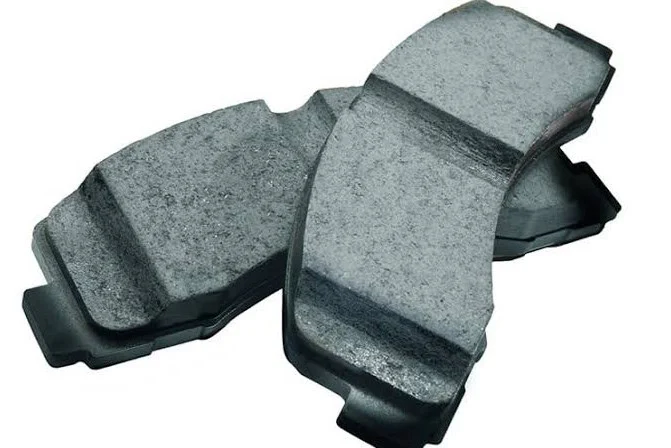
Brake pads are consumable components with a defined service life that varies widely based on driving conditions, pad material, and vehicle weight. New brake pads measure between 10 and 12 millimeters thick. Industry and manufacturer consensus recommends inspection when pads reach 4mm and replacement at or before 3mm. [4] Below this threshold, the friction material is insufficient to safely manage stopping loads, and metal-to-metal contact between the backing plate and rotor becomes increasingly likely. Rotor scoring from metal contact is irreversible without resurfacing or replacement, and grooved rotors can warp under repeated thermal cycling on descents. Many vehicles are equipped with wear indicators — small metal tabs that produce a high-pitched squeal when pads are approaching minimum thickness — but these indicators often give only days or weeks of warning before complete pad failure. Professional inspections at regular intervals (every 10,000 to 15,000 miles) catch wear before audible symptoms appear. [4]
In Woodland Park and the surrounding Teller County region, brake pad wear occurs faster than the national average. The combination of mountain grades, engine braking demands, frequent stop-and-go traffic along the U.S. 24 Business Route through downtown Woodland Park, and cold-weather braking all accelerate pad consumption. Residents who regularly make the descent into Colorado Springs for shopping at First and Main, medical visits to UCHealth Memorial, or entertainment at the Broadmoor area find their front pads bearing the brunt of repeated high-load downhill braking. Towing a boat to Eleven Mile Reservoir, pulling a horse trailer to the Teller County Fairgrounds, or hauling a loaded truck bed of firewood from the Pike National Forest areas all add weight-driven load that shortens pad life further. Waiting for the squeal is waiting too long when you live in a mountain community.
In Woodland Park’s mountain driving environment, your brake pads wear faster — and give you less warning. Regular professional inspections at Grease Monkey on U.S. 24 catch wear before it becomes a crisis. Their technicians measure pad thickness precisely and can replace pads and resurface rotors before costly damage compounds. [Don’t drive on worn pads in the mountains — visit https://www.greasemonkey.com/locations/co/woodland-park/1027-u-s-24/ and get your pads measured today.]
6. Brake Fluid Health and Hydraulic Integrity
Category: High Priority – How much does having a small amount of water contamination reduce the boiling point of my brake fluid?
Brake fluid is the hydraulic medium that transfers the mechanical force of your foot on the pedal to the calipers at each wheel. It must remain a liquid under all operating conditions — including the extreme heat generated during mountain descents. The core challenge is that all common brake fluid formulations (DOT 3, DOT 4, and DOT 5.1) are hygroscopic: they absorb water from the surrounding environment through microscopic permeation of rubber brake hoses and reservoir seals. Over time, water contamination is inevitable. Fresh DOT 4 fluid has a dry boiling point of approximately 230°C, but 3% water contamination can reduce that boiling point to below 160°C — well within the range achievable on a sustained mountain grade. [5] When fluid boils, it vaporizes into compressible gas bubbles within the hydraulic lines, producing a spongy or fading pedal — or no pedal at all. Most vehicle manufacturers recommend brake fluid replacement every two years regardless of mileage, because degradation is time- and moisture-driven, not mileage-driven. [5]
For Woodland Park drivers, humidity and temperature cycling create conditions that accelerate brake fluid contamination. Temperature swings from winter lows of 14.5°F to summer highs in the mid-70s cause the brake system’s rubber components to expand and contract, making microscopic moisture ingress more likely over time. Residents who use their vehicles year-round — which is virtually everyone in a community where a vehicle is essential — are accumulating this moisture exposure constantly. A contractor hauling tools to a job site off Rampart Range Road, a rancher trailering horses to the Teller County 4-H fairgrounds, or a retailer delivering supplies to the shops along West Colorado Avenue all depend on a brake system with fluid that can handle heat. Without regular fluid testing and replacement, they may not know their system is compromised until the pedal goes soft at exactly the wrong moment.
Brake fluid is the lifeblood of your brake system — and in the mountains of Teller County, it faces extraordinary demands. The Grease Monkey team on U.S. 24 in Woodland Park can test your brake fluid moisture content and perform a complete fluid flush to restore your hydraulic system’s full integrity and heat resistance. [Keep your brake fluid mountain-ready — visit https://www.greasemonkey.com/locations/co/woodland-park/1027-u-s-24/ and ask about a brake fluid test today.]
7. ABS and Electronic Safety System Integrity
Category: Important – How much can my vehicle’s anti-lock braking reduce certain car crashes if they are performing correctly
Anti-lock braking systems (ABS) represent one of the most significant advances in automotive safety in the last half-century. By modulating brake pressure at individual wheels — typically at a rate of 10 to 15 pulses per second — ABS prevents wheel lockup during emergency stops, allowing the driver to maintain steering control while braking at maximum force. Research shows that properly functioning ABS can reduce the risk of certain crash types by up to 25%. [8] However, ABS is not a standalone system — it integrates with wheel speed sensors, the hydraulic control unit, and the vehicle’s electronic stability control (ESC) and traction control systems. If the brake system is poorly maintained — with air in the lines, degraded fluid, or a malfunctioning caliper causing uneven pressure — the ABS control unit receives compromised inputs and cannot perform optimally. A neglected brake system undermines the entire electronic safety architecture of the vehicle.
In Woodland Park and Teller County, ABS earns its keep every winter. On the ice-coated curves of Ute Pass, on the gravel-edged switchbacks of Gold Camp Road, and on the sudden freeze-and-thaw cycles that create black ice on every shaded stretch of U.S. 24, ABS is the system standing between a controlled stop and a total loss of steering. Families heading to the Woodland Park Rec Center, students driving to Woodland Park High School, and outdoor enthusiasts heading to Horsethief Falls trailhead all rely on ABS-enabled emergency braking when a deer steps into the road or a patch of ice appears without warning. A properly maintained brake system ensures the ABS and ESC have the clean hydraulic signal they need to do their job. An unmaintained system may have a functioning ABS module but a compromised hydraulic foundation — making that ABS light on the dashboard a false promise.Your ABS is only as good as the brake system supporting it. Grease Monkey technicians on U.S. 24 in Woodland Park inspect not just pads and rotors but the entire brake system — including the hydraulic components your ABS depends on — to ensure that your electronic safety systems have the foundation they need. [Make sure your ABS can deliver when it counts — visit https://www.greasemonkey.com/locations/co/woodland-park/1027-u-s-24/ for a full-system brake inspection.]
In Woodland Park and Teller County, ABS earns its keep every winter. On the ice-coated curves of Ute Pass, on the gravel-edged switchbacks of Gold Camp Road, and on the sudden freeze-and-thaw cycles that create black ice on every shaded stretch of U.S. 24, ABS is the system standing between a controlled stop and a total loss of steering. Families heading to the Woodland Park Rec Center, students driving to Woodland Park High School, and outdoor enthusiasts heading to Horsethief Falls trailhead all rely on ABS-enabled emergency braking when a deer steps into the road or a patch of ice appears without warning. A properly maintained brake system ensures the ABS and ESC have the clean hydraulic signal they need to do their job. An unmaintained system may have a functioning ABS module but a compromised hydraulic foundation — making that ABS light on the dashboard a false promise.Your ABS is only as good as the brake system supporting it. Grease Monkey technicians on U.S. 24 in Woodland Park inspect not just pads and rotors but the entire brake system — including the hydraulic components your ABS depends on — to ensure that your electronic safety systems have the foundation they need. [Make sure your ABS can deliver when it counts — visit https://www.greasemonkey.com/locations/co/woodland-park/1027-u-s-24/ for a full-system brake inspection.]
8. Brake Caliper Function and Brake Balance
Category: Important – How do the brake calipers on my vehicle work?
Brake calipers are the hydraulically actuated clamps that squeeze brake pads against the spinning rotors to generate stopping friction. A caliper that sticks, seizes, or fails to retract fully after braking creates a condition called brake drag — where the pad maintains partial contact with the rotor even when the brake pedal is released. This creates three serious problems simultaneously: it generates continuous heat (accelerating pad and rotor wear), it pulls the vehicle to one side under braking (reducing driver control), and it robs fuel efficiency by forcing the engine to work against continuous resistance. Caliper pistons rely on clean, uncontaminated brake fluid and properly functioning rubber seals to move freely. As these seals age and fluid degrades, pistons can seize in the bore — often gradually enough that drivers don’t notice the handling change until brake balance has been significantly compromised. [9]
In Woodland Park’s environment of extreme temperature cycling, road salt application during winter, and high-mineral water that can contribute to corrosion, brake caliper degradation happens faster. A resident making the daily run down Ute Pass to Colorado Springs and back is working their front calipers heavily with every descent. A contractor or tradesperson whose work truck spends time on unpaved forest roads or ranch tracks near Divide or Florissant is exposing caliper hardware to grit and moisture that accelerates seal degradation. A vehicle pulling a boat or horse trailer to Eleven Mile Reservoir or the Teller County Fairgrounds is placing asymmetric load on calipers with every application. Brake drag in a mountain community isn’t just an inconvenience — on a sustained descent, a dragging caliper generates enough heat to cause rotor distortion or brake fade, turning a minor maintenance issue into an emergency.
A sticky caliper is a ticking clock — and on Woodland Park’s mountain roads, it can tick to zero very fast. The Grease Monkey team on U.S. 24 inspects caliper function as part of every complete brake service, identifying drag, uneven wear, and seal failure before they become hazards or expensive rotor replacements. [Stop the drag before it stops you — visit https://www.greasemonkey.com/locations/co/woodland-park/1027-u-s-24/ for a caliper inspection today.]
9. Emergency Braking Response and Reaction Time
Category: Important – How is emergency braking different from standard braking?
There is a critical distinction between a brake system that slows a vehicle and one that stops it in an emergency. Emergency braking — a full-force, maximum-deceleration stop in response to a sudden obstacle — places every component of the brake system under peak stress simultaneously. A vehicle with properly serviced brakes, fresh pads with full friction material, clean fluid with a high boiling point, and free-moving calipers generates maximum deceleration from the first millisecond of pedal application. A vehicle with degraded components loses critical stopping force in the first moments of an emergency application — precisely when it is most needed. Studies on brake system degradation show that pedal travel (the distance the pedal must travel before brake force is applied) increases measurably as fluid degrades and caliper seals wear. [5] In a 60 mph emergency stop, an additional 10 milliseconds of delayed response translates to roughly 9 additional feet of travel before braking force engages.
Wildlife is a constant presence on the roads of the Woodland Park area. Deer, elk, black bears, mountain lions, and smaller animals cross U.S. 24, Rampart Range Road, and the residential streets of Woodland Park’s subdivisions — often at dusk, dawn, or in darkness. The Colorado Wolf & Wildlife Center near Divide highlights just how vibrant the local wildlife population is. A driver coming over the rise on U.S. 24 near the Woodland Park Airport Road intersection and encountering a large elk in the road has a reaction window measured in fractions of a second. In that window, brake system performance is absolute — either the vehicle stops in time, or it doesn’t. Hikers crossing at the Centennial Trail access points, cyclists on the Ute Pass Trail, and pedestrians on the U.S. 24 Business Route through downtown Woodland Park all depend on passing drivers having brake systems that respond instantly at full capacity.
In the mountains around Woodland Park, emergencies happen fast — and your brakes need to respond faster. A degraded brake system steals the precious fractions of a second that can mean the difference between a close call and a collision. Trust the ASE-certified technicians at Grease Monkey on U.S. 24 to make sure your brake system is tuned for instant, full-force response. [Don’t leave emergency stopping to chance — visit https://www.greasemonkey.com/locations/co/woodland-park/1027-u-s-24/ and schedule a complete brake system evaluation today.]
10. Brake and Tire Wear Correlation
Category: Medium Priority – What do unevenly functioning brakes do to my tires?
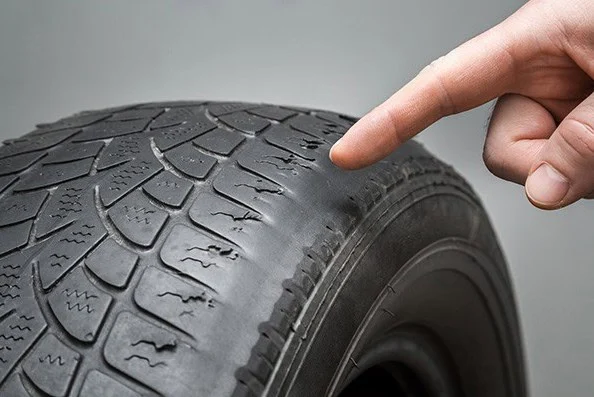
The relationship between brake health and tire health is closer than most drivers realize. Unevenly functioning brakes — whether caused by a dragging caliper, mismatched pad compound, or a warped rotor creating pulsing brake force — apply inconsistent friction to individual tires. This inconsistency causes uneven tire wear patterns: cupping, feathering, or flat spots that shorten tire life and degrade handling. Conversely, tires in poor condition — with low tread depth, uneven wear, or under-inflation — present less friction to the road, demanding more braking distance and more heat from the brake system to achieve the same stop. The two systems are mutually reinforcing: well-maintained brakes protect tires, and well-maintained tires reduce the demand on brakes. A comprehensive brake inspection routinely identifies tire issues as well, and many brake service intervals align with tire rotation intervals (every 5,000 to 7,500 miles), making combined service highly efficient. [4]
Woodland Park drivers face accelerated tire wear from the same mountain environment that stresses their brake systems. The rough asphalt of forest access roads, the frost heave-damaged pavement on secondary streets, and the abrasive road salt applied throughout winter all increase tire wear rates above urban norms. A vehicle whose front calipers are dragging slightly may be scrubbing tire rubber continuously — a cost that adds up quickly when quality mountain-rated tires run $150 to $300 per wheel. For residents who haul ATVs to the Rampart Range OHV area, pull trailers to Cripple Creek, or navigate the seasonal road conditions around Divide, maintaining the brake-tire interface is a matter of practical economy as well as safety. An undetected dragging caliper can render a brand-new set of tires uneven and unsafe within a single mountain driving season.
Your brakes and tires are partners in safety — neglect one and both suffer. Grease Monkey on U.S. 24 in Woodland Park evaluates your complete braking system during every brake service, helping you catch the caliper drag, rotor pulsing, and pad imbalance that quietly destroy your tires. [Protect your tires and your brakes at the same time — visit https://www.greasemonkey.com/locations/co/woodland-park/1027-u-s-24/ for a combined inspection.]
11. Cost Savings Through Proactive Maintenance
Category: Medium Priority – How much money do I really save through proactive maintenance of my vehicle’s braking system?
The economics of brake maintenance are straightforward: proactive service costs a fraction of reactive repair. A standard brake pad replacement — catching wear at 3mm before metal-on-metal contact — typically costs between $100 and $300 per axle. Allowing pads to wear completely through to the backing plate scores the rotor, requiring resurfacing (if the rotor is thick enough) or full replacement, which typically adds $200 to $500 per rotor to the bill. A seized caliper adds another $150 to $400 per caliper for replacement, plus labor. Brake fluid neglect that leads to vapor lock and line damage can require master cylinder replacement ($300 to $500) and hydraulic line repair. The cascade of damage from a single neglected component can turn a $200 brake service into a $1,500 to $2,000 repair. Automotive research consistently shows that documented, proactive maintenance — including brake service records — adds 10 to 20% to a vehicle’s resale or trade-in value. [10]
For the residents of Woodland Park and Teller County — a community where the median household income reflects the real cost of mountain living and where vehicle reliability is not optional — the financial case for proactive brake service is compelling. The cost of a tow truck from a breakdown point on Ute Pass to the nearest shop, plus emergency repair pricing, plus rental car costs while repairs are completed, routinely exceeds the annual cost of scheduled brake maintenance by a significant margin. Many Woodland Park residents own trucks, SUVs, and work vehicles with significant replacement value — a well-maintained F-250 or Ram 2500 used for ranch work, contracting, or towing commands a premium on the used market. Documented brake service at a reputable location like Grease Monkey on U.S. 24 provides verifiable evidence of that care, supporting a higher resale price when the time comes.
Proactive brake maintenance doesn’t cost money — it saves it, and saves your vehicle’s value. The team at Grease Monkey on U.S. 24 in Woodland Park provides honest, transparent brake service that catches small problems before they become large bills. [Invest a little now to save a lot later — visit https://www.greasemonkey.com/locations/co/woodland-park/1027-u-s-24/ and get a no-surprise brake assessment today.]
12. Vehicle Handling, Stability, and Driver Confidence
Category: Medium Priority – Can poorly functioning brakes really hurt my confidence and thus affect my actions when I am driving?
A vehicle’s brake system is intimately connected to its handling characteristics. Properly functioning brakes apply even, balanced force to all four wheels, allowing the vehicle to decelerate in a straight, controlled line. When one or more brake components degrades — a pulling caliper, a warped rotor causing pedal pulsation, or uneven pad wear — the vehicle’s braking behavior becomes unpredictable. Pedal pulsation (a rhythmic vibration through the brake pedal during stops) is a symptom of rotor runout or heat-induced thickness variation that signals inconsistent pad contact. Pulling to one side during braking indicates an imbalance in hydraulic pressure or pad friction between the left and right calipers. These symptoms do not just diminish stopping performance — they undermine the driver’s ability to modulate braking precisely in curves, on loose surfaces, or in traffic. Consistent, linear brake feel is a foundation of driver confidence and vehicle control. [9]
On the roads of Woodland Park and the surrounding Pike National Forest, driver confidence and precise vehicle control are not luxuries — they are necessities. Navigating the switchbacks of Gold Camp Road, merging onto U.S. 24 from the narrow side streets of Old Town Woodland Park, descending Rampart Range Road with a loaded truck or trailer, or threading through the tourist traffic near the Pikes Peak Highway entrance requires a driver who trusts their vehicle to respond predictably. A pedal that pulsates unpredictably, or a vehicle that pulls left under braking on a banked mountain curve, can cause an overcorrection that sends a vehicle into oncoming traffic or off the shoulder. Woodland Park residents who rely on their vehicles for everything — from the school run to the grocery trip to the weekend adventure — deserve a brake system they can trust completely.
In Woodland Park’s mountain environment, brake-induced handling problems aren’t just annoying — they’re dangerous. Restore your vehicle’s precise, confidence-inspiring brake feel with a rotor inspection and pad evaluation from the Grease Monkey team on U.S. 24. [Reclaim your vehicle’s mountain-road confidence — visit https://www.greasemonkey.com/locations/co/woodland-park/1027-u-s-24/ for a brake handling assessment today.]

13. Fuel Efficiency and the Hidden Cost of Brake Drag
Category: Lower Priority – How can problems with my braking system impact my fuel economy?
While brake drag rarely appears on a driver’s radar as a fuel economy issue, the physics are clear: a caliper or pad that fails to fully release after braking creates continuous rolling resistance against the spinning rotor. The engine must work harder — burning more fuel — to maintain normal speed against this constant drag. Automotive engineers and technicians consistently note measurable fuel economy penalties from dragging brake systems, with some real-world reports showing losses of 1 to 3 miles per gallon from a single dragging caliper. [9] For a driver covering 15,000 miles per year at an average fuel price of $3.50 per gallon, even a 1 mpg penalty represents roughly $180 in additional annual fuel costs — enough to pay for a full brake service. Beyond the direct fuel cost, brake drag generates sustained heat that accelerates pad, rotor, and caliper wear, compounding the financial cost of the underlying problem.
In Woodland Park, where elevation already demands more from engines — naturally aspirated engines lose approximately 3% of power for every 1,000 feet of altitude gain, meaning vehicles at 8,465 feet are operating at roughly 75% of their sea-level engine efficiency — adding the parasitic drag of a sticking brake caliper is a double penalty. [11] Residents who commute regularly to Colorado Springs (a 30-mile round trip) or to Cripple Creek (about 28 miles) are logging meaningful mileage on routes that include both sustained mountain grades and higher-altitude inefficiencies. For the contractors, delivery drivers, and small business owners operating out of Woodland Park — from the shops along East Hwy 24 to the service providers serving the broader Teller County area — every dollar saved in fuel goes to the bottom line. Catching a dragging caliper at a routine brake service appointment is one of the most overlooked ways to improve a working vehicle’s operating economy.A dragging brake caliper is a hole in your gas tank you can’t see. The brake inspection team at Grease Monkey on U.S. 24 in Woodland Park checks for caliper drag and brake resistance as part of every service — saving you money at the pump and protecting your brake hardware at the same time. [Stop burning money on brake drag — visit https://www.greasemonkey.com/locations/co/woodland-park/1027-u-s-24/ and let the pros check your calipers today.]
14. Environmental Responsibility: Brake Dust, Fluid, and Mountain Ecosystem Impact
Category: Lower Priority – How do failing brakes impact our environment?
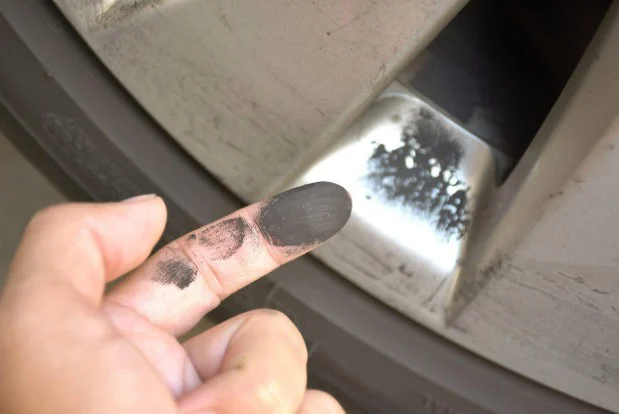
Vehicle brake systems generate two primary categories of environmental concern: brake dust and brake fluid contamination. Traditional metallic and semi-metallic brake pads release particulate copper dust as they wear — particles so small they become suspended in air and wash into waterways with rainfall. The State of California banned copper-containing brake pads above 0.5% copper by weight in 2021 for this reason, and environmental research from multiple states confirms that brake dust is a significant non-point source of heavy metal contamination in urban and near-urban watersheds. [12] Brake fluid, which is classified as a hazardous waste, can contaminate soil and groundwater if improperly handled — a concern most relevant when fluid changes are done at facilities without proper disposal protocols. Proper, certified brake service at a licensed facility ensures that old fluid and worn materials are disposed of according to environmental regulations.
Woodland Park sits at the headwaters of the South Platte River watershed and within the boundaries of the Pike National Forest — a million-acre ecosystem that supports one of Colorado’s most valued recreational fisheries, including the blue-ribbon trout waters of Eleven Mile Canyon and Rampart Reservoir. The mountain streams feeding into these waters — Fountain Creek, Trout Creek, and dozens of smaller tributaries — pass through areas directly adjacent to U.S. 24 and Woodland Park’s developed zones. The outdoor recreation economy of Teller County, which draws anglers, hikers, campers, and wildlife watchers from across Colorado and the nation, depends directly on the health of these waterways. Choosing brake service at a facility that uses environmentally responsible brake materials and follows certified fluid disposal protocols is a small but meaningful way for Woodland Park residents to protect the natural environment that defines their community.Your brake service choice is an environmental choice — and in the Pike National Forest watershed, it matters. Grease Monkey on U.S. 24 in Woodland Park uses quality brake materials and follows proper fluid disposal protocols, so your vehicle maintenance doesn’t come at the expense of the mountain ecosystem you live in. [Brake green in a green community — visit https://www.greasemonkey.com/locations/co/woodland-park/1027-u-s-24/ for responsible, environmentally aware brake service.]
15. Vehicle Resale Value, Service Records, and Long-Term Ownership ROI
Category: Long-Term Value – How much more money am I likely to receive when I sell my car if I have service records of my vehicle’s service?
The financial return on consistent brake maintenance extends beyond avoiding repair bills — it directly protects a vehicle’s resale or trade-in value. Research from Kelley Blue Book and automotive valuation sources consistently shows that vehicles with complete, verifiable service records command 10 to 20% more in private-party resale than comparable vehicles without documentation. [10] Brake service records are among the major service milestones that prospective buyers and dealership appraisers specifically look for, alongside oil change history, transmission service, and timing belt replacement. A used vehicle presented with a documented history of brake pad replacements, rotor inspections, and fluid changes at regular intervals demonstrates to a buyer that the previous owner cared for the vehicle’s primary safety system — reducing the buyer’s risk and increasing their willingness to pay a premium price. In a used vehicle market where a well-documented F-250 or 4Runner can command $3,000 to $5,000 more than a comparable undocumented example, service records represent a clear, measurable return on maintenance investment.
For Woodland Park and Teller County vehicle owners, where work trucks, SUVs, and all-wheel-drive vehicles represent significant capital investments — and where the demands of mountain living mean vehicles accumulate mileage and wear faster than in lower-altitude urban environments — protecting long-term resale value is a serious financial consideration. A Woodland Park resident who purchased a 2020 Ram 1500 for ranch work, outdoor recreation, and the daily Ute Pass commute has a vehicle that has earned its wear. Documented brake service at a recognized, established service center like Grease Monkey on U.S. 24 — a location backed by the national credibility of FullSpeed Automotive’s 930-plus location network — provides the kind of third-party verification that stands up at trade-in time. Every brake service receipt is an investment in the vehicle’s documented value.
Every brake service you document today adds dollars to your vehicle’s value tomorrow. Grease Monkey on U.S. 24 in Woodland Park provides the certified, professionally documented brake service that protects your vehicle’s long-term value — backed by the national reputation and ASE-certified standards of FullSpeed Automotive, the company that serviced over 5.2 million vehicles in 2025 alone. [Protect your investment from the ground up — visit https://www.greasemonkey.com/locations/co/woodland-park/1027-u-s-24/ and start building your vehicle’s service record today.]
About Grease Monkey — Woodland Park, Colorado
Grease Monkey | 1027 U.S. 24, Woodland Park, CO 80863 https://www.greasemonkey.com/locations/co/woodland-park/1027-u-s-24/
Grease Monkey Woodland Park is your local, trusted source for professional brake service, oil changes, tire rotations, and complete vehicle maintenance in the heart of Teller County. As a flagship brand of FullSpeed Automotive — one of the nation’s largest automotive aftermarket franchisors with over 930 locations nationwide and more than 5.2 million vehicles serviced in 2025 — Grease Monkey brings national-level expertise and ASE-certified technician standards to the Woodland Park community. Conveniently located on U.S. 24, the main corridor serving the “City Above the Clouds,” Grease Monkey is the mountain driver’s choice for brake systems that perform when it matters most.
Author Information
Author Bio – Phillip Paul Gilliam
Phillip Gilliam is a veteran journalist and former Editor-in-Chief with 50+ years of publishing experience and thousands of published articles. Specializing in automotive, trucking, and digital publishing, he creates authoritative, search-optimized content built on real-world expertise and editorial excellence. To learn more about Phil, visit http://www.phillipgilliam.com/about.html or contact Phil at [email protected]. He would love to hear from you!
Full Citation List
[1] National Highway Traffic Safety Administration (NHTSA). National Motor Vehicle Crash Causation Survey (NMVCCS). U.S. Department of Transportation. Washington, D.C. Available at: https://www.nhtsa.gov/data. (Brake defects attributed to approximately 22% of vehicle-defect-related crashes, affecting an estimated 10,000 light vehicles annually.)
[2] Federal Motor Carrier Safety Administration (FMCSA). Large Truck Crash Causation Study — Analysis Brief. U.S. Department of Transportation. Available at: https://www.fmcsa.dot.gov/safety/research-and-analysis/large-truck-crash-causation-study-analysis-brief. (Trucks with brake problems were 170% more likely to be the critical reason for a crash.)
[3] Uncover Colorado. Ute Pass — Manitou Springs–Divide, CO | Highway 24 West of Colorado Springs. Available at: https://www.uncovercolorado.com/activities/ute-pass/. (Ute Pass eastside grade approximately 7%; steep canyon corridor with curves.)
[4] NRS Brakes / R1 Concepts. How Often Should I Change Brake Pads? and Brake Inspection Checklist. Available at: https://nrsbrakes.com/blogs/blog/how-often-should-i-change-brake-pads and https://www.r1concepts.com/blog/brake-inspection-checklist-how-often-should-you-inspect-your-brakes-and-what-to-look-for/. (Inspection every 10,000–15,000 miles; replacement at or before 3mm; new pads 10–12mm thick.)
[5] FCP Euro / High Speed Magazine. Brake Fluid Academy and Brake Fluid Service: Is Changing It Every Two Years Necessary? Available at: https://www.fcpeuro.com/blog/brake-fluid-academy and https://www.highspeedmagazine.com/brake-fluid-service-is-changing-it-every-two-years-necessary/. (Fresh DOT 4 dry boiling point ~230°C; drops to below 160°C with 3% water contamination; replacement recommended every 2 years regardless of mileage.)
[6] Colorado Department of Transportation (CDOT). Winter Driving — Colorado Department of Transportation. Available at: https://www.codot.gov/travel/winter-driving. (22% of Colorado crashes occur in bad weather including snow, ice, and freezing rain.)
[7] Weather Spark / Best Places. Average Weather in Woodland Park, Colorado. Available at: https://weatherspark.com/y/3524/Average-Weather-in-Woodland-Park-Colorado-United-States-Year-Round and https://www.bestplaces.net/climate/city/colorado/woodland_park. (Woodland Park average annual snowfall: 89 inches; December average low: 14.5°F; April average snowfall: 17.8 inches.)
[8] European Road Safety Observatory / IIHS Research. Anti-Lock Braking Systems in Cars (ABS). Available at: https://road-safety.transport.ec.europa.eu/european-road-safety-observatory/statistics-and-analysis-archive/esafety/esafety-measures-known-safety-effects/anti-lock-braking-systems-cars-abs_en. (ABS associated with up to 25% reduction in certain crash types per IIHS meta-analysis.)
[9] NRS Brakes / Great Water 360 Auto Care. Stuck, Seized, or Leaking: A Complete Guide to Brake Caliper Issues and Brake Caliper Sticking: Causes, Signs, and Prevention. Available at: https://nrsbrakes.com/blogs/supporting-articles/stuck-seized-or-leaking-a-complete-guide-to-brake-caliper-issues and https://www.greatwater360autocare.com/news/brake-caliper-sticking-causes-signs-and-prevention. (Caliper drag: immediate consequences include warped/scored rotors, reduced fuel economy, directional pull.)
[10] Clement Pre-Owned / Use Tended. How Regular Car Maintenance Protects Resale Value and How Maintenance Records Increase Your Car’s Resale Value. Available at: https://clementpreowned.com/blog/how-regular-car-maintenance-protects-your-vehicle-s-resale-value and https://app.usetended.com/guides/maintenance-records-increase-resale-value. (Well-documented service history can add 10–20% to a used vehicle’s private-party sale price.)
[11] Engineering Toolbox / Automotive Reference. Engine Power Loss at Altitude. (Naturally aspirated engines lose approximately 3% power per 1,000 feet of altitude; at 8,465 feet, approximately 25% below sea-level output.) General automotive engineering reference; consistent with SAE technical documentation on altitude-related engine performance.
[12] California Air Resources Board (CARB). Brake Pad Copper Restriction — AB 2218 / SB 346. State of California. (Copper content restricted to below 0.5% by weight in brake friction materials due to waterway contamination; environmental research consensus on brake dust as non-point source heavy metal contamination.) Available at: https://ww2.arb.ca.gov/our-work/programs/brake-pad-partnership.
© 2026 Grease Monkey, Written by, Phillip Paul Gilliam. All rights reserved. Published in partnership with Grease Monkey Woodland Park, 1027 U.S. 24, Woodland Park, CO 80863. Content is for informational purposes and reflects current industry research and local geographic conditions. Brake service intervals may vary by vehicle make, model, and driving conditions. Consult a certified technician for vehicle-specific recommendations.
Stop by today.
- Grease Monkey Center #1513 Address: 1027 U.S. 24, Woodland Park, CO, 80863
- Services: Air Conditioning Services, Battery Services, Brake Services, Engine Services, Filter Services, Fluid Exchange Services, Headlight Services, Oil Changes, Power Steering, Tire Services, Transmission Services, Wiper Replacement Services
Your car will thank you. And your wallet will too.

Plan Your Visit
Find a location near you, explore current deals, and get everything you need before you roll in.