We focus on the E-E-A-T principles—Experience, Expertise, Authoritativeness, and Trustworthiness—because that is how we build lasting relationships with our neighbors.
- Experience: My crew understands the specific needs of Elbert County drivers. We know how the local dust and steep grades affect your engine.
- Expertise: From a diesel oil change in Elizabeth, Colorado to the most complex hybrid systems, we stay trained on the latest tech.
- Authoritativeness: We follow the strict maintenance schedules set by your car’s manufacturer.
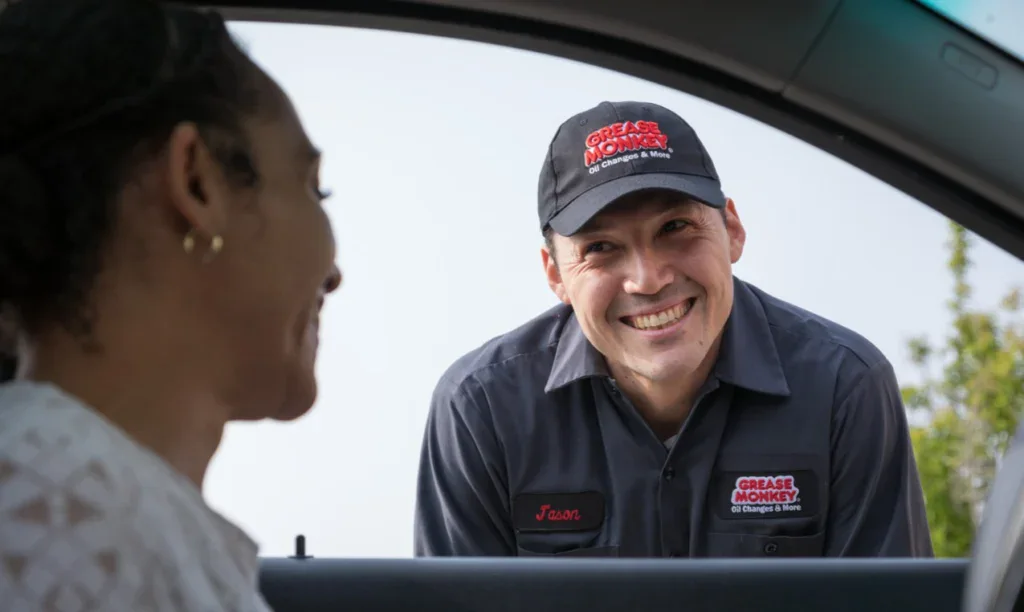
- Trustworthiness: I, Harrison, will always give you a straight answer. If something needs fixing, we’ll show you why. If it’s fine, we’ll tell you that, too.
The Elizabeth "Survival Guide" for Your Vehicle
Our local environment is beautiful, but it is notoriously hard on vehicles. We deal with "Extreme Conditions" daily, even if we don't realize it. Here is why staying on top of your oil change today in Elizabeth, Colorado, is a must.
The Dust Factor
Elizabeth and the surrounding areas like Kiowa and Elbert have a lot of dirt roads. When that famous Colorado wind picks up, or when you are following a tractor down a county road, your engine is "breathing" in massive amounts of dust. This grit gets trapped in your oil and air filters. If you don't change them, that dust acts like liquid sandpaper inside your engine.
Extreme Temperature Swings
We’ve all seen it: 60 degrees at noon and a blizzard by 5:00 PM. These temperature swings cause metal parts in your engine to expand and contract rapidly. This puts stress on seals and gaskets. High-quality oil, like what we use for a full synthetic oil change in Elizabeth, Colorado, is designed to handle these fluctuations better than cheap alternatives.
Heavy Towing and Hill Climbing
Many of our neighbors are pulling horse trailers or hauling hay. Even just driving up and down the elevation changes on the way to Parker puts extra heat into your transmission and engine. Fresh oil is the only thing standing between you and a very expensive repair bill.
Our Comprehensive Service: More Than Just a Quick Drain
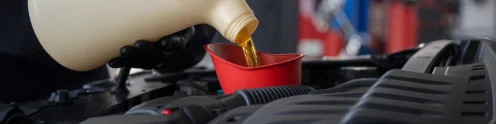
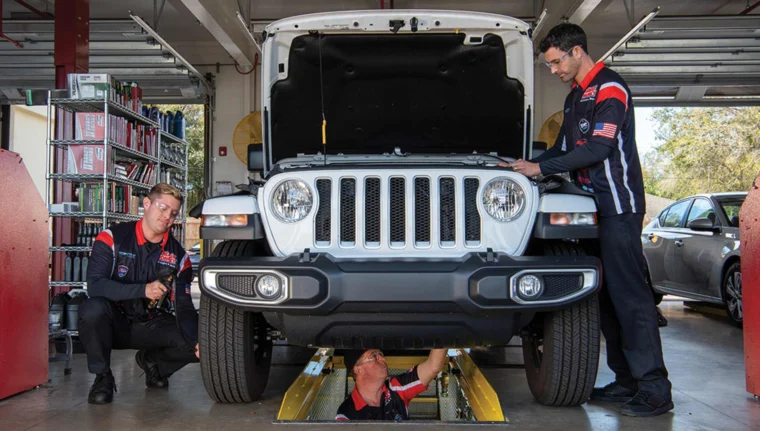
When you pull into our shop for a walk in oil change in Elizabeth, Colorado, you aren't just getting new oil. I, Harrison, have trained my team to perform a 16-point inspection every single time. Here is what we do and why it matters for our local climate:
We Track Oil Change Service History and Reminders
Life in the country is busy. Between the 4-H meetings and ranch chores, it’s easy to lose track of mileage. We keep a detailed digital history of your car. We’ll send you a friendly reminder when you’re due for your next near me oil change in Elizabeth, Colorado, so you can cross one more thing off your "to-do" list.
We Recycle Used Motor Oil Responsibly
We love our Colorado land. Protecting our soil and groundwater is vital. We ensure that every drop of used oil is collected and recycled through proper channels. When you choose us for your oil change close to me in Elizabeth, Colorado, you are choosing an environmentally responsible partner.
Free Engine Check Diagnostics with Every Oil Change
If that yellow "Check Engine" light comes on while you are driving past Casey Jones Park, don't ignore it. We offer free diagnostic scans. We’ll tell you what the computer is seeing so we can catch small issues before they turn into "stuck on the side of the road" issues.
Air Filter Replacement
As I mentioned, our area is dusty! We check both your engine air filter and your cabin air filter. A clean cabin filter means you aren't breathing in all that road dust and pollen while you drive. I, Harrison, always recommend checking these every time you come in for an oil change in Elizabeth, Colorado.
Battery Inspection
Cold winters are the #1 killer of batteries. We provide a free car battery check with every visit. We test the "cranking amps" to make sure your truck will start on those sub-zero January mornings. We also clean the terminals to prevent corrosion.
Car Ignition Inspection
We look at your ignition system to ensure your car is starting efficiently. A weak ignition can lead to poor gas mileage and carbon buildup in your engine.
Exhaust System Inspection
Colorado uses a lot of magnesium chloride on the roads to melt ice. This salt can be very corrosive to your exhaust system. We check for leaks or rust spots that could let carbon monoxide into your cabin.
Fluid Checks and Top-Offs
Your engine needs more than just oil. We check and top off your coolant, transmission fluid, power steering fluid, and brake fluid. We also make sure your windshield washer fluid is full—which is a lifesaver when the slush starts splashing on Highway 86!
Tire Services
Traction is everything when you are navigating icy hills. We rotate your tires to ensure they wear evenly. This extends the life of your tires and gives you better control in the snow. We also check your tire pressure to make sure you are getting the best possible fuel economy.
Fuel Filter Inspection
A dirty fuel filter makes your fuel pump work harder and can cause your engine to sputter under load. We check this to make sure your engine gets a steady, clean stream of fuel.
Idle Speed Adjustment
If your car feels "rough" at stoplights, it might need a quick adjustment. We ensure your car idles at the manufacturer’s spec for smooth operation.
PCV Valve Inspection
The Positive Crankcase Ventilation valve is key for emissions and engine health. If it’s clogged, it can cause oil leaks and high pressure inside your engine. We make sure it’s breathing right.
Throttle Body Cleaning
Over time, "gunk" builds up in your air intake. We can clean your throttle body to restore that "snappy" feeling when you step on the gas pedal.
Timing Belt or Chain Inspection
This is a critical "preventative" check. If a timing belt breaks, it can destroy your entire engine. I, Harrison, make sure we check your mileage against the factory recommendations to keep you safe.
Pressure-Test Cooling System
Overheating is a major risk in the summer. We pressure-test your radiator, hoses, and water pump to find tiny leaks before they become geysers. We want you to be able to drive up to the mountains without worrying about your temp gauge.
Air Conditioning Inspection
When it’s 90 degrees in July, you need your A/C to work. We check refrigerant levels, compressors, and belts. Whether you need a simple "recharge" or a part replacement, we can get it done quickly so you can stay cool.
Specialized Care for the Big Rigs: Truck and Diesel Services
Elizabeth is "Truck Country." Whether you are driving a heavy-duty dually for work or a mid-size pickup for weekend fun, we have the specialized filters and high-capacity oil your vehicle needs.
- Truck Oil Change in Elizabeth, Colorado: We know trucks have different needs than small sedans. We use heavy-duty components that can stand up to the work you do.
- Diesel Oil Change in Elizabeth, Colorado: Diesel engines require specific oil formulations to handle the higher heat and soot levels. I, Harrison, ensure my team uses only the best diesel-grade oils to protect your investment.
No Appointment? No Problem!
We know that life doesn't always go according to plan. You might have a sudden gap in your schedule and want an oil change today in Elizabeth, Colorado. That is why we love walk-ins! You can pull right into our bays on Kiowa Avenue, and we will get to work. Most of our full-service oil changes take about 20 minutes.
If you are a planner, you can also set an oil change appointment in Elizabeth, Colorado, through our website. We want to make maintenance fit into your life, not the other way around.
Saving You Money: Coupons and Value
We know that every dollar counts. That is why we frequently offer oil change coupons in Elizabeth, Colorado. Check our local Grease Monkey website or our social media pages for the latest deals. We believe in providing "Big City" expertise with "Small Town" value.
When you search for change oil close to me in Elizabeth, Colorado, or near me oil change in Elizabeth, Colorado, you are looking for more than a service—you are looking for a neighbor you can trust. I, Harrison, am proud to be that neighbor.
Community Matters
We aren't just a business; we are part of this town. We see you at the supermarket, we see you at the school games, and we see you at the local events. That is why we work so hard to maintain our reputation. We want you to feel confident every time you drive away from our shop at 712 East Kiowa Avenue.
So, next time you need to change the oil near me in Elizabeth, Colorado, or even just want your tires checked before a big trip, come see us. We’ll have a fresh pot of coffee waiting, and we’ll get you back on the road in no time.
Thanks for supporting local business, and I look forward to meeting you soon!
— Harrison Mueller, Manager, Grease Monkey Elizabeth
Grease Monkey Elizabeth 712 East Kiowa Avenue Elizabeth, CO 80107 Phone: 720-776-1854. And remember my name! I am Harrison, the manager here. Ask for me by name!
Elizabeth, Colorado FAQ’s
Elizabeth sits at an elevation of roughly 6,476 feet on the edge of the Palmer Divide. This unique location creates severe weather patterns, including heavy "upslope" snow and intense wind, which directly impact vehicle health and safety.
1. Automotive Cooling System Health
Question: "Why does my car overheat while driving up the Palmer Divide toward Elizabeth in the summer?"
Does the elevation in Elizabeth affect how my car’s radiator works? Yes. At over 6,400 feet, the air in Elizabeth is thinner and carries less oxygen. This makes your engine work harder and get hotter. Because the air is less dense, it also isn't as good at pulling heat away from your radiator. We suggest checking your coolant every month. This ensures your car can handle the climb from Parker or Castle Rock without breaking down on Highway 86.
What kind of coolant is best for the extreme temperature swings in Elbert County? Elizabeth can go from a sunny 60-degree afternoon to a 10-degree night in just a few hours. You need a high-quality "50/50" mix of antifreeze and distilled water. This specific mix keeps your engine from boiling in the summer sun and prevents the liquid from freezing and cracking your engine block during a winter "deep freeze."
Why is my car's temperature rising when I'm idling near the Elizabeth Town Hall? If your car gets hot while sitting still but cools down when you drive, your electric cooling fan might be failing. In our local climate, the cooling system must work perfectly even when there is no wind to help. Our dry, dusty air can also clog your radiator fins with dirt, making it harder for the fan to do its job.
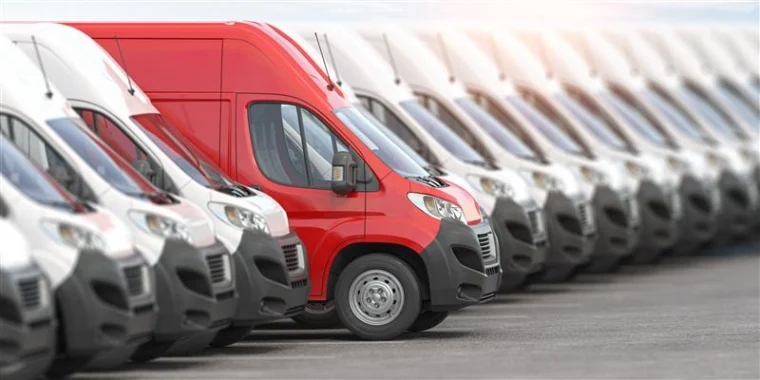
Should local fleet owners in Elizabeth flush their coolant more often? Yes. For businesses running delivery trucks or ranch vehicles in the Elbert County area, we suggest a coolant flush every 30,000 miles. Heavy use in high altitudes leads to a faster chemical breakdown of the fluid. Keeping fresh fluid in your fleet protects your water pumps and keeps your business on the road.
What are the signs of a failing thermostat in the Colorado high plains? If your heater takes a long time to warm up on a snowy Elizabeth morning, your thermostat might be stuck "open." If the needle on your dash jumps to the "Red" zone quickly, it might be stuck "closed." Both issues are common here because the rapid temperature changes wear out moving parts faster than in flatter regions.
2. High-Performance Automotive Lubrication
Question: "What is the best motor oil for a truck commuting from Elizabeth to Denver every day?"
Why is full synthetic oil recommended for drivers in the Elizabeth area? Full synthetic oil is a must for Elizabeth drivers. Our engines work harder because of the high altitude and steep hills. Synthetic oil stays slippery even when the engine gets very hot, which prevents engine wear. It also flows better on freezing mornings, ensuring your engine is protected the moment you start it to head to work.
How often should I change my oil if I commute on Highway 86 daily? The average commute from Elizabeth is nearly 40 minutes. This constant highway driving is hard on oil. We suggest changing synthetic oil every 5,000 to 7,500 miles. Frequent changes remove the carbon and dust that build up when your engine works at high elevations. This keeps your vehicle reliable for the long haul.
Does the dry, dusty air in Elizabeth affect my engine oil? Yes. Elizabeth is beautiful, but the wind can blow a lot of dirt and dust around the plains. This dust can get past your air filter and turn your oil into "sludge." We recommend checking your air filter every time you get an oil change. A clean filter keeps the dirt out of your oil and your engine running smooth.
What does "0W-20" or "5W-30" oil mean for a Wyoming-style winter? The "W" stands for "Winter." In Elizabeth, you want a low first number (like 0 or 5). This means the oil is thin enough to move quickly when it is 0 degrees outside. This prevents "dry starts," which is when your engine parts rub together without protection for the first few seconds of running.
Why do local fleet owners prefer high-performance lubricants for ranch trucks? Ranch and work trucks in Elbert County carry heavy loads and idle for long periods. High-performance lubricants are designed to protect engines under these "severe" conditions. Using the best oil reduces the chance of an expensive engine failure, keeping your fleet working and your costs down.
3. Automotive Tire Reliability
Question: "Do I need snow tires or all-season tires for the hilly roads in Elizabeth, Colorado?"
Why does my tire pressure light turn on every time we have a cold snap? When the temperature drops, the air in your tires shrinks. For every 10-degree drop, your tires lose about one pound of pressure. In Elizabeth, a sunny day can be followed by a freezing night. This "yo-yo" weather causes your tires to deflate. Keeping them filled correctly helps your gas mileage and keeps you safe on icy roads.
Are "All-Season" tires safe for winter driving in the Legacy Village neighborhood? All-season tires are made of a rubber that gets hard like a hockey puck when it is below 45 degrees. Dedicated "Winter" or "Snow" tires stay soft and grippy. For the hilly, often unplowed roads around Elizabeth, winter tires are a much safer choice for stopping and turning on ice.
How does the intense Elizabeth sun affect the life of my tires? At high altitude, the UV rays from the sun are very strong. This causes "dry rot," which looks like small cracks on the side of your tires. Even if you have plenty of tread, a dry-rotted tire can blow out on the highway. We suggest having tires over 5 years old inspected by a professional.
What is the "Penny Test" for checking my tires before a big snowstorm? Take a penny and put it into your tire tread with Lincoln’s head facing down. If you can see the top of his head, your tires are too thin for snow. In Elizabeth, you need deep tread to push through slush and mud. If your tires fail this test, you should replace them before the next storm.
Should fleet managers in Elizabeth use "All-Weather" tires for year-round use? "All-Weather" tires are a great choice for local fleets. They have a special "Three-Peak Mountain Snowflake" symbol, meaning they are rated for severe snow. Unlike winter tires, you don't have to take them off in the summer. This saves your business the time and money of swapping tires twice a year.
4. Automotive Brake Safety Check
Question: "Why are my brakes squeaking after driving on Elizabeth's dirt and gravel roads?"
Why do my brakes feel "soft" when driving down into Castle Rock from Elizabeth? Driving down long hills makes your brakes very hot. This is called "brake fade." The high altitude means there is less air to cool them down. If your pedal feels "spongy," you may have moisture in your brake fluid. This is dangerous and needs a professional check-up to ensure you can stop safely.
Does the road salt used in Elbert County damage my braking system? Yes. The chemicals used to melt ice are very corrosive. They can cause your brake parts to rust and "stick." This makes your brakes wear out faster or can even cause them to fail. We recommend a high-pressure car wash with an undercarriage spray after every snowstorm to rinse these chemicals off.
What are the warning signs that I need new brakes before winter starts? Listen for a high-pitched squealing or a deep grinding sound. If your steering wheel shakes when you step on the brake pedal, your rotors might be warped. In a town like Elizabeth, where deer and elk often cross the road, having 100% braking power is a vital safety requirement.
How often should I have my brakes checked if I drive a lot of "city" miles? For drivers who spend a lot of time in stop-and-go traffic in Elizabeth or nearby cities, we suggest a brake check every 6 months. Frequent stopping wears down pads faster than highway driving. Finding a problem early can save you from having to replace expensive parts like calipers or rotors.
Can fleet owners save money by using "Heavy-Duty" brake pads in Colorado? Yes. For heavy trucks and delivery vans working in Elizabeth, "Heavy-Duty" or "Ceramic" pads are a better investment. They handle the heat of mountain driving much better and last longer under the stress of heavy loads. This keeps your trucks in service and out of the repair shop.
5. Automotive Drive Belt & Hose Inspection
Question: "How to tell if my car's serpentine belt is cracked from Elizabeth's dry air."
Why do rubber belts and hoses fail faster in Elizabeth than in other places? The combination of high altitude and very dry air is hard on rubber. These conditions make belts and hoses brittle, which leads to cracking. A belt that breaks while you are driving will leave you stranded and could cause engine damage. We suggest a visual check of your belts at every oil change.
What does a "squealing" sound under my hood mean on a cold morning? A squealing sound usually means a drive belt is slipping. In our cold winters, the rubber becomes stiff and loses its grip. If you hear this sound when you start your car, it’s a sign the belt is worn. Replacing it now is much cheaper than having to pay for a tow truck later.
How can I check my radiator hoses for "soft spots" myself? When the engine is cool, give the large hoses a squeeze. They should feel firm but flexible. If they feel very soft, mushy, or have a bulge, they are about to burst. Replacing a hose is a simple repair that prevents your engine from overheating and causing major damage.
Should I replace all my belts at once for my Elizabeth business fleet? We recommend it. If one belt has failed due to age and the dry Colorado climate, the others are likely close behind. For fleet owners, "preventative replacement" during a scheduled service is much smarter than an emergency repair that delays a customer's delivery.
What is a "Timing Belt" and why is it critical for Elizabeth drivers? The timing belt keeps the internal parts of your engine in sync. At high altitudes, engines work at higher speeds to stay in the power band. This puts more stress on the belt. Most manufacturers suggest replacement every 90,000 miles, but in Elizabeth, many experts suggest doing it at 80,000 miles for extra safety.
6. Automotive Battery Stress Test
Question: "Why did my truck battery die during the first freeze in Elizabeth, Colorado?"
Why is Elizabeth’s winter weather so hard on car batteries? Cold weather slows down the chemical reaction inside your battery. At the same time, your engine oil is thick and hard to move. A battery that worked fine in the summer might only have 50% of its power when it hits 10 degrees. This is why so many people get stuck in their driveways during the first snow.
How long does a car battery typically last in the Elbert County climate? Because of our extreme heat in the summer and deep freezes in the winter, batteries in Elizabeth usually last 3 to 5 years. If your battery is more than 4 years old, it is "living on borrowed time." We suggest a free battery test every fall to see if it can handle the coming winter.
What are the warning signs of a weak battery I should look for? If your engine "groans" or turns over slowly when you start it, your battery is failing. You might also notice your headlights looking dim when you are stopped at a light. In modern cars, a weak battery can also cause weird electrical problems with your radio or dashboard screens.
Does the dry air in Elizabeth cause battery terminal corrosion? Yes. You may see a white, powdery "crust" on your battery terminals. This is caused by acid vapors escaping. In our dry air, this crust can harden and block electricity from flowing. Cleaning your terminals can help, but it’s often a sign that your battery is reaching the end of its life.
What are "Cold Cranking Amps" (CCA) and why do they matter in Elizabeth? CCA is a measure of how much power a battery has at zero degrees. When buying a new battery for your truck or fleet in Elizabeth, always look for the highest CCA rating that fits. You need that extra "punch" to get your engine moving on a dark, frozen Colorado morning.
7. Importance of Wiper Blade Replacement
Question: "Best wiper blades for heavy upslope snow in Elizabeth, Colorado."
Why do my wiper blades streak after only one Colorado summer? The intense sun in Elizabeth literally "bakes" the rubber on your wiper blades. This makes the rubber stiff and brittle. By the time the first snow arrives, the blades can no longer hug the curve of your windshield. This leaves dangerous streaks that make it very hard to see while driving at night.
What are "Winter Wiper Blades" and are they worth it for local drivers? Yes, they are a great investment. Winter blades have a special rubber "sleeve" that covers the metal frame. This prevents ice and snow from building up inside the wiper's joints. Regular blades often get frozen into a straight line and stop working during a heavy Elizabeth snowstorm.
How often should I change my wipers if I live in the Spring Valley area? We recommend changing them every 6 months. A good rule of thumb is "Spring and Fall." Change them in the spring to handle heavy rain, and change them in the fall to prepare for ice and snow. Visibility is your most important safety tool when driving on rural roads.
Can I use my wipers to clear heavy ice off my windshield? Never do this. The sharp, jagged edges of the ice will tear the delicate rubber on your blades instantly. Use a dedicated ice scraper or your car's defroster to melt the ice first. Using wipers on ice is the fastest way to ruin a brand-new set of blades.
Why should fleet owners care about wiper blade quality? For delivery drivers, time is money. If a driver has to pull over because they can't see through a slushy windshield, you lose productivity. High-quality "Beam Style" blades are more aerodynamic and last longer, keeping your drivers safe and your fleet moving through any weather.
8. Automotive AC & Cabin Air Comfort
Question: "Why does my car smell musty when I turn on the AC in Elizabeth?"
Does the high altitude affect how my car’s air conditioning works? The AC system works by moving heat. In the thinner, drier air of Elizabeth, the system has to work a bit harder to feel cold. If your AC isn't blowing "ice cold," you might be low on refrigerant. A quick "recharge" service can make a huge difference during a hot July afternoon.
What is a "Cabin Air Filter" and why is it important in the Colorado plains? This filter cleans the air you breathe inside the car. In Elizabeth, we deal with a lot of dust from the plains and smoke during wildfire season. A clogged filter blocks airflow and can trap bad smells. It also makes your heater and AC work much harder than they should.
How often should I replace my cabin air filter? We recommend checking it every 12,000 miles. However, if we have a bad wildfire season or if you drive on dirt roads frequently, you might need to change it sooner. If you notice a "musty" smell or if your windows fog up easily, it’s a sign you need a new filter.
Why is my AC making a loud "clicking" noise when it turns on? This is often a sign of a failing AC part called the "compressor." In our dusty climate, dirt can get into the moving parts and cause them to wear out. Getting it fixed early can prevent the entire system from failing, which is a much more expensive repair.
Is AC maintenance important for fleet vehicles that don't carry passengers? Yes. The AC system is also used during the winter to dehumidify the air. This is what clears the fog and frost from the inside of your windshield. For any fleet owner in Elizabeth, a working AC system is a safety requirement for clear visibility all year round.