What Does Transmission Fluid Do
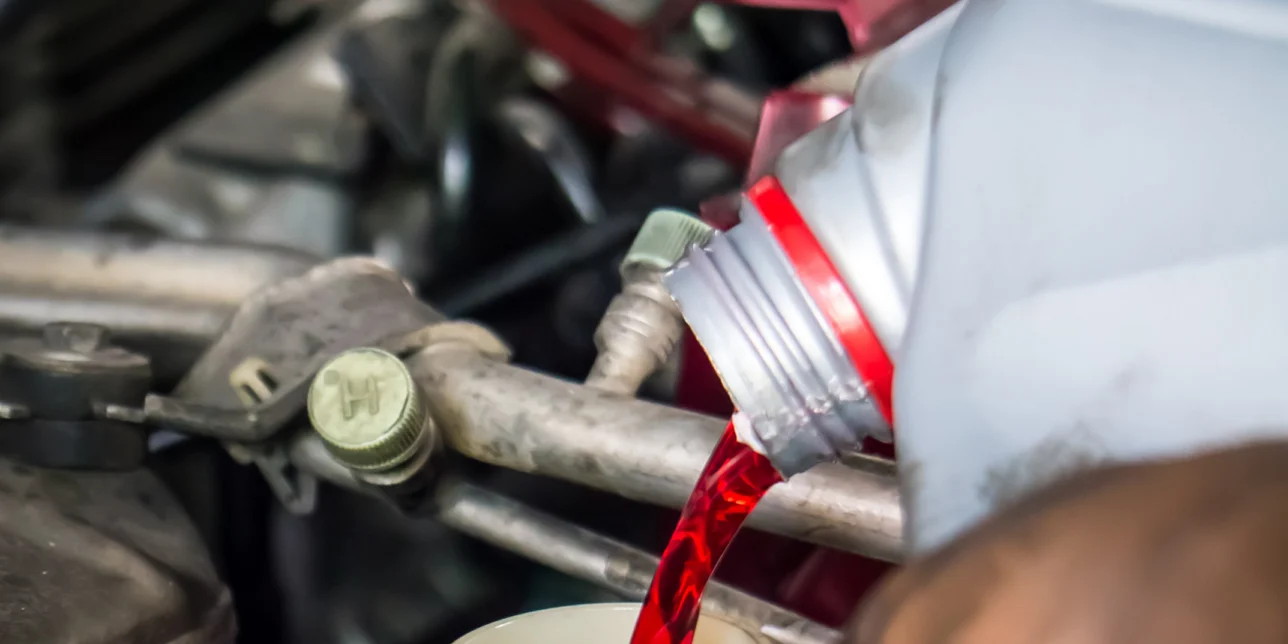
Transmission fluid is one of the most essential yet often overlooked fluids in your vehicle. It plays a critical role in keeping your transmission running smoothly, efficiently, and reliably. When transmission fluid is neglected, it can lead to costly repairs, decreased performance, and even complete transmission failure. At Grease Monkey, our team understands the importance of proper transmission fluid maintenance and provides professional services to help you protect your investment and stay confidently on the road.
Benefits of Proper Transmission Fluid Maintenance
Transmission Fluid Supports Smooth and Reliable Vehicle Performance
Transmission fluid is designed to do much more than simply lubricate moving parts. It acts as a hydraulic fluid, coolant, and protector within your transmission system. By keeping the transmission fluid in optimal condition, you help ensure that gear changes are smooth, response times are quick, and your vehicle operates as designed. Proper fluid levels and quality also reduce friction and minimize wear, which can extend the life of your transmission.
The Benefits of Transmission Fluid for Your Vehicle
Drivers who prioritize regular transmission fluid maintenance enjoy several advantages. Here are some of the key benefits of transmission fluid:
- Enhanced lubrication for gears and moving parts, reducing friction and wear
- Improved heat dissipation to prevent overheating and component damage
- Efficient hydraulic operation for automatic gear shifting and response
- Protection against corrosion, rust, and buildup inside the transmission
Our Transmission Fluid Service Process
The Role of Transmission Fluid in Vehicle Operation
Understanding what transmission fluid does is key to appreciating its importance. Transmission fluid lubricates the gears, bearings, and other moving parts inside the transmission, reducing direct metal-to-metal contact. It also acts as a coolant, drawing heat away from critical areas and helping maintain optimal operating temperatures. In automatic transmissions, the fluid serves as a hydraulic medium, enabling gear shifts and clutch engagement. Additionally, transmission fluid contains detergents and additives that clean and protect internal components from sludge, varnish, and corrosion.
Types of Transmission Fluid and Their Applications
There are several types of transmission fluid, each formulated for specific transmission designs and vehicle manufacturer requirements. The most common types include automatic transmission fluid (ATF), manual transmission fluid, and specialized fluids for continuously variable transmissions (CVT) or dual-clutch transmissions (DCT). Choosing the right fluid is vital, as incorrect fluids can lead to improper operation or even damage. At Grease Monkey, we use fluids that meet or exceed manufacturer specifications to ensure your transmission receives the best possible protection and performance.
Transmission Fluid Change and Service Steps
When you bring your vehicle to Grease Monkey for a transmission fluid service, you can expect a thorough and efficient process designed to maximize the lifespan and efficiency of your transmission. Here is what typically happens during a transmission fluid change and service:
- Inspection of the current fluid level and condition
- Draining of old, worn, or contaminated transmission fluid
- Replacement of the transmission filter (if applicable)
- Refilling with the correct type and amount of new transmission fluid
Transmission Fluid Maintenance and Checks
Regular transmission fluid maintenance and checks are essential for preventing problems before they start. During each service, our team inspects the fluid for color and consistency, which can reveal potential issues such as contamination or overheating. We also check for leaks and ensure that seals and gaskets are in good condition. By staying proactive with transmission fluid maintenance, you help safeguard your vehicle against unexpected breakdowns and expensive repairs.
Key Considerations for Transmission Fluid Care
Types of Transmission Fluid and Their Differences
Understanding the types of transmission fluid is crucial for proper maintenance. Automatic transmission fluids are typically red or pink and are designed to handle the hydraulic and cooling needs of automatic transmissions. Manual transmission fluids may be thicker and are tailored for the unique demands of manual gearboxes. Some vehicles require synthetic fluids, which offer improved stability, longer life, and better performance in extreme temperatures. Always refer to your vehicle’s owner manual or consult a professional to select the correct fluid for your transmission.
Transmission Fluid Problems and Symptoms
Recognizing the signs of transmission fluid problems can help you address issues before they become serious. Common symptoms include rough or delayed shifting, slipping gears, unusual noises, or a burning smell coming from the transmission area. Low or dirty fluid can also trigger warning lights on your dashboard. If you notice any of these symptoms, prompt service can help prevent further damage and restore your vehicle’s performance.
Recommended Transmission Fluid Change Intervals
How often do you change transmission fluid depends on several factors, including the type of transmission, driving conditions, and manufacturer recommendations. Most vehicle manufacturers provide specific intervals, which can range from every 30,000 to 60,000 miles for automatic transmissions. Some newer vehicles with advanced synthetic fluids may have longer intervals, but regular checks are still important. Severe driving conditions, such as frequent towing, stop-and-go traffic, or extreme temperatures, can shorten the recommended interval and increase the need for more frequent fluid changes.
Consequences of Neglecting Transmission Fluid Maintenance
Extending the recommended interval between transmission fluid changes can lead to a range of problems. Old or contaminated fluid loses its ability to lubricate, cool, and protect, which can result in overheating, increased friction, and accelerated wear. Over time, this can cause transmission components to fail, leading to costly repairs or even total transmission replacement. Staying on top of transmission fluid maintenance is a simple yet effective way to protect your vehicle and avoid unexpected expenses.
Why Choose Grease Monkey?
When it comes to transmission fluid change and service, Grease Monkey delivers the expertise, efficiency, and attention to detail you need for peace of mind on the road. Our team uses fluids that meet or exceed manufacturer specifications and follows a proven process to ensure your transmission receives the care it deserves. Trust Grease Monkey for fast, professional service that gets you back on the road with confidence.




Plan Your Visit
Find a location near you, explore current deals, and get everything you need before you roll in.