15 Reasons to Replace Your Cabin Air Filter in Twin Falls, Idaho – What the Canyon, Chobani, and the Falls Do to Your Car
Location: Twin Falls, ID Topic: Grease Monkey Center #1511 By: Phil Gilliam
An Authoritative Guide for Cabin Air Filter Care Above the Snake River Canyon
Grease Monkey, 1552 Sunwest Way, Twin Falls, ID 83301. Has Over 152 Google Reviews With A 4.6 Star Rating.
A Note on Authority and Expertise: This article was researched and written by Phillip Paul Gilliam, a veteran journalist and former Editor-in-Chief with more than 50 years of publishing experience in automotive, trucking, and safety communications.
Fifty-plus years in automotive and safety publishing comes down to one habit above all others: check it before it goes to print. The Chobani expansion figures, the Perrine Bridge height, and the College of Southern Idaho enrollment numbers cited below were all verified against current, named sources specifically for this Twin Falls piece, not carried over from research done for this series’ Kimberly or Jerome locations, even though all three sit in the same Magic Valley region.
This Twin Falls location, Grease Monkey Center #1511 at 1552 Sunwest Way, is managed by Chevy Duff and operates as a preferred CARFAX service provider [1]. Part of the FullSpeed Automotive network, which has grown past 900 franchised and company-owned locations nationwide as of mid-2026, the location was recognized alongside 435 other FullSpeed Automotive centers as a 2025 CARFAX Top Shop winner for verified customer satisfaction [7][8]. The Twin Falls location has built its own 4.6-star rating across more than 152 Google reviews [1].
Twin Falls sits at 3,740 feet as the largest city in Idaho’s Magic Valley, with 51,807 residents at the 2020 census and an estimated 55,589 by 2024, a 7.3 percent increase in four years [2]. Founded in 1904 as a planned city, Twin Falls now anchors the Snake River Canyon, home to Shoshone Falls, the Perrine Bridge, and the world’s largest yogurt manufacturing plant, along with a diverse food-processing base and a major community college, putting a genuinely different set of demands on a cabin air filter than this series’ smaller Magic Valley stops.
An Introduction to Cabin Air Filters Above the Snake River Canyon in Twin Falls
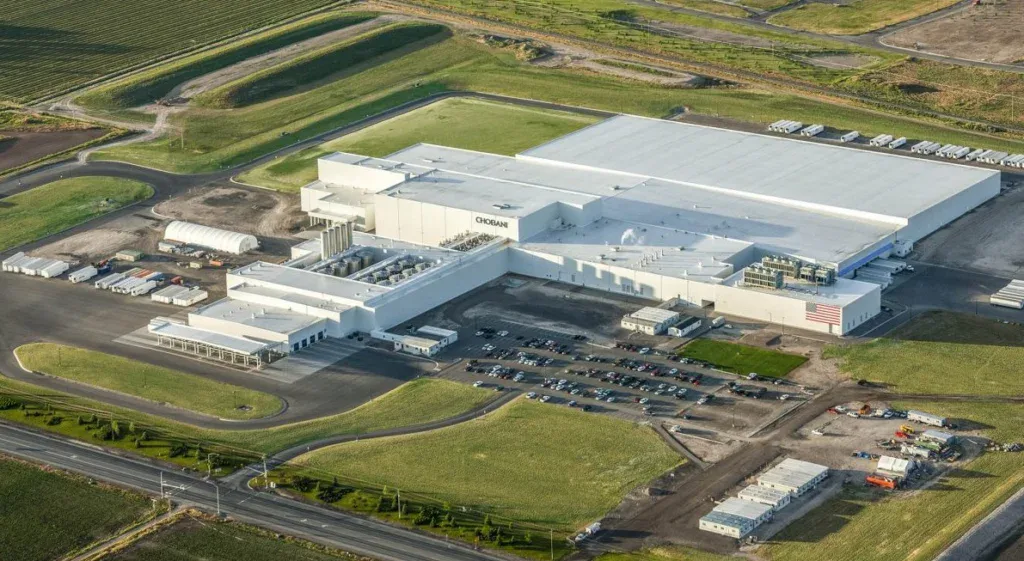
Chobani’s Twin Falls plant is already the world’s largest yogurt manufacturing facility, and in March 2025 the company broke ground on a $500 million expansion that will add more than 500,000 square feet to its existing 1.1 million, aiming to boost output by roughly 50 percent while purchasing some 2 billion pounds of Idaho milk a year [3]. That single fact captures something true about Twin Falls more broadly: this is a city where industrial scale, tourism, and geography all sit closer together than in almost any other stop this series has covered.
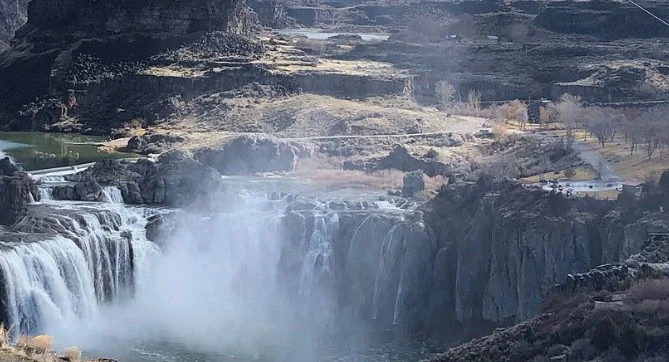
The Snake River Canyon cuts right through the north side of town, carrying Shoshone Falls, a 213-foot waterfall taller than Niagara, alongside Pillar Falls and Twin Falls itself, and spanned by the Perrine Bridge, one of the few places in the world where BASE jumping is legal year-round from a span 486 feet above the canyon floor [2][4]. Add Chobani, Glanbia Foods, Lamb Weston, and Amalgamated Sugar all operating in or near the same city, plus College of Southern Idaho’s roughly 10,000 students commuting in and out on a semester schedule, and Twin Falls puts a genuinely more layered set of demands on a cabin air filter than this series’ smaller Kimberly and Jerome stops just down the road [2][6].
This guide walks through fifteen reasons Twin Falls drivers, from Chobani commuters to canyon-rim regulars, should treat their cabin air filter as a genuine piece of safety and health equipment rather than a line item on an oil-change ticket. Every reason here is grounded in a real technical fact about how the filter works, not local color wearing a filter-shaped costume, and every one of these fifteen topics is new to this series, distinct from the beet-season, canal, milk-powder, and rodeo angles already covered at this series’ other Magic Valley stops.
Grease Monkey’s Twin Falls location, managed by Chevy Duff and recognized as a CARFAX preferred service provider, has built a 4.6-star reputation across more than 152 Google reviews serving exactly this kind of Magic Valley driver [1]. What follows is the technical and local case for getting your cabin air filter checked before the next Chobani construction milestone, the next Shoshone Falls peak season, or the next hot stretch above 90 degrees.
Does the Chobani Yogurt Plant, the largest yogurt plant in the world, affect your vehicle’s cabin air filter?
Most Critical
1. Does the World’s Largest Yogurt Plant Put Extra Tanker Traffic Through Your Cabin Air Filter?
Category Most Critical
With Chobani’s Twin Falls facility purchasing roughly 2 billion pounds of Idaho milk a year, does that volume translate into meaningfully more tanker truck traffic for a nearby cabin air filter to handle than a smaller dairy operation would?
It does. Chobani’s Twin Falls plant, the world’s largest yogurt manufacturing facility, currently employs 1,200 people across 1.1 million square feet and is expected to purchase roughly 2 billion pounds of Idaho milk this year to produce yogurt, oat milk, and coffee creamers [3]. Moving that much raw milk in requires a correspondingly large, steady flow of tanker trucks arriving around the clock, not a seasonal or occasional pattern the way a smaller or harvest-tied operation would see.
For drivers near the plant, that means a more constant, year-round baseline of heavy-truck traffic, exhaust, and the modest road residue heavy trucks generally leave behind, rather than the seasonal spikes this series has documented at smaller-scale dairy and food-processing stops elsewhere in Magic Valley. A cabin air filter serving a commute near Sunwest Way is handling a genuinely larger, steadier industrial-truck presence than most of this series’ other locations.
2. Does Peak Season at Shoshone Falls Add a Real Traffic Spike for Your Cabin Air Filter?
Category Most Critical
During peak spring runoff season at Shoshone Falls, a 213-foot waterfall taller than Niagara, does the resulting tourist traffic actually add a measurable exhaust and idling load for nearby drivers’ cabin air filters?
It does. Shoshone Falls drops 213 feet, 46 feet higher than Niagara Falls, and draws its heaviest tourist crowds during peak spring runoff, when the flow, and the spectacle, are at their most dramatic [2]. That seasonal peak concentrates a large volume of out-of-town visitor traffic, much of it unfamiliar with the area and driving slowly, stopping frequently, and idling in a comparatively small parking and overlook area, into a period of weeks rather than spreading it evenly across the year.
That concentrated tourist idling is a genuinely different exhaust exposure than ordinary local commuter traffic, more stop-and-go, more idling while looking for parking or taking in the view, in a smaller geographic footprint. A cabin air filter for anyone living or working near the falls faces a real seasonal bump tied to the waterfall’s own runoff cycle, not just the general spring dust and pollen this series has covered elsewhere.
3. Does the Snake River Canyon’s Own Updraft Create a Different Dust Pattern Near the Perrine Bridge?
Category Most Critical
Given that BASE jumpers rely on the Snake River Canyon’s updrafts at the Perrine Bridge, does that same canyon airflow pattern create a genuinely different local dust or particulate pattern for a vehicle’s cabin air filters parked at the rim than flat, open ground would?
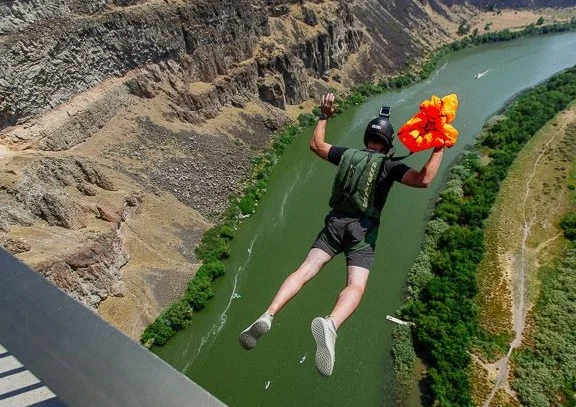
It can. The Perrine Bridge sits 486 feet above the canyon floor, and the canyon itself is deep and steep-walled enough to generate the reliable updrafts BASE jumpers depend on for a safe descent [4]. A canyon that channels air upward in a consistent, structured way behaves differently from flat, open terrain, where wind more simply pushes dust horizontally; a canyon-rim location can see localized, sometimes gustier and more variable airflow right at the edge than the surrounding flat farmland just a short distance back from it.
For a vehicle regularly parked at the rim overlook, whether for sightseeing, spectating a jump, or working nearby, that localized canyon airflow is a genuinely different, site-specific wind pattern than this series’ more typical flat-ground locations, one more reason a canyon-rim vehicle’s cabin air filter shouldn’t be assumed to face the exact same conditions as a commuter’s a mile away on level ground.
4. Does Chobani’s Multi-Year Expansion Mean Years, Not Weeks, of Construction Dust Nearby?
Category High Priority
With Chobani’s $500 million Twin Falls expansion adding more than 500,000 square feet to an already 1.1-million-square-foot plant, does a project of that scale mean a sustained, multi-year construction zone rather than a short-term disruption and does that effect my cabin air filter?
It does. Chobani broke ground on the expansion in March 2025, adding over 500,000 square feet to bring the total facility to 1.6 million square feet and increase output by roughly 50 percent, a scale of construction that realistically unfolds over multiple years rather than a single construction season [3]. Unlike a shorter, single-building project, an expansion of this size keeps heavy equipment, material deliveries, and construction-crew commuter traffic active in the same area continuously rather than in one concentrated burst. All of this activity has a definite impact on your cabin air filter.
For drivers near the plant, that means treating construction-related dust and traffic as an ongoing, multi-year condition to plan around, rather than a temporary inconvenience that will resolve itself after a single season, a meaningfully longer disruption window than the shorter, single-facility construction projects this series has covered at other Magic Valley stops.
Twin Falls is blessed to have the College of Southern Idaho campus, but how does the school impact your cabin air filter system?
5. Does College of Southern Idaho’s Semester Schedule Create Its Own Traffic Pattern for Your Cabin Air Filter?
Category High Priority
As a primarily commuter campus with thousands of students, does College of Southern Idaho’s semester schedule actually create a distinct, cyclical traffic pattern for nearby drivers, separate from a typical school-year rhythm impacting a cabin air filter?
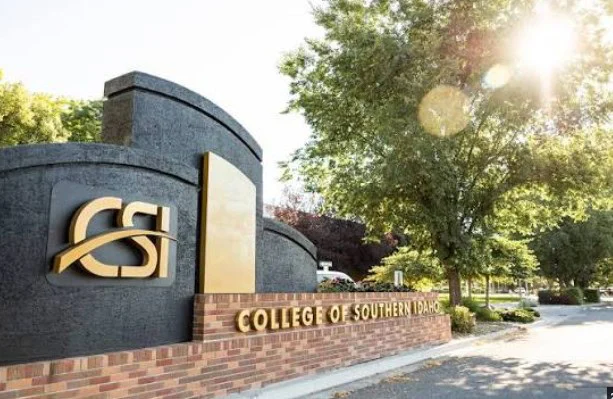
It does. CSI enrolls roughly 7,000 students in credit courses plus another 3,000 in non-credit courses, and with only a single residence hall housing about 250 students, the overwhelming majority of that student body commutes in from off-campus for classes [6]. That’s a substantial volume of vehicle trips concentrated around class schedules and semester start and end dates, on top of the area’s regular commuter and industrial traffic.
Because a commuter-college schedule follows fall and spring semester patterns with a real summer lull, not a steady year-round rhythm, drivers near CSI’s 300-acre campus see traffic, and the associated exhaust and idling exposure, ramp up and down in a way tied to the academic calendar rather than to weather or harvest seasons the way most of this series’ other traffic-pattern topics have been, and all of these conditions definitely effect your cabin air filter.
6. Does the Historic Evel Knievel Jump Site Still Draw Enough Visitors to Affect Local Traffic?
Category High Priority
More than fifty years after Evel Knievel’s famous failed Snake River Canyon jump attempt, does the historic site still draw enough niche tourist and motorcycle traffic to add to the canyon rim’s normal traffic pattern creating more stress on your cabin air filter?
To a modest but real degree, yes. Evel Knievel’s 1974 attempt to jump the Snake River Canyon on a rocket-powered motorcycle remains one of the most nationally recognized events in Twin Falls’ history, and the launch ramp earthwork is still visible at the canyon rim today, drawing history-minded visitors, motorcycle enthusiasts, and daredevil-culture tourists separate from the crowds visiting for Shoshone Falls or BASE jumping specifically [2].
This is a smaller, steadier trickle of visitor traffic rather than a sharp seasonal spike, niche enough that it adds only a modest amount to the canyon rim’s overall traffic and dust exposure, so its impact on your cabin air filter is minimal, but it’s one more distinct visitor stream layered onto an already tourism-heavy stretch of road that a purely residential or industrial area wouldn’t see at all.
7. Does Having Several Major Food Processors in One City Create a More Mixed Exhaust Profile for Your Cabin Air Filter?
Category Important
With Chobani, Glanbia Foods, Lamb Weston, and Amalgamated Sugar all operating in or near Twin Falls, does having multiple major food processors clustered in one city create a more varied industrial exhaust and odor profile impacting your cabin air filter than a town built around just one plant?
It does. Twin Falls hosts a genuinely diverse industrial food-processing base, from Chobani’s yogurt and dairy operations to Glanbia’s cheese production, Lamb Weston’s frozen potato processing, and Amalgamated Sugar’s beet operations, each running its own combination of truck traffic, processing odors, and boiler or dryer emissions on its own schedule [2]. A single-plant town’s air quality pattern is tied to that one facility’s operating rhythm; Twin Falls’ is a genuine composite of several different industrial rhythms overlapping in the same relatively compact area. All of this has a definite effect on a vehicle’s cabin air filter.
For a cabin air filter serving Twin Falls driving, that means less of a single, predictable seasonal signature and more of a varied, overlapping mix of dairy, potato, and sugar-processing influences depending on which part of town, and which time of year, a particular drive passes through, a genuinely more complex industrial air-quality picture than this series’ single-employer stops.
8. Does Twin Falls’ Century-Old Planned Downtown Layout Create More Stop-and-Go Idling Than Newer Areas?
Category Important
Since Twin Falls was founded in 1904 as a deliberately planned city with an architect-designed layout, does its historic downtown street grid actually create more parking and idling friction for a cabin air filter than the city’s newer areas do?
It does, in a modest but real way. Twin Falls was founded in 1904 as a planned community designed by architect Emmanuel Louis Masqueray, growing out of the same irrigation development that shaped much of the Magic Valley [2]. A downtown grid laid out for early-1900s horse-and-wagon traffic and storefront parking generally has narrower streets and less parking capacity per block than a modern commercial corridor built around car traffic from the start.
That historic layout means more circling for parking, more brief idling while waiting for a spot or a pedestrian crossing, and generally more stop-and-go movement per mile driven downtown than in Twin Falls’ newer commercial areas, a small but real difference in the kind of driving, and the kind of exhaust exposure, a cabin air filter handles depending on which part of the city a regular route runs through.
9. Does Lamb Weston’s Frozen Potato Plant Add Its Own Distinct Smell to Twin Falls’ Air?
Category Important
With Lamb Weston operating a frozen potato products facility on Russet Street in Twin Falls, does that plant’s specific processing method add a distinct odor or particulate signature separate from the dehydrated-potato and sugar-beet processing this series has already covered elsewhere impacting a cabin air filter in a different manner?
It does. Lamb Weston’s Twin Falls facility, at 856 Russet Street, produces frozen French fries and other frozen potato specialties for both foodservice and retail, a process built around blanching, frying, and flash-freezing rather than the dehydration process this series covered at a different Magic Valley stop [5]. Frying and flash-freezing at scale involves its own oil-vapor and steam byproducts, a genuinely different airborne signature than a dehydration plant’s dust-heavy process or a sugar factory’s cooking odor.
For Twin Falls drivers near the Russet Street facility, that means yet another distinct, plant-specific odor and particulate source layered into the city’s broader mixed industrial air, one more reason a Twin Falls cabin air filter, especially one with an activated-carbon layer for the odor component, is handling a genuinely varied load compared to a town built around a single kind of food processing.
Base Jumping off the Perrine Bridge is not for the faint of heart!
Medium Priority
10. Does Year-Round Legal BASE Jumping Mean Steadier Tourist Traffic Than a Seasonal Attraction?
Category Medium Priority
Since the Perrine Bridge is one of the few places in the world where BASE jumping is legal year-round, does that create a steadier, more consistent baseline of tourist traffic than a seasonal draw like Shoshone Falls’ spring runoff peak creating more contaminates in your cabin air filter?
It does. Unlike a waterfall whose most dramatic viewing depends on seasonal runoff, the Perrine Bridge’s legal, year-round BASE jumping draws jumpers and spectators in every season, including winter months when most tourist attractions in the region see a significant lull [4]. That means the bridge overlook sees a more consistent trickle of visitor traffic across the calendar year rather than one sharp, concentrated peak.
For a cabin air filter serving the immediate bridge-overlook area, this translates into a more evenly distributed tourist-traffic exposure across twelve months rather than the sharp seasonal spike this guide describes at Shoshone Falls, a genuinely different traffic shape even though both sites are, in a broad sense, canyon-rim tourist attractions.
11. Do Twin Falls’ Roughly Twenty-Three 90-Degree Days a Year Add Up to Real Extra AC Runtime?
Category Medium Priority
With Twin Falls averaging around 23 days a year above 90 degrees Fahrenheit, does that specific stretch of hot days add up to a meaningful amount of extra cabin air filter runtime compared to a milder climate?
It does. Twin Falls’ semiarid climate produces roughly 23 days a year with highs at or above 90 degrees, concentrated across a relatively short summer stretch rather than spread thin across many months [2]. On each of those days, a vehicle’s air conditioning system runs its blower, and by extension its cabin air filter, at or near maximum output for a meaningfully longer portion of any given drive than it would on a mild 70-degree day.
Multiplied across roughly three weeks’ worth of the hottest days each year, that adds up to real extra filter runtime concentrated into a short window, a useful specific number for Twin Falls drivers deciding when a pre-summer filter check is worth scheduling, rather than treating every summer day as generically hot.
12. Do Twin Falls’ Three Waterfalls Create a Damper Microclimate for Nearby Cabin Air Filters?
Category Medium Priority
With Shoshone Falls, Pillar Falls, and Twin Falls itself all dropping into the same stretch of canyon, do the three waterfalls together create a locally damper microclimate that affects cabin air filters in vehicles parked nearby?
They do. The Snake River Canyon just north of the city hosts three separate waterfalls in close proximity, Shoshone Falls, Pillar Falls, and Twin Falls itself, each throwing off mist and spray that measurably raises local humidity right at the canyon rim compared to the surrounding high-desert terrain just a short distance back from the edge [2]. A vehicle parked at a rim overlook near any of the three can sit in noticeably more humid air than one parked in town.
That elevated rim-side humidity is a genuine microclimate effect, though it’s driven by fine water mist rather than airborne dust or particulate, meaning its main relevance to a cabin air filter is the same condensation-and-moisture consideration this series has covered near other water features, not an additional particulate load. A vehicle that regularly sits at a canyon-rim overlook benefits from the same periodic filter-housing check as one parked near an irrigation canal.
13. Does Buying a Car From a Graduating CSI Student Mean an Unknown Cabin Air Filter History?
Category Lower Priority
In a community college town where students regularly buy and sell vehicles as they arrive and graduate, does that turnover mean a higher share of used cars come with an unknown cabin air filter service history?
It does. With College of Southern Idaho enrolling thousands of primarily commuting students who cycle through over one to two years of coursework, Twin Falls sees a meaningfully higher rate of quick, informal vehicle turnover than a city without a large commuter-college population, students buying an inexpensive car for their time in town and reselling it privately when they move on [6].
That kind of quick-turnover, private-party sale is exactly the scenario least likely to come with a documented maintenance history, cabin air filter included, meaning a Twin Falls buyer shopping in that specific used-car niche benefits even more than average from treating an unknown filter as due for inspection rather than assuming a recent college owner kept up with it.
14. Is Waterfall Mist at the Canyon Rim Actually Bad for Your Cabin Air Filter?
Category Lower Priority
For a vehicle regularly parked near Shoshone Falls or the canyon rim where waterfall mist drifts over nearby areas, is that fine water spray actually harmful to a cabin air filter the way airborne dust or industrial particulate would be?
Not in the same way. Waterfall mist is fine water vapor and tiny water droplets, not particulate matter, so it doesn’t load a cabin air filter’s media with solid material the way dust, pollen, or combustion soot does; a filter handling humid, misty air is dealing with moisture, not an accumulating physical load.
The genuine consideration is condensation, covered elsewhere in this guide, rather than filtration capacity itself, so a vehicle regularly parked in waterfall mist doesn’t need a shorter filter-replacement interval on the particulate side, but its filter housing benefits from the same periodic moisture check as any vehicle sitting in a persistently humid microclimate.
15. Do Twin Falls’ Century-Old Tree-Lined Streets Add Their Own Seasonal Litter to Your Cabin Air Filter?
Category Lower Priority
With Twin Falls’ historic downtown dating to 1904 and featuring mature, tree-lined streets, does that established urban tree canopy add its own distinct seasonal leaf and pollen litter impacting a cabin air filter compared to a newer subdivision with young or no street trees?
It does. Twin Falls’ planned 1904 downtown has had well over a century for its street trees to mature into a full, established canopy, a genuinely different streetscape than a newer subdivision where trees, if planted at all, are still young and small [2]. Mature shade trees produce a heavier seasonal drop of leaves, seed pods, and pollen than young trees of the same species, simply because there’s more established canopy generating it.
A Twin Falls commute through the older, tree-lined parts of downtown is passing through a genuinely heavier seasonal organic-litter zone each spring and fall than the same commute through one of the city’s newer, less-established residential areas, one more reason where in town a regular route runs matters for how quickly a cabin air filter loads.
About Grease Monkey, 1552 Sunwest Way, Twin Falls, ID 83301
Grease Monkey Center #1511 is managed by Chevy Duff and sits at 1552 Sunwest Way, Twin Falls, ID 83301, open Monday through Friday from 8:00 AM to 6:00 PM and Saturday from 8:00 AM to 5:00 PM, closed Sundays [1]. The location offers conventional, synthetic-blend, full-synthetic, high-mileage, and premium synthetic oil changes, fluid exchanges, air filter replacement, battery service, tire rotation and balancing, brake service, engine service, headlight service, state inspections, transmission service, windshield service, and fleet maintenance, alongside amenities including a coffee station, free WiFi, a service bay window, courtesy fluid top-off, a customer lobby, and gift cards, and holds status as a preferred CARFAX service provider [1].
The location has built a 4.6-star rating across more than 152 Google reviews, serving a driver base spanning Chobani and Lamb Weston employees, College of Southern Idaho students and staff, and canyon-rim tourists passing through Idaho’s largest Magic Valley city [1]. As part of the FullSpeed Automotive network recognized with 435 CARFAX Top Shop honors in 2025, the Twin Falls team draws on brand-wide training standards while understanding exactly what a diverse industrial base, a major tourist canyon, and a large commuter college demand from a vehicle’s cabin air system [8].
Author Information
Author Bio – Phillip Paul Gilliam
Phillip Gilliam is a veteran journalist and former Editor-in-Chief with 50+ years of publishing experience and thousands of published articles. Specializing in automotive, trucking, and digital publishing, he creates authoritative, search-optimized content built on real-world expertise and editorial excellence. To learn more about Phil, visit http://www.phillipgilliam.com/about.html or contact Phil at [email protected]. He would love to hear from you!
Full Citation List
[1] Grease Monkey. Oil Change & Auto Repair, 1552 Sunwest Way, Twin Falls, ID. Grease Monkey. Available at: https://www.greasemonkey.com/locations/id/twin-falls/1552-sunwest-way/. (Store address, hours, manager name, amenities, service menu, CARFAX preferred provider status, and current Google review count and rating.)
[2] Wikipedia contributors. Twin Falls, Idaho. Wikipedia. Available at: https://en.wikipedia.org/wiki/Twin_Falls,_Idaho. (Elevation 3,740 feet; 2020 census population 51,807, 2024 estimate 55,589; semiarid climate with about 23 days a year above 90 degrees Fahrenheit and 24.2 inches of annual snowfall; Shoshone Falls at 213 feet with Pillar Falls and Twin Falls nearby; Perrine Bridge BASE jumping; Chobani, Glanbia Foods, Lamb Weston, and Amalgamated Sugar as major employers; city founded 1904 as a planned community designed by Emmanuel Louis Masqueray; 1974 Evel Knievel Snake River Canyon jump attempt.)
[3] BoiseDev. Chobani Breaks Ground on $500 Million Twin Falls Plant Expansion. BoiseDev.com. Available at: https://boisedev.com/news/2025/03/20/food-manufacturer-groundbreaking-magic-valley-march-2025/. (Current plant at 1.1 million square feet with 1,200 employees; $500 million expansion adding over 500,000 square feet and at least 160 jobs; roughly 50 percent output increase; approximately 2 billion pounds of Idaho milk purchased annually; groundbreaking March 19, 2025.)
[5] PotatoPro. Lamb Weston – Twin Falls. PotatoPro.com. Available at: https://www.potatopro.com/companies/lamb-weston-twin-falls. (Lamb Weston facility at 856 Russet Street, Twin Falls, Idaho, producing frozen French fries and frozen potato specialties for foodservice and retail.)
[6] Wikipedia contributors. College of Southern Idaho. Wikipedia. Available at: https://en.wikipedia.org/wiki/College_of_Southern_Idaho. (Approximately 7,000 students in credit courses and 3,000 in non-credit courses; primarily a commuter campus with one residence hall housing about 250 students; 300-acre main campus in Twin Falls with satellite centers in Jerome, Burley, and Gooding.)
We use cookies to improve your browsing experience on our website. By closing this banner or interacting with our site, you acknowledge and agree to our privacy policy.