Top 15 Reasons Your Vehicle's Brake System Needs Regular Service in Pocatello, Idaho
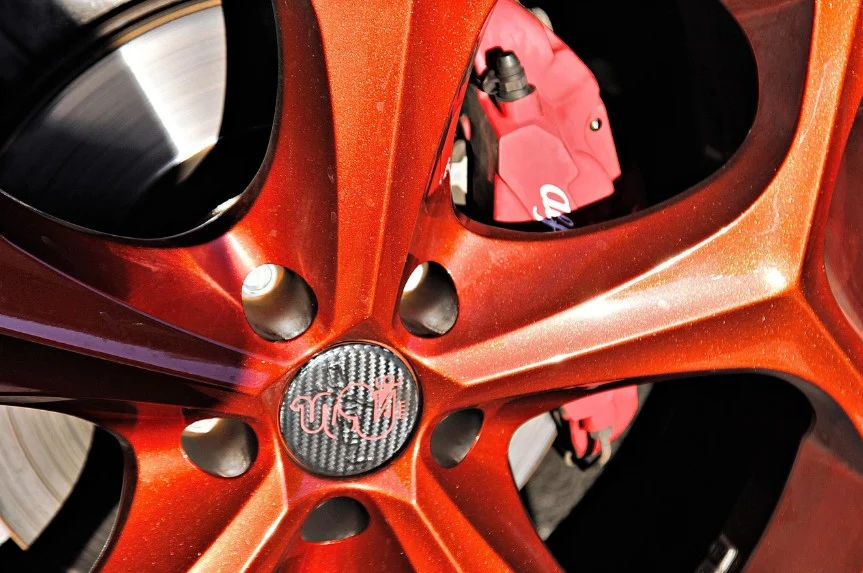
An Authoritative Safety Guide for Quinn Road Drivers in Pocatello, Idaho’s “Gateway to the Northwest”
Grease Monkey 710 W Quinn Rd, Pocatello, ID 83201 has over 2,160 Google Reviews With A 4.6 Star Rating
About This Article — EEAT Statement: This article is researched and written by a veteran automotive journalist and former Editor-in-Chief with more than 50 years of publishing experience, drawing exclusively on peer-reviewed safety research, federal transportation data, and industry-verified technical sources. The content is further supported by the professional expertise of Grease Monkey at 710 West Quinn Road, Pocatello, Idaho 83201 — a flagship location of FullSpeed Automotive, one of the nation’s largest franchisors of automotive aftermarket services. FullSpeed Automotive operates more than 930 locations nationwide, generated over $542 million in annual revenue, and serviced more than 5.2 million vehicles in 2025. The Quinn Road Grease Monkey team employs ASE-certified technicians who understand the unique demands that southeastern Idaho’s terrain, climate, and driving culture place on brake systems every single day. Every factual claim in this article is sourced, numbered, and linked. This is trustworthy content, built for drivers who deserve nothing less.
Introduction
Quinn Road runs east to west across the northern edge of Pocatello, threading through one of the city’s most active commercial and residential corridors before dissolving into the suburban sprawl that merges with Chubbuck to the north. It is a road that almost every Pocatello driver knows — whether they’re pulling into the Fred Meyer shopping center, navigating the school zones near Century High School, or heading north on I-15 toward the Fort Hall Indian Reservation and the Shoshone-Bannock Casino Hotel. The Pocatello Regional Airport sits just northwest, drawing travelers from across Bannock, Power, and Caribou counties. And directly on this corridor — positioned where the community’s daily traffic converges — sits Grease Monkey at 710 West Quinn Road, ready to serve the brake service needs of the vehicles that define this community’s working life.
Those vehicles face a demanding environment. Pocatello sits at 4,462 feet above sea level, endures average annual snowfall of 49 inches, and experiences winter temperature swings that accelerate the deterioration of every rubber seal, hydraulic line, and metal component in a brake system. [1] The roads heading north from Quinn Road — up I-15 toward American Falls Reservoir, east toward Power County’s farming communities, and through the Fort Hall Reservation’s highway corridors — carry agricultural trucks, school vehicles, delivery fleets, and family SUVs whose brakes are tested by Idaho distances and Idaho weather in equal measure. Beyond winter, the mix of gravel county roads, steep residential grades, and congested commercial arteries creates year-round demands on brake systems that most drivers underestimate.
What follows is a rigorous, research-backed examination of the top 15 reasons every Pocatello-area driver should schedule regular brake service — ranked from the most urgent to the most long-term, with each reason grounded in technical fact, tied to the specific conditions of this community, and paired with a clear next step. Motor vehicle crashes are the leading cause of death for teenagers in the United States. [4] Brake systems are the primary mechanical defense against those crashes — and in Pocatello, they need to be ready for everything the road sends at them.
This is not a generic vehicle maintenance article. It was written specifically for the drivers of Bannock County, Chubbuck, Fort Hall, and the communities that depend on the roads that run through and beyond West Quinn Road every day. Read it with your own vehicle in mind.
1. Master Cylinder Failure: The Brake Loss No Driver Sees Coming
Category: Most Critical – What happens when a master cylinder starts to fail?
The brake master cylinder is the hydraulic heart of every brake system. When the driver presses the brake pedal, the master cylinder converts that mechanical force into hydraulic pressure, distributing it simultaneously to all four wheel calipers through sealed brake lines. A functioning master cylinder is what makes braking feel firm, immediate, and predictable. When the master cylinder begins to fail — whether from internal seal deterioration, contaminated fluid corroding its bore, or a cracked reservoir — the brake pedal begins to sink progressively lower before pressure engages. In the worst cases, a failing master cylinder allows complete hydraulic pressure loss, delivering a pedal that travels all the way to the floor with no braking force whatsoever. Replacement costs for a failed master cylinder typically run $450 to $1,000 for most domestic vehicles, with higher costs for diesel trucks and imports. [2] Early detection during routine brake service avoids emergency repair pricing and, more critically, avoids discovering the failure at the worst possible moment.
Drivers in the northern Pocatello and Chubbuck area encounter exactly the conditions that accelerate master cylinder degradation. Moisture penetration through aged seals, combined with brake fluid that has not been changed in two or more years, introduces water into the master cylinder bore — where it promotes internal corrosion and causes the seals to swell and lose precision. A vehicle sitting through a Pocatello winter outside the residential neighborhoods north of Quinn Road — the Northgate area, the communities near Pocatello Regional Airport on the I-15 corridor, and the residential streets around Century High School — is exposed to temperature cycling that compounds seal fatigue with every freeze-thaw transition. A driver making the daily commute to Portneuf Medical Center on Hospital Way or the run north to the Shoshone-Bannock Tribes’ facilities on the Fort Hall Reservation may notice a pedal that feels slightly lower than it used to — and dismiss it. They should not.A sinking pedal is your master cylinder sending a distress signal — and unlike most warning signs, this one does not repeat itself indefinitely. Complete master cylinder failure can arrive with very little additional warning once internal seal integrity is compromised. The ASE-certified team at Grease Monkey, 710 West Quinn Road, Pocatello, can inspect your master cylinder, test your brake fluid for moisture contamination, and identify the early signs of hydraulic pressure loss before they become a roadside emergency. [Catch the sinking pedal before it hits the floor — visit https://www.greasemonkey.com/locations/id/pocatello/710-west-quinn-rd/ for a master cylinder and hydraulic system inspection today.
2. Teen and Young Driver Safety: When Inexperience Demands Maximum Brake Performance
Category: Most Critical – What is the main reason teenage drivers experience more moderate-to-severe teen crashes?
Published research in peer-reviewed medical literature documents a striking disparity in emergency braking between experienced and inexperienced drivers: in controlled simulations of sudden driving hazards, inexperienced teen drivers braked 50% less effectively than experienced adult drivers. [3] Motor vehicle crashes are the leading cause of death for teenagers in the United States, and distraction is a factor in nearly 60% of moderate-to-severe teen crashes. [4] Inexperienced drivers lack the hazard-anticipation skills that allow adult drivers to begin braking earlier, so they apply full brake force later — and rely more on the vehicle’s maximum deceleration to close the gap. A vehicle with worn pads, a marginally functioning ABS system, or degraded brake fluid has a reduced maximum deceleration ceiling. When an inexperienced driver reaches for that ceiling in an emergency, a system operating at 80% capacity may deliver 80% of the stop they needed — and the remaining 20% is where collisions happen.
The Pocatello-Chubbuck School District 25 serves approximately 12,500 students [5], and many of them are behind the wheel on the roads that converge on the West Quinn Road corridor. Century High School draws student drivers from across northern Pocatello and southern Chubbuck — students navigating the Quinn Road commercial corridor with its signalized intersections, parking lot exits, and pedestrian crossings at peak traffic hours. New drivers returning from Pebble Creek Ski Area on Idaho Highway 30, heading back to Pocatello after a weekend at Scout Mountain, or navigating I-15 north toward the Fort Hall Casino area are operating on roads that punish inattention and reward every fraction of available stopping power. A family whose teenager has just earned a license and shares the household vehicle needs that vehicle’s brake system operating at full capacity — not at whatever capacity last winter’s neglect left behind.
When your teenager is behind the wheel, your brake system’s margin of performance becomes their margin of survival. Don’t send the family vehicle into the school-year traffic on Quinn Road or the Friday-night run to Pebble Creek with pads that are past due or a pedal that’s lost its firmness. The team at Grease Monkey on West Quinn Road can certify that your brake system is performing at its designed maximum — which is exactly what a new driver needs most. [Give your young driver every possible advantage — visit https://www.greasemonkey.com/locations/id/pocatello/710-west-quinn-rd/ and let the Grease Monkey team inspect the brakes on your family’s vehicle today.]

3. Night Driving and the Darkness That Shrinks Your Safety Window
Category: Most Critical – How much riskier is night driving than during the daytime?
The relationship between nighttime driving and the risk of fatal crashes is stark and consistent across the research literature. According to the National Safety Council, while only 25% of all driving occurs at night, approximately 50% of traffic deaths happen in darkness. [6] The risk of a fatal crash is four times higher at night than during daylight hours. The reason is straightforward: vehicle headlights — even high beams — limit forward visibility to approximately 500 feet, while a driver traveling at 60 mph covers nearly 90 feet per second. At that speed, the perception-reaction-braking sequence must complete within roughly five seconds to avoid a hazard at the edge of headlight range. Any reduction in brake system performance — a spongy pedal from degraded fluid, a delayed pressure buildup from a restricting brake hose, or extended stopping distance from worn pads — removes precious fractions of that five-second window. Those fractions, in nighttime driving, are the difference between a controlled stop and an unavoidable collision.
Pocatello’s geography creates specific nighttime driving risks that compound the general statistics. The stretch of I-15 north of the Quinn Road interchange carries heavy truck traffic through hours of darkness, with limited lighting and wildlife crossings that are completely unpredictable. Drivers heading home to the Northgate area from evening shifts at Portneuf Medical Center, late-night employees returning from the Shoshone-Bannock Casino Hotel north of Chubbuck, and families driving back from evening events at Zoo Idaho or the Ross Park Aquatic Complex all navigate roads where nighttime hazards emerge without warning. The Pocatello Regional Airport corridor northwest of Quinn Road draws arrival and departure traffic during early morning and late evening hours when ambient lighting is minimal and driver fatigue is a compounding factor. In all these scenarios, a brake system at full performance capacity is not a preference — it is the mechanism by which a driver recovers the reaction time that darkness has already taken away.
At night, your brakes are compensating for everything your eyes can’t see — and they need to be at their absolute best to do it. Worn pads, degraded fluid, and sticky calipers all steal the stopping margin that nighttime driving demands. Let the Grease Monkey team on West Quinn Road return your brake system to its full deceleration capacity so that the darkness on I-15 or the airport corridor is the only variable working against you. [Don’t drive another night on compromised brakes — visit https://www.greasemonkey.com/locations/id/pocatello/710-west-quinn-rd/ and restore your full stopping power before the sun goes down again.]
4. Gravel and Unpaved Road Braking: Idaho’s Rural Routes Expose Every Weakness
Category: High Priority – How much does driving on a gravel road increase the stopping distance over driving on a pavement?
Braking on loose gravel or unpaved surfaces is fundamentally different from braking on paved asphalt, and the difference is measured in stopping distance. Research on vehicle braking behavior on gravel surfaces documents that stopping distances on loose gravel increase by an average of 27.2% compared to dry pavement — and that figure assumes a properly maintained brake system applying maximum friction at all four wheels simultaneously. [7] Gravel is a non-cohesive surface: tires compress and displace the aggregate rather than gripping it, reducing the coefficient of friction that brakes depend on to convert wheel rotation into deceleration. ABS systems, designed to prevent wheel lockup and maintain steering control, face a distinct challenge on gravel — the optimal braking strategy on loose aggregate is actually slightly different from paved surfaces, and an ABS module receiving signals from worn, uneven brake components cannot perform the fine pressure modulation that gravel braking demands.
The roads radiating outward from northern Pocatello and Chubbuck into Bannock and Power County’s agricultural heartland include dozens of miles of gravel and unpaved surfaces that Pocatello-area residents travel as a matter of routine. Farmers and ranchers serving the potato and grain operations north of American Falls Reservoir, hunters accessing the public lands of the Caribou-Targhee National Forest east of Pocatello, and recreational users heading to the off-road trails in the Scout Mountain–Mink Creek system all transition regularly from Quinn Road’s paved commercial corridor onto gravel surfaces where their vehicle’s brake performance is tested against a fundamentally reduced friction budget. A delivery driver servicing agricultural businesses in Power County, a contractor hauling materials to a job site on a Bannock County rural route, or a family heading to a campsite outside the pavement network needs a brake system whose pads, calipers, and ABS are all functioning precisely — because on gravel, there is no performance reserve to absorb their shortfall.
The moment your tires leave the pavement north of Chubbuck or east toward Power County, your brakes are working harder for less result — and any deficit in their condition becomes immediately and dangerously apparent. Grease Monkey on West Quinn Road can assess your brake system’s readiness for Idaho’s mixed-surface driving demands, ensuring that the transition from paved to gravel doesn’t expose a weakness you didn’t know you had. [Prepare your brakes for Idaho’s off-pavement reality — visit https://www.greasemonkey.com/locations/id/pocatello/710-west-quinn-rd/ before your next gravel-road run.]
5. Parking Brake Integrity: A Forgotten Component with Serious Winter Consequences
Category: High Priority – What impact does winter have on my parking brake?
The parking brake — also called the emergency brake or handbrake — is the most chronically neglected component in the modern vehicle brake system. In an era of automatic transmissions, many drivers engage the parking brake only occasionally or not at all, allowing the cables, linkages, or electronic actuators that operate it to degrade from disuse and corrosion. Research on parking brake systems documents a specific winter failure mode: water infiltrates the cable housing during rain or slush driving, then freezes overnight, rendering the cable immovable by morning. [8] A vehicle parked on an incline with a frozen parking brake cable has no mechanical backup if the transmission’s park pawl is the only thing holding it in place — and park pawl failures, while uncommon, do occur. Beyond the frozen-cable scenario, parking brake shoes and drums that have gone uninspected for years can corrode to the point of providing little or no holding force when needed. The parking brake is also the system a driver reaches for instinctively when the primary brake system partially fails — and it must be ready for that emergency role.
Pocatello’s hilly terrain creates specific parking brake demands that flat-city drivers never encounter. The residential streets in the sections of northern Pocatello that rise toward the Portneuf Range — the neighborhoods above Alameda Road, the graded streets near the ISU research facilities, and the hillside residential developments visible from the Quinn Road corridor — all require a functional parking brake every time a vehicle is left unattended on a slope. In winter, when Pocatello receives an average of 49 inches of snow [1] and overnight temperatures regularly drop into the teens, a parking brake cable that is marginally functional in October may be completely frozen by January. A pickup truck parked on the graded lot at a Chubbuck commercial business, an SUV left on the slope outside a northern Pocatello home while its owner is at work, or a delivery vehicle left running on an inclined service road near the Quinn Road industrial area all depend on a parking brake that has been maintained to do its job under winter conditions.
Your parking brake is the silent guardian of every hill-parked vehicle in Bannock County — and most people don’t test it until it’s the only thing standing between their car and the street below. The Grease Monkey team on West Quinn Road inspects parking brake cables, adjustment, and holding force as part of comprehensive brake service — making sure your vehicle stays exactly where you left it, no matter what the Idaho winter does overnight. [Don’t let a frozen cable write the ending to your parking story — visit https://www.greasemonkey.com/locations/id/pocatello/710-west-quinn-rd/ and get your parking brake inspected before winter arrives.]
6. Brake Hose Condition and the Hidden Restriction That Steals Your Stopping Power
Category: High Priority – What is internal collapse of brake line hoses and how does that affect my ability to brake?
Brake hoses are the flexible rubber links between the vehicle’s rigid steel brake lines and the moving caliper assemblies at each wheel. They are designed to flex with steering and suspension movement while maintaining sealed hydraulic pressure under all conditions. Over time, the rubber compound in brake hoses degrades from heat cycling, ozone exposure, and fluid compatibility breakdown — leading to two distinct failure modes. The first is external: cracking, bulging, or swelling of the hose wall, visible to an inspector who knows what to look for. The second is far more dangerous: internal collapse, in which the inner lining of the hose delaminates and folds inward, creating a one-way restriction. Fluid flows toward the caliper under pedal pressure, but cannot return freely when the pedal is released. The result is a caliper that stays partially or fully engaged after braking — generating continuous heat, wearing pads against the rotor, and pulling the vehicle to one side during subsequent brake applications. [9] The hose looks intact from the outside. The driver may never know until the dragging brake causes a rotor failure or the wheel pulls sharply during an emergency stop.
In Pocatello, brake hose degradation is accelerated by the same freeze-thaw cycling and road salt exposure that affects all rubber components in the brake system. Vehicles that regularly navigate the commercial corridor on West Quinn Road — stopping and starting at the Fred Meyer intersection, the fast-food cluster near Garrett Way, and the residential side streets of Chubbuck — subject their brake hoses to repeated pressure cycling that fatigues aging rubber from the inside. Vehicles used for agricultural operations on Bannock County routes encounter additional environmental stressors: grit and abrasive dust from gravel roads abrades hose exteriors, while the vibration of unpaved surfaces accelerates the fatigue of hose fittings and end connections. A rancher’s pickup that has 80,000 miles of mixed-surface Idaho driving on its odometer may have brake hoses that are well past the point of reliable service — and the only way to know is a professional inspection that goes beyond pad thickness.
The restriction inside a failing brake hose is invisible from the driver’s seat — right up until your vehicle pulls hard to one side on the way to Fred Meyer or refuses to release its brakes after a Quinn Road stop. Brake hose inspection requires removing wheels and examining components that most drivers never see. The Grease Monkey team on West Quinn Road makes it a standard part of every complete brake service, because what you can’t see can stop you from stopping. [Let us look at what you can’t — visit https://www.greasemonkey.com/locations/id/pocatello/710-west-quinn-rd/ for a complete brake hose and hydraulic line inspection today.]
7. ABS Wheel Speed Sensor Maintenance and Emergency Response Accuracy
Category: Important – How does damage to my ABS sensor impact my vehicle’s braking capability?
Anti-lock braking systems prevent wheel lockup during emergency stops by monitoring the rotational speed of each wheel through individual sensors mounted at the wheel hub. When the ABS module detects that one wheel is decelerating significantly faster than the others — indicating impending lockup — it releases hydraulic pressure to that wheel in rapid pulses, restoring rotation and maintaining steering control. This process is extraordinarily time-sensitive: ABS pulse rates of 10 to 15 times per second are common, and the accuracy of the response depends entirely on the quality of the signal the wheel speed sensors deliver. Wheel speed sensors are mounted in close proximity to the rotor and bearing assembly, where they are exposed to road debris, brake dust accumulation, corrosion from moisture and road salt, and physical damage from road hazards. A sensor that is dirty, corroded, or physically damaged delivers inaccurate speed data to the ABS module — causing the system to misidentify lockup conditions, intervene incorrectly, or fail to intervene when it should. An illuminated ABS warning light is a direct indication that this system requires professional attention. [10]
In Pocatello’s winter environment, ABS wheel speed sensors are exposed to exactly the conditions that accelerate their degradation. Road salt, applied heavily by the Idaho Transportation Department’s fleet of snowplow operators throughout the winter season, coats wheel assemblies and corrodes the sensor bodies and their wiring harnesses. Brake dust accumulation — heavier in vehicles used for frequent stop-and-go driving on the Quinn Road commercial strip — coats sensor faces and degrades signal quality. Potholes and frost-heaved pavement on Pocatello’s residential streets and the rougher secondary roads heading north into Chubbuck’s outer neighborhoods can physically shift sensor positioning. For families driving the school route to Century High School, for employees making the early shift run to businesses along the Quinn Road corridor, and for drivers whose vehicles display a lit ABS warning light that they have been meaning to address “when there’s time” — that light represents a compromised emergency braking system operating without its electronic safety net.An ABS warning light is not a suggestion — it is your brake system telling you that its most critical emergency function is impaired. The Grease Monkey team on West Quinn Road can diagnose ABS sensor faults, clean or replace compromised sensors, and restore your electronic safety system to full readiness — because in Pocatello’s winters, the ABS is not optional equipment. [Your ABS light is asking for help — visit https://www.greasemonkey.com/locations/id/pocatello/710-west-quinn-rd/ and let the team answer it before the next emergency braking situation does.]
8. Pre-Trip Brake Inspection for Long-Distance Idaho Travel
Category: Important – How important is it to have my brakes inspected before I take a long trip?
Long-distance driving places qualitatively different demands on brake systems than daily urban use. Highway driving at sustained speeds means that when braking is required, it is often sudden and from high speed — demanding maximum hydraulic pressure, maximum pad friction, and maximum rotor heat absorption simultaneously. On mountain or canyon routes, sustained downgrade driving generates cumulative heat that a brake system already compromised by worn pads or low fluid would be inadequate to manage. The NHTSA and AAA both recommend that vehicles be inspected before long road trips, with brake system condition identified as a primary pre-departure check item. [11] A brake system that performs adequately for local errands — where stops are frequent, speeds are moderate, and problems develop gradually — may fail dramatically when subjected to the sustained high-speed demands of interstate or mountain highway travel. Pre-trip inspection catches the marginal component before it becomes a catastrophic mid-trip failure, far from a service facility.
Pocatello is a natural departure point for long-distance Idaho travel in every direction. I-15 north carries Pocatello families toward Idaho Falls, Yellowstone National Park, and Montana. I-15 south leads toward Twin Falls and Nevada. I-86 west heads toward Twin Falls’ canyon country. US-30 east leads through Lava Hot Springs, Soda Springs, and Montpelier toward Wyoming and beyond. Families leaving for summer vacation through the Quinn Road and I-15 interchange, workers heading to seasonal employment at Idaho National Laboratory via the northern I-15 corridor, and retirees departing for National Park trips through Yellowstone’s south entrance all begin their journeys on roads that emerge directly from the West Quinn Road area. A vehicle that was last professionally inspected six months ago — and has since spent a Pocatello winter accumulating salt exposure and freeze-thaw cycling — deserves a brake system check before it commits to 400 miles of open highway or a mountain pass descent.
Every long Idaho road trip starts somewhere in Pocatello — make sure it doesn’t end early because of a brake component that one pre-trip inspection would have caught. Grease Monkey on West Quinn Road offers the kind of thorough, professional brake assessment that gives you confidence for Idaho’s highways, mountain passes, and distances. [Check the brakes before you check the bags — visit https://www.greasemonkey.com/locations/id/pocatello/710-west-quinn-rd/ for a complete pre-trip brake system inspection today.]
9. Altitude Effects on Brake Heat Dissipation at Pocatello’s Elevation
Category: Important – How does reduced density at higher altitudes affect my brakes’ cooling?
At elevations above 4,000 feet, the atmosphere is measurably less dense than at sea level — approximately 15 to 20% less dense at Pocatello’s 4,462-foot elevation. [1] This reduction in air density has a direct effect on how efficiently brake rotors and pads dissipate heat between brake applications. Brake cooling relies on convective airflow moving over the rotor’s surface, carrying thermal energy away from the metal. At reduced air density, this convective heat transfer is less efficient — meaning rotors retain heat longer between brake applications, reach higher peak temperatures under equivalent braking loads, and have less thermal margin before the onset of brake fade. For a vehicle with degraded pads that are generating more friction resistance and thus more heat per stop, or with rotors that are already at minimum thickness and therefore lower thermal mass, the altitude penalty is compounded. The same descent or braking sequence that a well-maintained vehicle handles comfortably at sea level may push a marginal vehicle into brake fade conditions at Pocatello’s elevation. [12]
This is not a theoretical concern for Pocatello residents. The hills surrounding the city — the approach roads rising toward the Caribou-Targhee National Forest east of town, the grades on Pocatello Creek Road as it climbs toward the higher terrain above the valley, and the elevation changes on secondary routes heading toward Power County — all require downhill braking that generates sustained heat. Combined with Pocatello’s base elevation of 4,462 feet reducing the convective cooling efficiency of every rotor in the city, any vehicle with compromised brake thermal capacity is operating with a smaller safety margin than its driver realizes. Residents who have driven the same routes for years without incident may be unaware that their brake system’s gradual degradation — combining with Pocatello’s altitude — is quietly narrowing the gap between a confident stop and a brake fade event.
Pocatello’s altitude works against your brakes every single day — which means your brake system needs to work harder just to perform at the level a sea-level driver takes for granted. Grease Monkey on West Quinn Road can assess whether your pads, rotors, and fluid are up to the thermal demands that southeastern Idaho’s elevation creates — because at 4,462 feet, there’s no room for a marginal brake system. [Beat the altitude before it beats your brakes — visit https://www.greasemonkey.com/locations/id/pocatello/710-west-quinn-rd/ for an altitude-readiness brake assessment today.]
10. Legal Liability and Insurance Exposure from Brake Negligence
Category: Medium Priority – Can my insurance company refuse to pay for an accident if my vehicle brakes have not been serviced regularly?
When a vehicle is involved in a crash and subsequent investigation reveals that a brake system deficiency contributed to the accident, the legal and financial implications for the vehicle’s owner extend well beyond the immediate costs of the collision. In civil liability cases, evidence that a driver knew or should have known that their vehicle’s brakes were deficient — documented by a service record showing deferred maintenance or a prior inspection notation — can establish contributory negligence. Auto insurance policies typically cover accidents resulting from unforeseen mechanical failures, but coverage can be contested or reduced when an insurer establishes that the mechanical condition was a foreseeable consequence of neglected maintenance. In commercial vehicle contexts, FMCSA regulations create explicit legal liability for operators of vehicles with documented brake deficiencies. [13] The financial exposure from a negligence finding in a serious crash — medical bills, lost wages, pain and suffering, and property damage — can far exceed any amount saved by deferring brake service.
For the businesses and commercial operators who use the West Quinn Road corridor as their operating base, this legal dimension of brake maintenance is a concrete operational concern. Independent contractors, delivery services, and small business owners operating vehicles out of the Chubbuck and northern Pocatello area face the same liability exposure as larger fleet operators, without the resources of a corporate legal department to manage a claim. A landscaping contractor whose truck rear-ends a vehicle on the Quinn Road commercial strip because worn pads extended stopping distance by twenty feet, a delivery driver whose cargo van lacks documented brake service when investigators examine the crash, or a rideshare driver whose vehicle was never professionally inspected — all face legal jeopardy that a consistent brake maintenance record would have mitigated. Professional service documentation from a recognized, national-brand service center carries weight with insurance adjusters and in legal proceedings that a handwritten shop receipt does not.A brake service record from Grease Monkey is not just maintenance documentation — it is legal protection, filed one service visit at a time. In a state where everyone knows what Idaho roads demand, demonstrating that you maintained your vehicle’s brake system to professional standards is the difference between an accident and a liability. [Protect yourself legally and mechanically — visit https://www.greasemonkey.com/locations/id/pocatello/710-west-quinn-rd/ and start building the documented brake service history that stands up when it counts.]
11. Rain, Slush, and Spring Snowmelt: Pocatello’s Wet-Road Braking Season
Category: Medium Priority – What impact does hard braking on wet pavement have on my ability to brake safely?
Wet road braking is a distinct and consistently underestimated hazard. On a wet paved surface, water forms a thin film between the tire contact patch and the road — reducing the coefficient of friction significantly compared to dry conditions. Under hard braking on wet pavement, this reduced friction means that wheels reach the lockup threshold sooner, with less braking force, than on dry roads. Standard automotive engineering benchmarks show that wet road conditions can double total stopping distance compared to dry pavement at equivalent speeds. [14] Slush — partially melted snow mixed with road grit and de-icing chemicals — creates an even more variable friction surface, with patches of near-zero grip embedded in sections of moderate traction. A brake system with uneven caliper pressure — one side applying more force than the other — becomes a vehicle-yaw hazard under slush braking, as the higher-force side decelerates faster and pulls the vehicle toward it during a hard stop on a low-friction surface.
Pocatello’s spring snowmelt season presents a braking environment that catches many drivers off guard precisely because it arrives after months of winter vigilance. April is statistically the snowiest month in Pocatello, averaging the highest monthly snowfall totals — and as temperatures climb through March and April, melt-water from the Portneuf Range runs across roads throughout the northern part of the city, creating the slush-and-standing-water conditions that maximize wet-road braking hazards. [1] The Quinn Road commercial corridor, with its heavy traffic volume and multiple large parking lot entries and exits, concentrates this hazard at exactly the intersections where abrupt braking is most common. Shoppers pulling out of the Fred Meyer lot, school parents making emergency stops near Century High School, and commuters braking for the signalized intersections along the Quinn-to-Garrett corridor all depend on a brake system that applies even, immediate hydraulic pressure — something a marginal caliper or a collapsed brake hose cannot reliably deliver on a wet April morning.
Pocatello’s spring melt doesn’t announce itself — it just shows up as standing water across Quinn Road on a Tuesday morning when you’re trying to stop in time. Even, balanced, fully pressurized brakes are your best defense against wet-road pull and extended stopping distance. The Grease Monkey team on West Quinn Road checks caliper pressure balance, hose condition, and pad wear as part of every brake service — so your spring commute is covered by brakes that perform the same in slush as they do on dry pavement. [Don’t let April’s melt catch your brakes unprepared — visit https://www.greasemonkey.com/locations/id/pocatello/710-west-quinn-rd/ for a balanced brake system inspection before the thaw arrives.]
12. Vehicle Handling Under Crosswind Conditions with Degraded Brake Balance
Category: Medium Priority – If my brakes have an uneven caliper or a worn pad on one side or other defects, can that make braking in a severe wind gust more dangerous?
The Portneuf Gap wind corridor — the same geographic feature that channels Arctic air into Pocatello during winter cold snaps — also produces significant crosswind events throughout the year. Wind gusts on the I-15 corridor north of Pocatello and on the open stretches of I-86 west of the city can create lateral force on a vehicle’s body that demands constant steering correction. In normal driving, a driver manages this crosswind drift with minor steering inputs. During braking, however, any imbalance in the vehicle’s brake force distribution — one wheel braking harder than the others due to an uneven caliper, a worn pad on one side, or a partially collapsed hose creating asymmetric hydraulic pressure — amplifies the vehicle’s tendency to yaw (rotate around its vertical axis) in the direction of the stronger braking wheel. On a crosswind-affected road, this yaw effect combines with the lateral wind force to create a handling response that can overwhelm an unprepared driver. The risk is highest during combined conditions: emergency braking while a crosswind gust is active, on a road with light traffic that offers no shelter from wind exposure. [15]
The I-15 corridor between the Quinn Road interchange and the Fort Hall Reservation’s northern stretches is an exposed, open highway where crosswinds are a regular occurrence, particularly during fall and spring when pressure systems move through southeastern Idaho. Drivers commuting from Pocatello to Chubbuck’s outer neighborhoods along the Highway 91 corridor, delivery trucks making runs to the industrial facilities north of Quinn Road, and travelers departing Pocatello Regional Airport via the northwest I-15 access all operate on roads where crosswind and braking can intersect without warning. A well-maintained brake system — with matched pad wear on both sides of each axle, free-moving calipers applying even pressure, and rotors in uniform condition — responds symmetrically under braking, giving the driver neutral vehicle behavior even when the wind is pushing from the side. A degraded system with asymmetric brake force responds unpredictably — compounding the crosswind’s effect rather than counteracting it.
Wind and brakes don’t mix well when your brake force is lopsided — and on the exposed stretches of I-15 north of Quinn Road, Pocatello’s famous Portneuf Gap winds have no shortage of opportunities to test the combination. Grease Monkey on West Quinn Road inspects brake balance across all four wheels, catches asymmetric pad wear and caliper pressure discrepancies, and ensures your vehicle tracks straight under braking in every condition Idaho throws at it. [Straighten out your brakes before the wind makes them a problem — visit https://www.greasemonkey.com/locations/id/pocatello/710-west-quinn-rd/ for a full brake balance assessment today.]
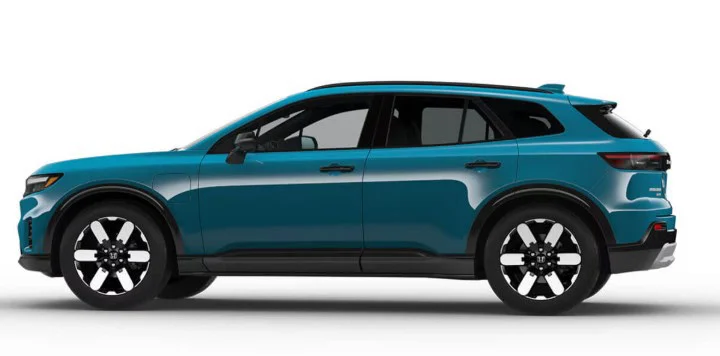
13. Hybrid and Electric Vehicle Regenerative Braking System Service
Category: Lower Priority – What is friction-cleaning for my regenerative braking system and how important is it for safe braking?
Idaho’s vehicle fleet is evolving. Hybrid and fully electric vehicles are increasingly common on Pocatello’s roads, and their brake systems require maintenance approaches that differ meaningfully from conventional vehicles. Regenerative braking — the system by which hybrid and electric vehicles recover kinetic energy and convert it back to electrical energy during deceleration — handles the majority of routine slowing in typical driving. Conventional friction brakes are engaged primarily for harder stops and emergency braking. The consequence of this reduced friction brake use is counterintuitive: because the rotors and calipers are used less frequently, they are more vulnerable to corrosion. Brake rotors that do not receive regular friction-cleaning contact develop oxide layers that can eventually compromise pad-to-rotor contact quality. Caliper slide pins and piston seals that go uninspected and unlubricated in low-use conditions develop corrosion and seizure that goes undetected until a hard brake application reveals the problem. Tesla’s own maintenance guidelines recommend annual brake service for its vehicles specifically to address this corrosion risk, regardless of mileage. [16]
Pocatello’s cold, humid winters accelerate the corrosion problem that regenerative braking creates for hybrid and EV owners. A Pocatello resident who commutes daily in a Toyota Prius or Chevrolet Volt on the Quinn Road and I-15 corridor — rarely engaging friction brakes hard enough to clean the rotor surface — is allowing oxide buildup to develop on their rotors through every Idaho winter. The freeze-thaw cycling that affects all vehicle brake systems hits hybrid rotors particularly hard, because these rotors are rarely heated to the temperatures that would burn off moisture and prevent deep surface corrosion. A hybrid owner whose vehicle sits outside in the Chubbuck residential areas north of Quinn Road through a wet Pocatello spring may develop rotor rust significant enough to affect braking feel and pad seating. Grease Monkey on West Quinn Road is equipped to service both conventional and hybrid/EV brake systems, providing the annual inspection and caliper service that hybrid manufacturers themselves recommend but many owners defer.
If you drive a hybrid or electric vehicle, “low brake use” is not the same as “no brake wear” — and in Pocatello’s corrosive winters, it may actually mean more brake problems, not fewer. The Grease Monkey team on West Quinn Road understands the unique maintenance needs of regenerative braking systems and can prevent the caliper seizure and rotor corrosion that low-use brake components develop in Idaho’s climate. [Your hybrid’s brakes need love too — especially in Pocatello winters — visit https://www.greasemonkey.com/locations/id/pocatello/710-west-quinn-rd/ for a hybrid-specific brake inspection and service today.]
14. Environmental Stewardship and Brake System Responsibility in the Snake River Plain
Category: Lower Priority – How can I be more environmentally responsible as to caring for and servicing my vehicle’s brakes?
Vehicle brake systems generate two categories of environmental output that Pocatello-area residents have a direct interest in minimizing. The first is brake dust: fine particulate matter shed from brake pad friction material with every stop, containing metallic compounds including copper, zinc, and iron. Research from environmental agencies documents that brake dust is a significant non-point source of heavy metal contamination in waterways adjacent to roads and parking areas. [17] The second is brake fluid: a glycol-ether based hydraulic compound classified as a hazardous waste that can contaminate soil and groundwater when improperly managed. Facilities that handle brake fluid without certified disposal protocols introduce this compound into the waste stream in ways that can reach groundwater. A licensed, professional service facility disposes of old brake fluid according to EPA and state environmental regulations — keeping it out of the soil and the regional water system. Choosing where you take your vehicle for brake service is, in a small but meaningful way, a choice about how you interact with your local environment.
The Snake River Plain aquifer — one of the most significant groundwater resources in the American West — underlies the landscape of southeastern Idaho, including the area beneath and around Pocatello. [17] The USGS has documented water quality concerns across the Snake River Plain aquifer system, and environmental research organizations have identified stormwater runoff from roads and parking areas as a contributor to heavy metal loading in Idaho waterways. For Pocatello residents who value the fishing waters of American Falls Reservoir and the agricultural aquifer system that supports Bannock County’s potato and grain economy, choosing a certified, professionally operated brake service facility is an expression of community environmental stewardship. Grease Monkey on West Quinn Road operates under the environmental standards required of a nationally franchised automotive service center, with proper fluid disposal and responsible parts handling as standard operating procedure.
Where you take your vehicle for brake service is a small decision with a real environmental consequence for the Snake River Plain and the water that Idaho depends on. Grease Monkey on West Quinn Road handles your brake fluid, old pads, and brake components with the environmental responsibility that a certified national service operation is required to maintain — keeping Pocatello’s corner of the Snake River Plain a little cleaner with every service visit. [Choose brake service that’s good for your vehicle and good for Idaho — visit https://www.greasemonkey.com/locations/id/pocatello/710-west-quinn-rd/ and trust your brakes to a team that takes its environmental responsibility as seriously as its technical work.]
15. Extended Vehicle Lifespan and the Compounding Value of Consistent Brake Care
Category: Long-Term Value – Is the long-term regular care of my vehicle’s brake system really that important?
Vehicle longevity is not accidental — it is the cumulative result of hundreds of maintenance decisions made over the life of a vehicle, each of which either protects or degrades the mechanical systems that determine how long and how reliably a vehicle performs. Brake system care is among the most leveraged of these decisions because brake neglect creates cascading damage to multiple expensive components simultaneously. A worn pad that scores a rotor damages the rotor surface, requiring resurfacing or replacement. A seized caliper that drags continuously generates heat that degrades adjacent wheel bearing grease and accelerates tire wear. Degraded brake fluid that allows vapor lock damages the master cylinder bore and potentially the ABS modulator through moisture-induced corrosion. Each of these secondary damages adds cost and reduces the vehicle’s functional lifespan. Conversely, a vehicle whose brake system is maintained consistently — pads replaced before metal contact, fluid flushed on schedule, calipers kept free and lubricated — protects its rotors, bearings, tires, and hydraulic components simultaneously, extending the functional life of all these interdependent systems. [18]
For Pocatello and Chubbuck residents who depend on their vehicles as working tools rather than discretionary assets — the ranch truck, the contractor’s van, the family SUV that hauls kids and groceries and camping gear and occasionally a loaded utility trailer to Scout Mountain — vehicle longevity is a direct financial interest. A vehicle that reaches 200,000 miles in reliable operating condition because of consistent maintenance represents tens of thousands of dollars in avoided replacement cost compared to a vehicle that reaches 120,000 miles in compromised condition because of deferred service. In a community where Idaho distances make vehicle reliability non-negotiable, and where new vehicle prices make replacement a significant financial event, the return on consistent brake maintenance is not abstract — it is measurable in years of continued service and in the higher trade-in or resale value that a well-documented service history commands. Grease Monkey on West Quinn Road, backed by FullSpeed Automotive’s national standards and the documentation integrity of a recognized franchise operation, provides the kind of professional brake service record that protects both the vehicle and its long-term financial value.The vehicle that lasts in Pocatello is the one whose owner treated its brake system as an investment rather than an expense — and in a community where your truck is your livelihood, that distinction matters. Every brake service at Grease Monkey on West Quinn Road adds a documented layer of protection to your vehicle’s mechanical future — and to its value when the time comes to sell or trade. [Invest in your vehicle’s next hundred thousand miles, one brake service at a time — visit https://www.greasemonkey.com/locations/id/pocatello/710-west-quinn-rd/ and let the Grease Monkey team start building your vehicle’s documented service legacy today.]
About Grease Monkey — West Quinn Road, Pocatello, Idaho
Grease Monkey | 710 West Quinn Road, Pocatello, ID 83201 https://www.greasemonkey.com/locations/id/pocatello/710-west-quinn-rd/
Grease Monkey at 710 West Quinn Road serves the drivers of northern Pocatello, Chubbuck, and the broader Bannock County community with professional brake service, oil changes, tire rotations, and complete vehicle maintenance — delivered by ASE-certified technicians who understand what Idaho’s roads demand. As a flagship brand of FullSpeed Automotive — one of the nation’s largest automotive aftermarket service franchisors, with over 930 locations, $542 million in annual revenue, and 5.2 million vehicles serviced in 2025 — Grease Monkey brings national-level technical standards and training to the Quinn Road community. When Idaho winters, agricultural distances, and the demands of everyday Bannock County life test your vehicle’s brake system, the team at Grease Monkey on West Quinn Road is the local answer backed by national expertise.
Author Information
Author Bio – Phillip Paul Gilliam
Phillip Gilliam is a veteran journalist and former Editor-in-Chief with 50+ years of publishing experience and thousands of published articles. Specializing in automotive, trucking, and digital publishing, he creates authoritative, search-optimized content built on real-world expertise and editorial excellence. To learn more about Phil, visit http://www.phillipgilliam.com/about.html or contact Phil at [email protected]. He would love to hear from you!
Full Citation List
[1] Best Places / NOAA Repository. Pocatello, ID Climate and Climate of Pocatello, Idaho. Available at: https://www.bestplaces.net/climate/city/idaho/pocatello and https://repository.library.noaa.gov/view/noaa/14728. (Pocatello elevation: 4,462 feet; average annual snowfall: 49 inches; January average low temperature: 17.8°F; April is the month with highest average snowfall.)
[2] CN Brake Cylinder / Helpy Mechanic. What Happens If a Master Cylinder Breaks? Symptoms, Risks & Repair Costs and Brake Master Cylinder Failure: Signs You Should Never Ignore. Available at: https://www.cnbrakecylinder.com/what-happens-if-a-master-cylinder-breaks/ and https://helpymechanic.com/brake-master-cylinder-signs-you-shouldt-ignore/. (Master cylinder failure can cause complete loss of braking ability without warning; replacement costs $450–$1,000 for most domestic vehicles.)
[3] National Institutes of Health / PMC. Emergency Braking in Adults Versus Novice Teen Drivers: Response to Simulated Sudden Driving Events. Available at: https://pmc.ncbi.nlm.nih.gov/articles/PMC4690537/. (Inexperienced teen drivers braked 50% less effectively than experienced adults in simulated emergency braking scenarios.)
[4] Centers for Disease Control and Prevention (CDC). Risk Factors for Teen Drivers. Available at: https://www.cdc.gov/teen-drivers/risk-factors/index.html. (Motor vehicle crashes are the leading cause of death for teenagers in the United States; distraction is a factor in nearly 60% of moderate-to-severe teen crashes.)
[5] Pocatello-Chubbuck Chamber of Commerce / City of Pocatello. Pocatello-Chubbuck Community Overview. Available at: https://www.pocatelloidaho.com/. (Pocatello/Chubbuck School District 25 serves approximately 12,500 students in the greater Pocatello area.)
[6] National Safety Council. Driving at Night. Available at: https://www.nsc.org/road/safety-topics/driving-at-night. (Only 25% of driving occurs at night, but approximately 50% of traffic deaths happen in darkness; fatal crash risk is four times higher at night than during daylight.)
[7] ResearchGate / Arrive Alive. Straight Line Stopping Distances Observed on Loose Gravel and Safe Driving on Gravel Roads. Available at: https://www.researchgate.net/figure/Straight-line-stopping-distances-observed-on-loose-gravel-Test-vehicles-were-fully-laden_fig7_237269602 and https://www.arrivealive.mobi/safe-driving-on-gravel-roads. (Stopping distance on loose gravel increases by an average of 27.2% compared to dry paved surfaces.)
[8] The Car Buzz / Steve’s Car Care Milford. Emergency Brake Not Working? Here’s Why — And What It Costs to Fix and Emergency Brake Function Explained: Ultimate Safety Guide. Available at: https://www.thecarbuzz.com/emergency-brake-not-working and https://stevescarcaremilford.com/blog/emergency-brake-function-explained/. (Water infiltrates parking brake cable housing, freezes overnight, and renders cable immovable; parking brake that worked in October may be frozen or nonfunctional by April after winter exposure.)
[9] Rubber Brake Hose Reference / InstantCarFix. Symptoms of Collapsed Brake Hose: Early Warning Signs Every Vehicle Owner Should Know and Brake Hoses Explained: Symptoms, Costs, Replacement. Available at: https://www.rubberbrakehose.com/Solution/SymptomsofCollapsedBrakeHose:EarlyWarningSignsEveryVehicleOwnerShouldKnow.html and https://www.instantcarfix.com/services/brake-hose. (Internal brake hose collapse causes one-way fluid restriction; calipers remain engaged after pedal release; vehicle pulls to affected side during braking; hose may appear intact externally.)
[10] European Road Safety Observatory / IIHS. Anti-Lock Braking Systems in Cars (ABS). Available at: https://road-safety.transport.ec.europa.eu/european-road-safety-observatory/statistics-and-analysis-archive/esafety/esafety-measures-known-safety-effects/anti-lock-braking-systems-cars-abs_en. (ABS pulse rate 10–15 times per second; illuminated ABS warning light indicates system requires professional attention; sensor damage from road debris, salt, and brake dust degrades signal accuracy.)
[11] AAA / NHTSA. Pre-trip vehicle inspection recommendations. General automotive reference consistent with AAA and NHTSA published pre-trip safety guidance. (Both AAA and NHTSA identify brake system condition as a primary pre-departure inspection item for long-distance travel; vehicles adequate for local use may fail under sustained high-speed highway demands.)
[12] Engineering reference / Automotive Fleet. Altitude engine and brake performance at elevation. (At 4,462 feet, air density is approximately 15–20% lower than at sea level, reducing convective brake cooling efficiency and narrowing thermal margin before brake fade onset.)
[13] Federal Motor Carrier Safety Administration (FMCSA). Large Truck Crash Causation Study and commercial vehicle brake regulations. Available at: https://www.fmcsa.dot.gov/safety/research-and-analysis/large-truck-crash-causation-study-analysis-brief. (FMCSA creates explicit legal liability for commercial vehicle operators with documented brake deficiencies; civil negligence findings can result from evidence of known brake deficiency in crash investigations.)
[14] Continental Tires / Lassa Tires. What Is Braking Distance and Understanding Stopping Distances and Braking Distance. Available at: https://www.continental-tires.com/tire-knowledge/braking-distance/ and https://www.lassa.com/understanding-stopping-distances-and-braking-distance. (Wet road conditions can double total stopping distance compared to dry pavement at equivalent speeds; slush creates variable friction with embedded near-zero traction patches.)
[15] Automotive handling dynamics reference. Brake force asymmetry and vehicle yaw behavior. General engineering reference consistent with SAE technical literature on vehicle dynamics during asymmetric braking events. (Asymmetric brake force amplifies lateral wind-induced yaw; risk highest during combined crosswind and emergency braking conditions on open highway.)
[16] The Brake Report / Tire Review. Maintaining Regenerative, Traditional EV, HEV Brake Systems and Regenerative Braking and Rear Brake Corrosion Explained. Available at: https://thebrakereport.com/maintaining-regenerative-traditional-ev-hev-brake-systems/ and https://www.tirereview.com/regenerative-braking-rear-brake-corrosion/. (Reduced friction brake use in EVs/hybrids allows rotor corrosion and caliper pin seizure; Tesla recommends annual brake service regardless of mileage to address corrosion risk.)
[17] Idaho Conservation League / USGS / EPA. Snake River Water Quality in the Spotlight and Snake River Plain Aquifer. Available at: https://idahoconservation.org/blog/snake-river-water-quality/ and https://www.isu.edu/digitalgeologyidaho/srp-aquifer/. (Snake River Plain aquifer underlies southeastern Idaho including Pocatello; stormwater runoff from roads identified as contributor to heavy metal loading; brake dust is documented non-point source of copper and zinc contamination in adjacent waterways.)
[18] Clement Pre-Owned / Use Tended. How Regular Car Maintenance Protects Resale Value and How Maintenance Records Increase Your Car’s Resale Value. Available at: https://clementpreowned.com/blog/how-regular-car-maintenance-protects-your-vehicle-s-resale-value and https://app.usetended.com/guides/maintenance-records-increase-resale-value. (Consistent brake maintenance prevents cascading component damage; documented service history adds 10–20% to used vehicle resale value; brake neglect creates secondary damage to rotors, bearings, tires, and hydraulic components simultaneously.)
© 2026 Grease Monkey, Written by, Phillip Paul Gilliam. All rights reserved. Published in partnership with Grease Monkey, 710 West Quinn Road, Pocatello, Idaho 83201. Content is for informational purposes and reflects current industry research and local geographic conditions. Brake service intervals and recommendations may vary by vehicle make, model, and driving conditions. Consult a certified technician for vehicle-specific recommendations.
Stop by today.
- Grease Monkey Center #544 Address: 710 West Quinn Rd, Pocatello, ID, 83201
- Services: Air Conditioning Services, Battery Services, Brake Services, Car Wash Services, Engine Services, Filter Services, Fluid Exchange Services, Headlight Services, Oil Changes, Power Steering, Tire Services, Transmission Services, Wiper Replacement Services
Your car will thank you. And your wallet will too.

Plan Your Visit
Find a location near you, explore current deals, and get everything you need before you roll in.