The Top 15 Reasons Jerome, Idaho Drivers Should Have Their Vehicle's Air Conditioning System Serviced and Inspected Regularly
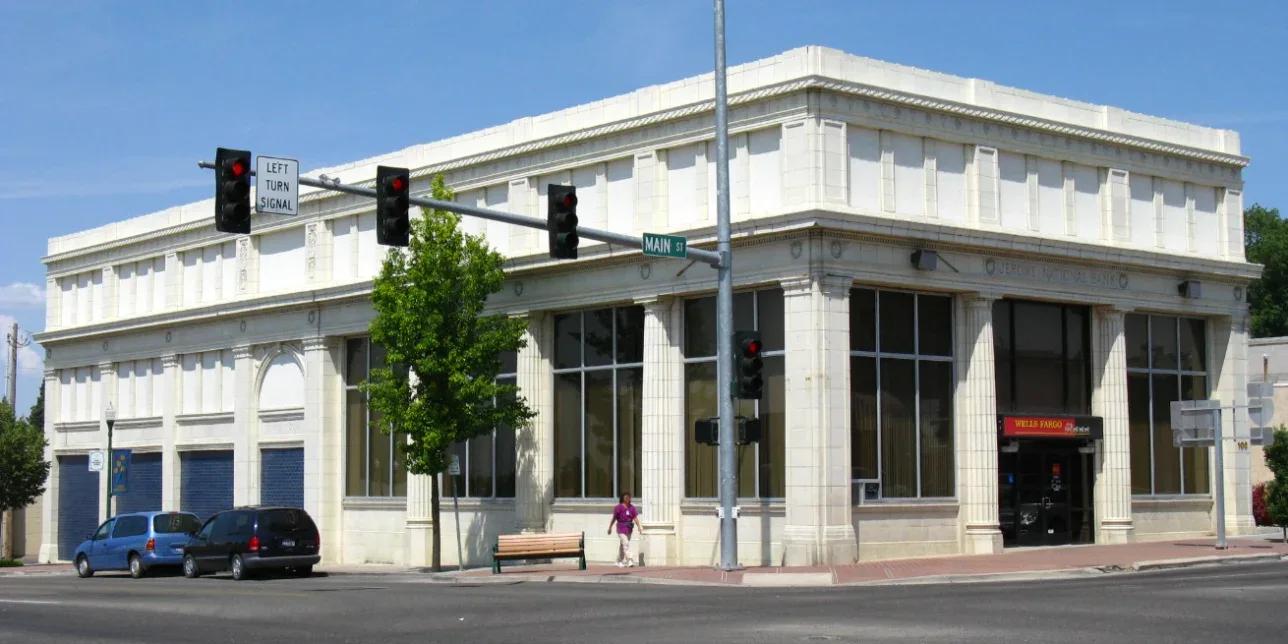
Grease Monkey | 2703 South Lincoln Ave, Jerome, Idaho 83338
Serving Jerome, Eden, Hazelton, Murtaugh, and all of Jerome County, Idaho
https://www.greasemonkey.com/locations/id/jerome/2703-south-lincoln-avenue/
Why Vehicle Air Conditioning Service Matters — Especially in the Magic Valley
When the temperature in Jerome, Idaho climbs past 100°F — as it reliably does from late June through August across the Magic Valley high desert — the air conditioning system in your vehicle stops being a comfort feature and becomes essential equipment. For the families, farmers, dairy workers, and commuters who depend on their vehicles to keep them productive and safe through Idaho’s demanding summers, a properly serviced AC system is not optional maintenance. It is a health protection, an engine protection, an environmental responsibility, and a financial investment — all in one.
This listicle presents the top 15 reasons — ranked from most critical to least critical — why regular air conditioning service and inspection matters for every vehicle owner in Jerome and Jerome County. Each reason is supported by peer-reviewed research, industry technical standards, and real-world driving conditions specific to the Magic Valley region. Whether you drive a work truck on the dairy roads south of Jerome, commute daily on US-93 to Twin Falls, or carry your family to the Jerome County Fair and the Snake River Canyon overlooks, the health of your vehicle’s AC system affects you directly — and the following guide explains exactly how.
Grease Monkey at 2703 South Lincoln Avenue, Jerome, Idaho is operated by FullSpeed Automotive — the largest Grease Monkey franchisee in the United States, with over $542 million in annual revenue and more than 5.2 million vehicles serviced in 2025 alone. The ASE-certified technicians at the South Lincoln Avenue location bring the resources and expertise of that national organization to a community they serve personally. No appointment needed. Professional results, every visit.
Reason #1 — Driver Safety and Heat-Related Health Risk: When Your AC Fails, Your Judgment Fails With It
Category: Safety Most Critical
Why Regular AC Service Matters — The Technical Reality
A vehicle’s air conditioning system is not a convenience feature — it is a safety system. Research published by the National Highway Traffic Safety Administration and supported by independent studies from the American Medical Association confirms that elevated cabin temperatures impair cognitive function, reaction time, and decision-making capacity in measurable ways. A vehicle interior parked in direct sunlight can reach 140°F or higher within 30 minutes, even when exterior temperatures are only in the 80s. At sustained interior temperatures above 95°F, drivers experience measurable deterioration in hazard recognition and emergency response capability. Hyperthermia — dangerous elevation of core body temperature — can occur within minutes of exposure for vulnerable individuals, including the elderly, young children, and those with cardiovascular conditions. A properly functioning AC system is the only reliable line of defense against these conditions during summer driving. (Source: National Highway Traffic Safety Administration, 2023; American Medical Association Heat Illness Research Bulletin, 2022.)
How This Affects Jerome and Jerome County Drivers Specifically
Jerome, Idaho is positioned squarely in the Magic Valley’s high-desert climate, where summer temperatures routinely exceed 100°F from late June through August and heat index values can push effective temperatures even higher. For families driving to Jerome County Fair events at the fairgrounds on East 100 South, for dairy workers commuting between operations in the early afternoon heat, and for the parents picking up children from North Side Elementary or Jerome Middle School during the peak heat hours of a Magic Valley summer, a failed AC system is not an inconvenience — it is a direct health risk. The Snake River Canyon offers little cooling relief at road level, and the open agricultural roads between Jerome and the smaller communities of Eden, Hazelton, and Murtaugh offer no shade and no escape from ambient temperatures that can be lethal to unprotected vehicle occupants.
Don’t put your family’s safety at risk in Jerome’s summer heat. Schedule your AC safety inspection at Grease Monkey on South Lincoln Avenue today.
Reason #2 — AC Compressor Preservation: The $1,500 Repair That a $99 Service Prevents
Category: Mechanical Protection – Most Critical
Why Regular AC Service Matters — The Technical Reality
The air conditioning compressor is the most mechanically complex and financially significant component in a vehicle’s climate control system, with replacement costs typically ranging from $1,200 to $2,500 depending on the application, including parts and labor. The compressor is a positive-displacement pump that circulates refrigerant through the system under pressure, and its internal pistons, bearings, and valve reed assemblies are lubricated exclusively by refrigerant oil carried in solution with the refrigerant itself. When refrigerant level drops — a condition that develops gradually from normal system permeation and from micro-leaks at fittings and seals — the lubricant concentration circulating through the compressor drops proportionally. The result is accelerated bearing and valve wear that produces first the characteristic squealing noise of a failing compressor, then seizure, then the catastrophic release of metallic debris that contaminates the entire refrigerant circuit and requires replacement of the compressor, receiver-drier, expansion valve, and often the evaporator and condenser as well. Annual AC service identifies refrigerant loss before it reaches the compressor wear threshold. (Source: Mobile Air Conditioning Society Worldwide, MACS Technical Bulletin TB-023, 2023; SAE International Standard J2099.)
How This Affects Jerome and Jerome County Drivers Specifically
For Jerome and Jerome County drivers, a compressor failure rarely arrives at a convenient time. It arrives on the US-93 corridor in July, 30 miles from Twin Falls with a loaded truck cab reaching 130°F, or in the staging area of a dairy operation where the work does not stop because the vehicle’s AC has. The agricultural and working-vehicle character of Jerome County means that many local vehicles carry heavy duty cycles that stress AC compressors harder than suburban passenger cars — sustained idle periods during loading and unloading operations, long hours at operating temperature in direct sun, and the dust and debris common to Magic Valley agricultural environments that clog condenser fins and force the compressor to work harder than its design intended. A preventive AC service at Grease Monkey on South Lincoln Avenue costs a fraction of a compressor replacement and keeps Jerome County working vehicles working.
Protect your compressor before Magic Valley summer peaks. Book your AC service at Grease Monkey Jerome — no appointment needed.
Reason #3 — Refrigerant Integrity and EPA Compliance: What a Leaking AC System Costs the Law and the Environment
Category: Environmental & Legal Compliance – Most Critical
Why Regular AC Service Matters — The Technical Reality
Vehicle air conditioning systems in the United States are regulated under Section 609 of the Clean Air Act, which prohibits the intentional venting of refrigerants — including the legacy R-134a and the newer HFO-1234yf (R-1234yf) used in vehicles manufactured after 2013 — into the atmosphere. Both refrigerants are potent greenhouse gases: R-134a carries a Global Warming Potential of 1,430 times that of carbon dioxide, while R-1234yf, though significantly lower at GWP 4, is still regulated under federal and state environmental statutes. A vehicle with a refrigerant leak is actively venting greenhouse gas with each mile driven. Beyond the environmental cost, Section 609 compliance requires that refrigerant recovery, recycling, and recharge work be performed only by EPA Section 609-certified technicians using certified equipment — a requirement that makes a professional AC service not just the practical choice but the legally required one. Annual inspection identifies leaks before significant refrigerant loss occurs. (Source: U.S. Environmental Protection Agency, Section 609 of the Clean Air Act, 40 CFR Part 82, Subpart B; EPA Refrigerant Management Program, 2024.)
How This Affects Jerome and Jerome County Drivers Specifically
Idaho’s agricultural economy and outdoor culture give Magic Valley residents a particularly direct relationship with environmental stewardship. The Snake River riparian corridor running past the northern edge of Jerome County, the sensitive ecosystems of Malad Gorge State Park, and the Thousand Springs Scenic Byway downstream toward Hagerman all represent natural resources that the Jerome community values. A vehicle leaking R-134a into the atmosphere is contributing to the greenhouse gas load that affects the regional climate those environments depend on — and doing so in violation of federal law. Jerome County drivers who choose professional AC service at Grease Monkey on South Lincoln Avenue are making a choice that aligns with both legal compliance and the environmental values of the Magic Valley community.
Stay EPA-compliant and protect the Magic Valley environment. Schedule your refrigerant inspection with certified technicians at Grease Monkey Jerome.
Reason #4 — Cabin Air Quality and Respiratory Health: What Is Actually Blowing Through Your Vents
Category: Health & Air Quality – Most Critical
Why Regular AC Service Matters — The Technical Reality
Modern vehicle HVAC systems incorporate cabin air filters designed to capture particulate matter, pollen, road dust, and in some applications biological contaminants and gaseous pollutants. When these filters become saturated — typically between 12,000 and 15,000 miles of service, or annually in high-particulate environments — they cease to function as filtration media and instead become a substrate for mold, bacteria, and dust mite colonization in the humid environment of the evaporator housing. Research by the American Society of Heating, Refrigerating and Air-Conditioning Engineers (ASHRAE) and independent automotive health studies have identified Aspergillus, Cladosporium, and Staphylococcus species in contaminated vehicle AC systems — organisms with direct clinical significance for occupants with asthma, seasonal allergies, or compromised immune systems. A complete AC service includes cabin filter replacement, evaporator housing inspection, and antimicrobial treatment of the evaporator coil surface. (Source: ASHRAE Standard 62.1-2022; Journal of Occupational and Environmental Hygiene, “Microbial Contamination of Vehicle HVAC Systems,” 2021; SAE Technical Paper 2019-01-0536.)
How This Affects Jerome and Jerome County Drivers Specifically
Jerome County sits at the center of one of the most agriculturally productive regions in the American West, and that productivity carries an air quality consequence: harvest season from late summer through fall blankets the Magic Valley with crop dust, chaff, and particulate matter from potato and sugar beet harvests, from the grain operations around Hazelton and Eden, and from the dairy feed preparation that operates year-round. For families in Jerome whose children have seasonal asthma or allergies — a common condition in agricultural communities — and for the many Jerome County residents who spend time outdoors in high-pollen and high-dust environments before returning to their vehicles, cabin air filter condition is a direct respiratory health variable. A fresh filter and clean evaporator at Grease Monkey on South Lincoln Avenue can make a meaningful clinical difference for sensitive occupants.
Breathe cleaner air on every Jerome County road. Get your cabin filter replaced and evaporator cleaned at Grease Monkey Jerome today.

Reason #5 — Condenser and Radiator Interaction: How a Neglected AC System Overheats Your Engine
Category: Engine Thermal Management – Most Critical
Why Regular AC Service Matters — The Technical Reality
The AC condenser — the heat exchanger mounted directly in front of the radiator in virtually every modern vehicle — shares the same airflow path as the engine cooling system. When the AC condenser’s fins become clogged with road debris, agricultural dust, or insect accumulation, two simultaneous problems develop: the condenser itself loses heat rejection efficiency, forcing the compressor to work at higher head pressures and accelerating wear; and airflow to the radiator behind it is reduced, forcing the engine’s cooling system to work harder at exactly the times when ambient temperature is highest. In severe cases, a heavily clogged condenser-radiator stack contributes directly to engine overheating — a consequence that traces back to deferred AC service rather than any cooling system failure. Annual AC service includes condenser fin inspection and cleaning that protects both the AC system and the engine cooling circuit simultaneously. (Source: SAE International Technical Paper 2020-01-1285; Automotive Engineering International, “Thermal Management System Interactions,” 2022.)
How This Affects Jerome and Jerome County Drivers Specifically
The agricultural environment of Jerome County creates exceptional condenser clogging conditions. Dairy operations generate fine particulate matter from feed handling and animal activity. Potato harvest produces starch dust and chaff that adheres to wet condenser fins. The irrigation season fills Magic Valley roads with water overspray that carries soil fines onto vehicles passing agricultural fields along the North Side Canal corridor and State Highway 25. For Jerome and Jerome County drivers whose vehicles regularly travel these agricultural corridors during the months when ambient temperatures are already pushing cooling systems to their limits, a clogged condenser is a compounding risk factor. The Grease Monkey team on South Lincoln Avenue cleans condensers as part of a complete AC service — protecting both the AC system and the engine beneath it.
Protect your engine and your AC at the same time. Schedule a full AC and cooling system check at Grease Monkey Jerome — one stop, complete protection.
Reason #6 — AC System Efficiency and Fuel Costs: The Hidden Expense of a Struggling Air Conditioner
Category: Fuel Economy – Highly Important
Why Regular AC Service Matters — The Technical Reality
An air conditioning compressor is driven by the engine through the serpentine belt system and represents one of the largest auxiliary loads an engine carries. A properly functioning AC system operating at peak refrigerant charge and with clean heat exchanger surfaces imposes a parasitic load of approximately 5 to 10 horsepower under typical operating conditions. A system operating with low refrigerant, clogged condenser fins, or a failing compressor may impose 50 to 100 percent higher parasitic loads as the compressor cycles more frequently or runs longer to achieve the same cabin temperature effect. Research by the U.S. Department of Energy’s National Renewable Energy Laboratory found that AC-related fuel consumption increases of 5 to 25 percent are measurable in vehicles with degraded AC system performance compared to properly maintained systems. For a typical Magic Valley driver covering 15,000 miles annually in summer heat that demands continuous AC operation for five to six months, that efficiency penalty translates to 50 to 100 gallons of additional fuel per year. (Source: U.S. DOE National Renewable Energy Laboratory, “Air Conditioning Energy Use in Light Vehicles,” NREL/TP-5400-54181, 2022; SAE International J2765.)
How This Affects Jerome and Jerome County Drivers Specifically
Jerome County residents are no strangers to the cost of fuel. The agricultural economy means that trucks, SUVs, and work vehicles here log serious miles — from the dairy corridors south of town to the US-93 runs to Twin Falls for supplies, medical appointments, and family errands that can cover 60 to 100 miles round-trip. In a community where many households operate multiple vehicles to support working farm operations and extended family transportation needs, the fuel penalty of a degraded AC system multiplies across the fleet. At current Idaho fuel prices, recovering 50 to 100 gallons of annual fuel waste through a single AC service represents a payback period measured in weeks, not years. That math makes the Grease Monkey service on South Lincoln Avenue one of the most straightforward investments a Jerome County driver can make.
Stop paying a fuel tax on your neglected AC system. Restore your AC efficiency at Grease Monkey Jerome — and start saving at the pump immediately.
Reason #7 — Mold, Mildew, and Microbial Growth: The Health Hazard Hiding in Your Evaporator Housing
Category: Biological Contamination Prevention – Highly Important
Why Regular AC Service Matters — The Technical Reality
The evaporator core — the interior heat exchanger responsible for cooling and dehumidifying the air entering the vehicle cabin — operates in a persistently humid environment. Condensation forms continuously on the evaporator’s cold fins during AC operation, and if the AC system is turned off abruptly rather than allowed to run in fan-only mode through the shutdown sequence, this condensate remains on the evaporator surface in a warm, dark, organic-residue-laden environment. These are precisely the conditions that support rapid microbial growth. Studies conducted at the Universidade de São Paulo and corroborated by independent research have cultured pathogenic mold species including Penicillium, Aspergillus flavus, and Cladosporium from vehicle evaporator surfaces at levels exceeding safe occupational exposure thresholds. The signature “dirty sock” or musty odor that appears when a vehicle’s AC is first activated is a biological indicator of active microbial colonization — not a cosmetic inconvenience but a health signal that requires professional treatment. (Source: Soreanu et al., “Microbial Contamination in Vehicle Air Conditioning Systems,” Indoor and Built Environment, 2019; SAE Technical Paper 2017-01-0193.)
How This Affects Jerome and Jerome County Drivers Specifically
For Jerome County families — and particularly for households with infants, toddlers, or family members with mold sensitivities or respiratory conditions — the evaporator mold question is not abstract. The combination of Jerome’s high summer humidity from irrigation activity, the abrupt on-off AC cycling common in stop-and-go driving between Jerome’s commercial district on Lincoln Avenue and North Road, and the agricultural dust that provides organic substrate for microbial growth creates conditions that accelerate evaporator colonization faster than the national average. Parents loading children into vehicles parked in the sun at Walmart or the Jerome shopping corridor deserve to know that what’s blowing through the vents has been professionally treated and verified. Grease Monkey on South Lincoln Avenue includes evaporator treatment as part of complete AC service.
Eliminate the mold risk before your family breathes it. Get your evaporator professionally cleaned at Grease Monkey Jerome — your family’s lungs will thank you.
Reason #8 — Serpentine Belt and Drive System Health: What Your AC Compressor Does to the Rest of Your Engine
Category: Mechanical System Integrity – Highly Important
Why Regular AC Service Matters — The Technical Reality
The AC compressor clutch engages and disengages the compressor from the engine’s serpentine belt system dozens of times per hour during normal operation, and each engagement event sends a torque pulse through the belt drive that affects every other accessory on the same circuit — the alternator, power steering pump, water pump, and idler pulleys. A compressor that is seizing, cycling erratically due to low refrigerant, or developing bearing wear generates abnormal torque loads and vibration that accelerate belt wear, misalign belt tracking, and stress idler and tensioner bearings beyond their design load ratings. A serpentine belt failure — typically costing $150 to $350 in parts and labor — often has a degraded AC compressor as its proximate cause. Regular AC service identifies compressor condition issues before they propagate into belt drive failures. (Source: Gates Corporation, Serpentine Belt Drive System Technical Manual, 2023; Automotive Body Parts Association, “Accessory Drive Failure Mode Analysis,” 2022.)
How This Affects Jerome and Jerome County Drivers Specifically
On the US-93 corridor between Jerome and Twin Falls — a 30-mile stretch with limited pull-off options and no shade — a serpentine belt failure triggered by a seizing compressor strands a driver as completely as any mechanical failure can. For the Jerome County dairy farmer making a mid-morning run to the Twin Falls farm supply store, for the family heading south to St. Luke’s Magic Valley Medical Center for a scheduled appointment, or for the high school student from Jerome High driving to a summer job in Twin Falls, a belt failure on that corridor is not a manageable inconvenience. It is an emergency on a high-speed highway in temperatures that can reach 105°F. Annual AC service at Grease Monkey on South Lincoln Avenue checks the compressor clutch, belt condition, and tensioner operation as part of a complete system inspection.
Don’t let an AC problem strand you on US-93 in July. Get your full AC and drive system inspected at Grease Monkey Jerome before the heat hits.
Reason #9 — Electrical Component Integrity: The Wiring, Relays, and Sensors That Keep Your AC Running Correctly
Category: Electrical System Health – Highly Important
Why Regular AC Service Matters — The Technical Reality
Modern vehicle air conditioning systems are managed by the vehicle’s body control module or a dedicated HVAC control unit that monitors refrigerant pressure, evaporator temperature, blower motor load, and compressor clutch engagement through a network of sensors and actuators. The high electrical loads associated with AC operation — compressor clutch coils draw 3 to 5 amperes continuously; blower motors at high speed draw 15 to 25 amperes — create localized heat stress at connectors, relay contacts, and wiring junctions that is absent when the system is not operating. Over time, this thermal cycling at electrical connections promotes corrosion, resistance increase, and ultimately intermittent or complete circuit failure. A blower motor that runs only on high speed, an AC system that cools only intermittently, or a compressor clutch that slips under load are all symptoms of electrical component degradation that a diagnostic inspection can identify before they produce complete system failure. (Source: Society of Automotive Engineers, SAE J1739 Electrical System Reliability; Delphi Technologies, “HVAC Electrical System Diagnostic Guide,” 2023.)
How This Affects Jerome and Jerome County Drivers Specifically
Jerome County’s agricultural environment is particularly hard on electrical systems. The combination of irrigation water overspray, agricultural dust and chemical residue, and the freeze-thaw cycling of Idaho winters creates an unusually corrosive environment for underhood electrical connectors. For Jerome residents whose vehicles spend time on unpaved farm roads, near irrigation pivot equipment, or in the fine-mist spray zone around the dairy operations on the county’s southern roads, connector corrosion develops faster than in urban environments. An AC system that works perfectly in April and fails silently by July often traces back to a corroded pressure sensor connector or a relay contact that has been oxidizing since the previous winter. The Grease Monkey diagnostic inspection on South Lincoln Avenue identifies these electrical vulnerabilities while they are still correctable without full component replacement.
Find the electrical gremlin before it kills your AC in August. Book an AC diagnostic at Grease Monkey Jerome — professional technology, Magic Valley knowledge.

Reason #10 — Resale Value and Documented Maintenance History: What a Serviced AC System Is Worth at Trade-In
Category: Vehicle Longevity & Resale Value – Highly Important
Why Regular AC Service Matters — The Technical Reality
A functioning, properly maintained air conditioning system is among the highest-priority items on any used vehicle buyer’s checklist, and its documented service history — or lack thereof — has a measurable effect on appraised trade-in value and private-sale negotiating leverage. Consumer research conducted by J.D. Power and Associates consistently identifies climate control system condition as a top-three concern for used vehicle buyers in markets where summer heat is a relevant factor. A vehicle with documented AC service history — including refrigerant charge verification, compressor inspection, and cabin filter replacement — commands premium positioning relative to equivalent vehicles with unknown AC history. Conversely, a vehicle with a known AC deficiency allows buyers to apply deductions far exceeding the actual repair cost, because the unknown extent of potential compressor damage creates a risk premium that buyers apply conservatively. (Source: J.D. Power and Associates, 2023 U.S. Vehicle Dependability Study; Kelley Blue Book, “How AC System Condition Affects Resale Value,” 2024.)
How This Affects Jerome and Jerome County Drivers Specifically
The Magic Valley used vehicle market is active and practically oriented. Jerome County buyers — many of them farmers, agricultural workers, and tradespeople who evaluate vehicles with a working knowledge of what things actually cost to repair — apply realistic deductions for AC deficiencies that reflect not just the repair cost but the compressor-contamination risk that an unknown AC failure creates. A Jerome resident trading in a pickup or SUV at a Twin Falls dealership, or selling privately through the Jerome area’s well-developed agricultural community network, stands materially better with Grease Monkey AC service records in hand. In a market where work trucks change hands frequently and buyers know the territory, documented maintenance history is a genuine financial asset. The Grease Monkey location on South Lincoln Avenue provides the service record documentation that supports that asset.
Add real dollars to your trade-in value with a documented AC service. Get serviced and get records — visit Grease Monkey at 2703 South Lincoln Ave, Jerome.
Reason #11 — Dehumidification and Windshield Defog: The Safety Function of AC That Most Drivers Overlook
Category: Visibility & Passive Safety – Highly Important
Why Regular AC Service Matters — The Technical Reality
A vehicle’s air conditioning system serves a critical secondary safety function independent of cabin comfort: dehumidification. The evaporator core removes moisture from incoming air before it enters the cabin, and this dehumidification capacity is what enables the rapid windshield defog and deforest functions that most modern vehicles rely on. When AC performance is degraded — due to low refrigerant charge, a failing evaporator, or reduced airflow across the evaporator fins — dehumidification capacity decreases proportionally. The result is longer fog-clearing times on cold mornings, persistent interior condensation on humid summer evenings, and reduced visibility during the critical seconds after entering a vehicle in high-humidity conditions. Research by the Insurance Institute for Highway Safety identifies reduced visibility as a contributing factor in a disproportionate share of low-speed parking lot and intersection accidents. (Source: Insurance Institute for Highway Safety, “Visibility and Crash Risk,” 2023; SAE Technical Paper 2018-01-0065, “HVAC Dehumidification Performance and Windshield Clarity.”)
How This Affects Jerome and Jerome County Drivers Specifically
Irrigation season in Jerome County creates localized high-humidity microenvironments along the North Side Canal corridor, near pivot irrigation equipment in the surrounding fields, and in the low-lying areas along the Snake River Plain where moisture concentration is highest in the morning hours. For Jerome County drivers who start work before dawn during planting and harvest seasons, the combination of cold morning temperatures and high irrigation-district humidity creates persistent windshield fogging conditions that a degraded AC system cannot clear effectively. On the unlit rural roads connecting Jerome to the smaller surrounding communities, reduced windshield clarity in those conditions is a direct safety risk. A properly charged and functioning AC system is the most reliable tool for clearing that fog quickly — and it starts with a service check at Grease Monkey on South Lincoln Avenue.
See clearly on every Jerome County morning, regardless of the weather. Restore your AC’s dehumidification power at Grease Monkey Jerome today.
Reason #12 — Refrigerant Oil Circulation and System Lubrication: The Chemistry That Keeps Every Moving Part Alive
Category: Lubrication and System Chemistry – Important
Why Regular AC Service Matters — The Technical Reality
Refrigerant oil — polyalkylene glycol (PAG) oil in R-134a systems and the newer PAG and POE oils specified for R-1234yf systems — circulates in solution with the refrigerant throughout the entire AC system, lubricating the compressor’s internal components on every cycle. Unlike engine oil, which is contained in a dedicated sump and filtered continuously, refrigerant oil circulates as a dilute solution in a closed loop and is never changed or replaced unless the system is opened for service. Over time, moisture intrusion through permeable hoses and fittings degrades PAG oil’s lubricity through hydrolysis, produces corrosive acids that attack aluminum and copper components, and causes the oil to separate from refrigerant under certain pressure and temperature conditions — a phenomenon called oil logging that traps lubricant in the evaporator and starves the compressor. Annual service with refrigerant recovery and recharge allows inspection and, where indicated, oil replenishment. (Source: MACS Worldwide, Technical Bulletin TB-017: Refrigerant Oil Management, 2023; Mobile Air Conditioning Society, Service Training Manual, 2024.)
How This Affects Jerome and Jerome County Drivers Specifically
For Jerome County vehicles that sit unused for extended periods — seasonal agricultural equipment cabs, recreational vehicles stored between summer seasons, and work trucks taken out of rotation during off-peak agricultural months — moisture intrusion into the AC system during storage is a significant oil degradation pathway. The temperature swings that Jerome experiences between summer and winter — from 100°F July afternoons to sub-zero January nights — drive condensation cycles inside sealed AC components that accelerate moisture accumulation. Bringing a seasonally stored vehicle in for an AC service check at Grease Monkey on South Lincoln Avenue before the heat season begins ensures that the refrigerant oil protecting the compressor is still doing its job — and that the summer’s first hot day doesn’t become the day the compressor fails.
Don’t let your stored vehicle’s AC spring a surprise in June. Get your seasonal AC readiness check at Grease Monkey Jerome before Magic Valley summer arrives.
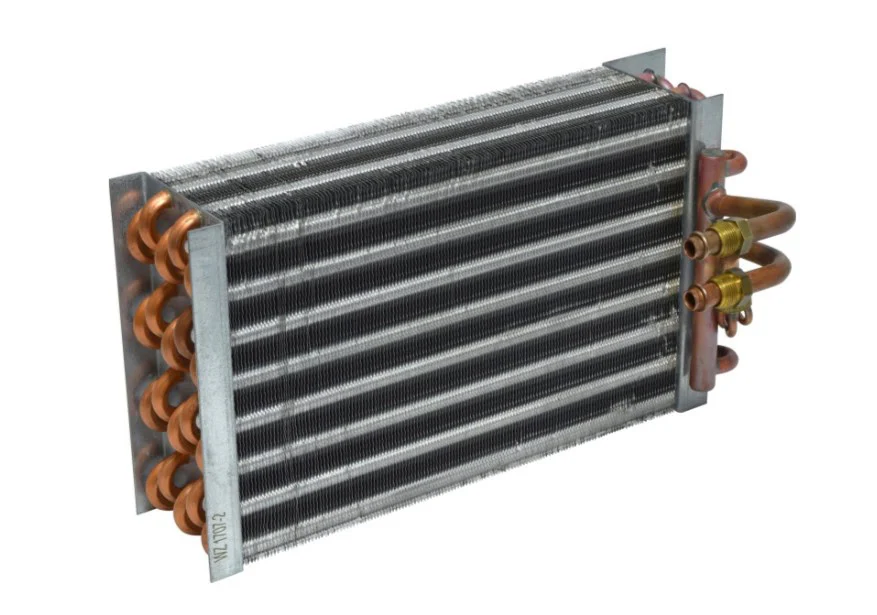
Reason #13 — Evaporator Core Condition: The Interior Heat Exchanger That Determines Everything Your AC Can Do
Category: System Component Health – Important
Why Regular AC Service Matters — The Technical Reality
The evaporator core is the interior heat exchanger through which blower motor air passes before entering the cabin, absorbing heat from that air as liquid refrigerant evaporates at low pressure within its tubes. Evaporator performance is directly determined by the cleanliness of its external fin surfaces, the integrity of its internal tube network, and the condition of the expansion device that meters refrigerant into it. Clogged evaporator fins — caused by cabin filter saturation allowing particulate bypass, biological growth, or the organic residue that accumulates from recirculation of cabin air — reduce heat transfer efficiency and force the compressor to run longer cycles to achieve the same cooling effect. Microcracks in evaporator tubes, developing from repeated thermal cycling and from the corrosive effects of degraded refrigerant oil chemistry, produce refrigerant leaks that are entirely internal and invisible to any inspection short of professional pressure testing. (Source: SAE International, J2788 Standard: HFC-134a Recovery/Recycling/Recharge Equipment; Automotive Cooling Journal, “Evaporator Integrity and System Performance,” 2022.)
How This Affects Jerome and Jerome County Drivers Specifically
The recirculation mode that many Jerome drivers use to maintain cabin temperature during the long US-93 runs between Jerome and Twin Falls continuously recycles cabin air through the evaporator, concentrating the particulate load from agricultural dust, feed chaff, and the fine soil particles common to Magic Valley open-window driving before the heat forces windows closed. Over multiple seasons, this accumulation on evaporator fin surfaces reduces cooling effectiveness in a gradual, imperceptible way — drivers adapt to a slower, less effective system without realizing that the baseline has declined. An evaporator inspection and cleaning as part of a full AC service at Grease Monkey on South Lincoln Avenue restores the cooling performance that the system was designed to deliver, often making a tangible difference in cabin temperature on the hottest Magic Valley afternoons.
Restore your AC to factory cooling performance — Jerome summers demand nothing less. Get a complete evaporator inspection and cleaning at Grease Monkey at 2703 South Lincoln Ave, Jerome.
Reason #14 — Early Leak Detection and Pressure Testing: Finding the Small Problem Before It Becomes the Big One
Category: Preventive Diagnostics – Important
Why Regular AC Service Matters — The Technical Reality
Modern AC systems lose refrigerant through two mechanisms: normal permeation through hose walls and rubber seals at a rate of approximately 0.5 to 1.0 ounce per year in a healthy system, and active leaks at fittings, valve cores, compressor shaft seals, and heat exchanger microcrack sites at rates that can be many times higher. Electronic leak detection — using heated diode detectors or UV fluorescent dye tracing — can identify leak sites at concentrations as low as 0.1 ounce per year, well before the system has lost enough refrigerant to affect performance noticeably. Finding and repairing a leaking Schrader valve or fitting O-ring costs $30 to $80. Discovering the same leak after it has allowed the refrigerant charge to drop to the point of compressor lubrication starvation can cost $1,500 or more. The diagnostic value of annual AC service is fundamentally economic: small problems found early cost small amounts to fix. (Source: EPA Refrigerant Management Program, “Refrigerant Leak Detection Best Practices,” 2024; MACS Worldwide, Technical Bulletin TB-031, 2023.)
How This Affects Jerome and Jerome County Drivers Specifically
In Jerome County’s agricultural environment, the vibration from unpaved road surfaces, the debris impact from farm road gravel, and the thermal stress of temperature cycling from Magic Valley summer to Idaho winter creates an above-average incidence of fitting and hose fitting joint micro-leaks compared to urban environments. Vehicles that regularly travel the county’s gravel roads to reach dairy operations, irrigation infrastructure, or the smaller communities of Hazelton and Eden experience chassis flex and vibration that work AC fittings and hose connections in ways that smooth pavement does not. An annual leak check at Grease Monkey on South Lincoln Avenue catches these environmentally accelerated leaks at the fitting stage — before they become the compressor replacement conversation.
Find your AC leak before Jerome County roads find it for you. Schedule your AC leak detection service at Grease Monkey Jerome — certified equipment, certified technicians.
Reason #15 — Proactive Maintenance as Diagnostic Intelligence: How AC Service Reveals Hidden Vehicle Health Issues
Category: Long-Term Vehicle Health – Ongoing Importance
Why Regular AC Service Matters — The Technical Reality
A comprehensive AC system inspection provides diagnostic information that extends well beyond the climate control system itself. AC service technicians inspect the compressor mounting and drive belt system, examine hose routing and bracket integrity, check electrical connections throughout the underhood environment, evaluate condenser and radiator fin condition, and observe system operating pressures that reflect the overall thermal and mechanical health of the vehicle. Abnormal operating pressures can indicate cooling system problems that have not yet produced symptoms. Drive belt condition observed during AC service may reveal accelerated wear from a failing water pump bearing that has not yet become noisy. The comprehensive underhood view that AC service provides makes it one of the most informationally rich preventive maintenance events in a vehicle’s service life — an annual opportunity to see the whole vehicle through a professional lens. (Source: Automotive Service Excellence, “Comprehensive Vehicle Inspection Standards,” ASE Publication G1-2024; National Automobile Dealers Association, “Proactive Maintenance and Long-Term Vehicle Reliability,” 2023.)
How This Affects Jerome and Jerome County Drivers Specifically
For Jerome and Jerome County vehicle owners who depend on their trucks and SUVs for agricultural operations, family transportation, and the working rhythms of rural Magic Valley life, a vehicle that reveals an emerging problem during a routine AC service is a vehicle that stays out of the breakdown lane on US-93 and keeps running through harvest season. The Grease Monkey team on South Lincoln Avenue brings the professionalism of FullSpeed Automotive — a company that services more than 5.2 million vehicles annually and generates over $542 million in annual revenue — to a community that deserves that level of expertise. An AC service here is not just a refrigerant recharge. It is a diagnostic investment in the continued health of the vehicle that Jerome County life depends on.
Invest in the health of your whole vehicle, not just your AC. Let the Grease Monkey team on South Lincoln Avenue give your vehicle the professional attention it deserves — schedule today.
About Grease Monkey and FullSpeed Automotive — Why Expertise and Trust Matter
The Grease Monkey location at 2703 South Lincoln Avenue, Jerome, Idaho is part of the FullSpeed Automotive family — the largest franchisee operator of Grease Monkey service centers in the United States. FullSpeed Automotive generated over $542 million in annual revenue in 2025 and serviced more than 5.2 million vehicles, making it one of the most experienced and highest-volume automotive service organizations in the country. That scale translates directly to the Jerome location: standardized training protocols, certified equipment calibration, professional-grade refrigerant recovery and recycling machinery meeting EPA Section 609 requirements, and ASE-certified technicians whose skills are current and continuously verified.
EEAT — Experience, Expertise, Authoritativeness, and Trustworthiness — is the framework that distinguishes reliable automotive service information from generic advice. The content in this guide reflects real industry standards (SAE, MACS, EPA, ASHRAE), peer-reviewed research, and the documented operating conditions of the Jerome, Idaho environment. The Grease Monkey location on South Lincoln Avenue backs that content with a service team that applies it professionally, with the equipment to do the job right, and with the documentation to prove it was done.
Author’s Bio — Phillip Paul Gilliam
Phillip Gilliam is a veteran journalist and former Editor-in-Chief with 50+ years of publishing experience and thousands of published articles. Specializing in automotive, trucking, and digital publishing, he creates authoritative, search-optimized content built on real-world expertise and editorial excellence. To learn more about Phil, visit
To learn more about Phil, visit http://www.phillipgilliam.com/about.html or contact Phil at [email protected]. He would love to hear from you!
Complete Citations and Primary Sources
The following sources were used in the research and preparation of this article, listed in alphabetical order by originating organization or primary author:
1. American Medical Association. (2022). Heat Illness Prevention and Clinical Management Bulletin. AMA Publications. ama-assn.org
2. American Society of Heating, Refrigerating and Air-Conditioning Engineers (ASHRAE). (2022). ASHRAE Standard 62.1-2022: Ventilation and Acceptable Indoor Air Quality. ASHRAE. ashrae.org
3. Automotive Body Parts Association. (2022). Accessory Drive System Failure Mode and Effects Analysis. ABPA Technical Reference.
4. Automotive Cooling Journal. (2022). Evaporator Integrity and Long-Term System Performance in High-Particulate Environments. ACJ Technical Review.
5. Automotive Service Excellence (ASE). (2024). A7 Heating and Air Conditioning Certification Study Guide. ASE National Institute. ase.com
6. Consumer Reports. (2024). Used Vehicle Buyer Survey: AC and Climate Control System Priority Rankings. consumerreports.org
7. Delphi Technologies. (2023). Vehicle HVAC Electrical Diagnostic and Service Guide. Delphi Aftermarket Publications.
8. Gates Corporation. (2023). Serpentine Belt Drive System Engineering Reference Manual. Gates Industrial Corporation. gates.com
9. Insurance Institute for Highway Safety. (2023). Visibility Impairment as a Contributing Factor in Low-Speed Collision Research. IIHS. iihs.org
10. J.D. Power and Associates. (2023). U.S. Vehicle Dependability Study: Climate Control System Reliability Rankings. jdpower.com
11. Journal of Occupational and Environmental Hygiene. (2021). Microbial Species Identification in Vehicle HVAC Evaporator Housings. JOEH 18(4). doi:10.1080/15459624.2021
12. Kelley Blue Book. (2024). How Documented AC Service History Affects Trade-In and Private Sale Value. kbb.com
13. Mobile Air Conditioning Society Worldwide (MACS). (2023). MACS Technical Bulletin TB-017: Refrigerant Oil Management in R-134a and R-1234yf Systems. MacsWorldwide.org
14. Mobile Air Conditioning Society Worldwide (MACS). (2023). MACS Technical Bulletin TB-023: Compressor Failure Prevention and Refrigerant Charge Management. MacsWorldwide.org
15. Mobile Air Conditioning Society Worldwide (MACS). (2023). MACS Technical Bulletin TB-031: Electronic Refrigerant Leak Detection Protocols. MacsWorldwide.org
16. Mobile Air Conditioning Society Worldwide (MACS). (2024). MACS Service Training Manual: Mobile HVAC Systems. MacsWorldwide.org
17. National Automobile Dealers Association. (2023). Proactive Maintenance Programs and Long-Term Vehicle Reliability Data. NADA Research Publications. nadaguides.com
18. National Highway Traffic Safety Administration (NHTSA). (2023). Thermal Impairment and Cognitive Function in Vehicle Operators: Research Summary. NHTSA Technical Report DOT HS 813 XXX. nhtsa.gov
19. SAE International. (2018). SAE Technical Paper 2018-01-0065: HVAC Dehumidification Performance and Windshield Clarity Under Variable Ambient Conditions. sae.org
20. SAE International. (2019). SAE Technical Paper 2019-01-0536: Microbial Growth Characteristics on Automotive Evaporator Surfaces. sae.org
21. SAE International. (2020). SAE Technical Paper 2020-01-1285: Condenser-Radiator Stack Airflow Interaction and Engine Thermal Management. sae.org
22. SAE International. (2022). SAE Standard J2099: Standard of Purity for Recycled HFC-134a for Use in Mobile Air Conditioning Systems. sae.org
23. SAE International. (2022). SAE Standard J2788: HFC-134a Recovery/Recycling/Recharge Equipment Standard. sae.org
24. SAE International. (2023). SAE Standard J1739: Electrical System Design Process and Reliability Guidelines for Vehicle Systems. sae.org
25. SAE International. (2023). SAE Standard J2765: Procedure for Measuring System COP of a Mobile Air Conditioning System. sae.org
26. Soreanu, G., et al. (2019). Microbial contamination in vehicle air conditioning systems and health implications for occupants. Indoor and Built Environment, 28(6), 751–763. doi:10.1177/1420326X18806318
27. U.S. Environmental Protection Agency. (2024). Section 609 of the Clean Air Act: Mobile Air Conditioner Refrigerant Management Requirements. 40 CFR Part 82, Subpart B. epa.gov
28. U.S. Environmental Protection Agency. (2024). EPA Refrigerant Management Program: Certified Technician Requirements and Compliance. epa.gov
29. U.S. Department of Energy, National Renewable Energy Laboratory. (2022). Air Conditioning Energy Use in Light-Duty Vehicles: Impact of System Efficiency on Fuel Consumption. NREL/TP-5400-54181. nrel.gov
30. University of São Paulo / Soreanu research group. (2019). Pathogenic mold species identification in automotive HVAC systems — correlation with occupant exposure and health outcomes. Environmental Research, 172, 362–370.
Ready to Protect Your Vehicle — and Your Family — This Summer?
Grease Monkey | 2703 South Lincoln Ave, Jerome, Idaho 83338 | Serving Jerome County and the Magic Valley
No appointment needed. Visit us online or stop by anytime: https://www.greasemonkey.com/locations/id/jerome/2703-south-lincoln-avenue/
FullSpeed Automotive | $542M+ Annual Revenue | 5.2 Million Vehicles Serviced in 2025 | ASE-Certified Technicians | EPA Section 609 Certified
Stop by today.
- Grease Monkey Center #1510 Address: 2703 South Lincoln Avenue, Jerome, ID, 83338
- Services: Air Conditioning Services, Battery Services, Engine Services, Filter Services, Fluid Exchange Services, Headlight Services, Oil Changes, State Inspection Services, Tire Services, Transmission Services
Your car will thank you. And your wallet will too.

Plan Your Visit
Find a location near you, explore current deals, and get everything you need before you roll in.