Synthetic vs Conventional Oil Change
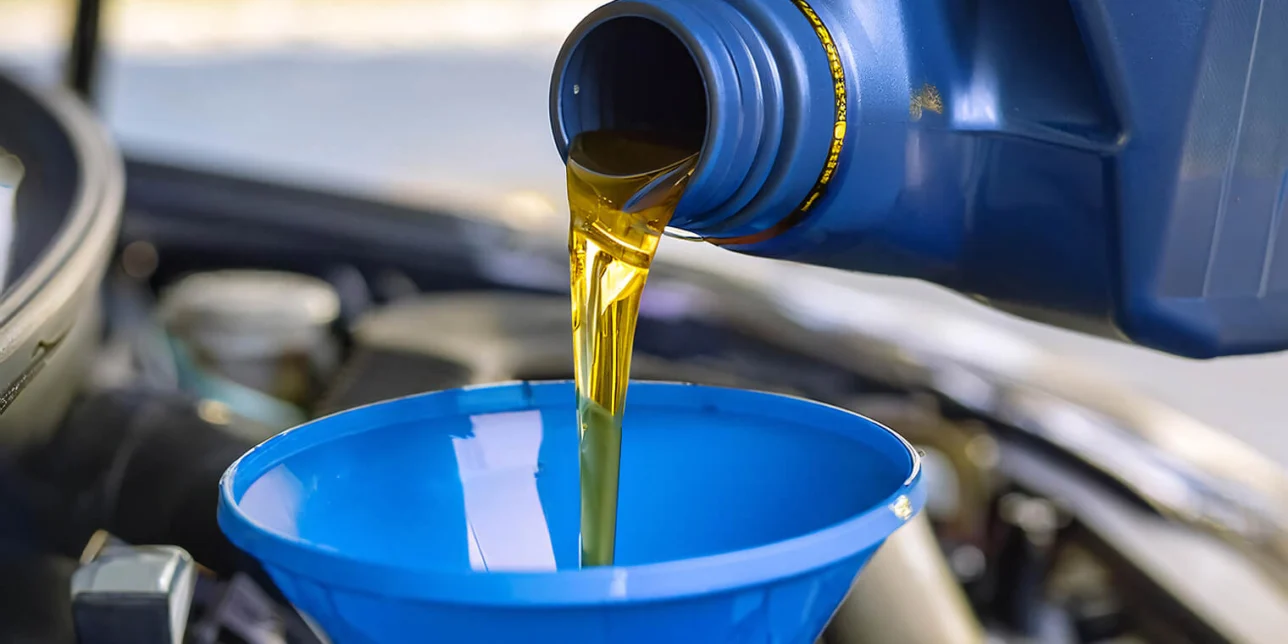
Choosing between a synthetic vs conventional oil change is a decision every vehicle owner faces. The right choice impacts engine performance, protection, and long-term reliability. At Grease Monkey, we help drivers make informed decisions by providing clear, expert guidance and professional oil change services that keep your engine running smoothly. Whether you are seeking improved performance or maintaining a daily driver, understanding the difference between synthetic and conventional oil is key to protecting your investment and ensuring peace of mind on the road.
Benefits of Choosing the Right Oil Change
Synthetic Oil Change Advantages
Synthetic oil is engineered for performance and protection. Its molecular structure is designed to reduce friction, resist breakdown, and perform consistently across a wide range of temperatures. This makes synthetic oil the preferred choice for many modern engines, high-performance vehicles, and drivers who want the highest level of protection. Synthetic oil also helps engines stay cleaner by minimizing sludge and deposit buildup, which supports long-term engine health.
Conventional Oil Change Advantages
Conventional oil has been a reliable option for decades, offering solid protection for engines under normal driving conditions. It is derived directly from refined crude oil and provides adequate lubrication for many vehicles, especially older models or those with lower mileage, when permitted by the vehicle manufacturer. Some newer vehicles, particularly those designed for extended drain intervals, may require synthetic oil and prohibit conventional formulations. Conventional oil remains widely available and can be a cost-effective solution for routine maintenance when used in accordance with manufacturer recommended specifications and service intervals.
Key Benefits of Each Oil Type
Understanding the unique benefits of each oil type helps you make the best choice for your vehicle.
- Synthetic oil provides superior engine protection and performance, especially in extreme temperatures.
- Synthetic oil resists breakdown longer, supporting extended engine life and fewer oil changes when following manufacturer recommendations.
- Conventional oil is cost-effective and sufficient for many older engines or vehicles with less demanding operating conditions.
- Both oil types meet or exceed manufacturer specifications when installed by a professional service center like Grease Monkey.
The Oil Change Process at Grease Monkey
Understanding the Difference Between Synthetic and Conventional Oil
The difference between synthetic and conventional oil lies in their composition and performance. Synthetic oil is chemically engineered to provide uniform molecules, resulting in better stability, enhanced lubrication, and improved resistance to oxidation. Conventional oil contains a wider range of molecular sizes, which can lead to more rapid breakdown and increased deposits over time. Both types serve as the essential function of reducing friction, cooling engine components, and preventing wear, but synthetic oil is formulated for higher performance and longevity.
What to Expect During Your Oil Change Service
Every oil change at Grease Monkey is performed with precision and care. We follow a standardized process designed for speed, safety, and quality, ensuring your vehicle receives exactly what it needs based on manufacturer requirements. Our team uses only parts and fluids that meet or exceed manufacturer specifications, whether you choose synthetic or conventional oil.
Steps Involved in a Professional Oil Change
Here is what you can expect during your visit for a synthetic or conventional oil change.
- Vehicle is safely lifted and secured for access to the oil pan and filter.
- Old engine oil is drained completely to remove contaminants and debris.
- Oil filter is replaced with a new, high-quality filter designed for your vehicle.
- Fresh oil, either synthetic or conventional, is added in the correct grade and quantity.
Types of Synthetic Oil Available
Synthetic oils come in several varieties, each tailored to specific engine needs. Full synthetic oils offer the highest level of performance and protection, ideal for modern engines and extreme driving conditions. Synthetic blends combine synthetic and conventional base oils, balancing improved protection and affordability. At Grease Monkey, we offer a range of synthetic oils, including full synthetic, synthetic blend, and premium full synthetic options, ensuring there is a solution for every vehicle type and driving style.
Quality Control and Vehicle Health Checks
Every oil change service at Grease Monkey includes a complimentary vehicle health check. Our team inspects key components such as fluid levels, belts, hoses, and tire conditions to help identify potential issues before they become costly problems. This attention to detail helps you drive away with confidence, knowing your vehicle has been thoroughly checked and serviced by professionals committed to your safety.
Key Considerations for Synthetic vs Conventional Oil Change
Manufacturer Recommendations Matter
Vehicle manufacturers specify oil types and change intervals based on engine design, performance requirements, and testing. Following these guidelines is crucial for maintaining warranty coverage and ensuring optimal engine performance. Many newer vehicles require synthetic oil due to tighter engine tolerances and advanced technologies. Always consult your owner’s manual or ask a professional at Grease Monkey for guidance on the correct oil for your vehicle.
Driving Habits and Environmental Factors
Your driving patterns play a significant role in determining the best oil for your engine. Frequent short trips, stop-and-go traffic, extreme temperatures, or towing place additional stress on engine oil. Synthetic oil is more resilient under these conditions, providing stable performance and protection. For vehicles used primarily in mild conditions with regular maintenance, conventional oil may be sufficient. Evaluating your typical driving environment helps ensure you select the oil that best matches your needs.
Cost Considerations and Long-Term Value
While synthetic oil typically has a higher upfront cost than conventional oil, it can offer long-term savings by reducing engine wear, minimizing sludge buildup, and supporting longer engine life. Synthetic oil may also extend the recommended interval between oil changes, reducing the frequency of service visits when following manufacturer requirements. Conventional oil remains a budget-friendly choice for many vehicles, especially when combined with regular, timely service.
Choosing the Right Oil for High-Mileage or Older Engines
High-mileage engines may benefit from oils formulated with additional additives to condition seals and reduce leaks. Synthetic oils designed for high-mileage vehicles help maintain engine cleanliness and offer enhanced wear protection. However, some older engines with worn seals may perform better with conventional oil to minimize the risk of leaks. Grease Monkey professionals can help you assess your vehicle’s condition and recommend the most appropriate oil type for your specific situation.
Common Myths About Synthetic and Conventional Oil
There are several misconceptions about the difference between synthetic and conventional oil. Some believe synthetic oil is too slippery for older engines, or that switching between oil types can cause damage. Modern synthetic oils are compatible with most engines, and transitioning from conventional to synthetic oil is safe when performed by a professional. The key is to use oil that meets or exceeds manufacturer specifications and to maintain regular change intervals.
Why Choose Grease Monkey?
Grease Monkey delivers Done Fast. Done Right.™ oil change services that prioritize your time, your engine’s health, and your peace of mind. Our team provides expert advice, quality materials, and thorough vehicle checks at every visit. Whether you need a synthetic oil change, a conventional oil change, or guidance on the difference between synthetic and conventional oil, count on us to keep you moving with confidence.




Plan Your Visit
Find a location near you, explore current deals, and get everything you need before you roll in.