
Full Service Oil Changes
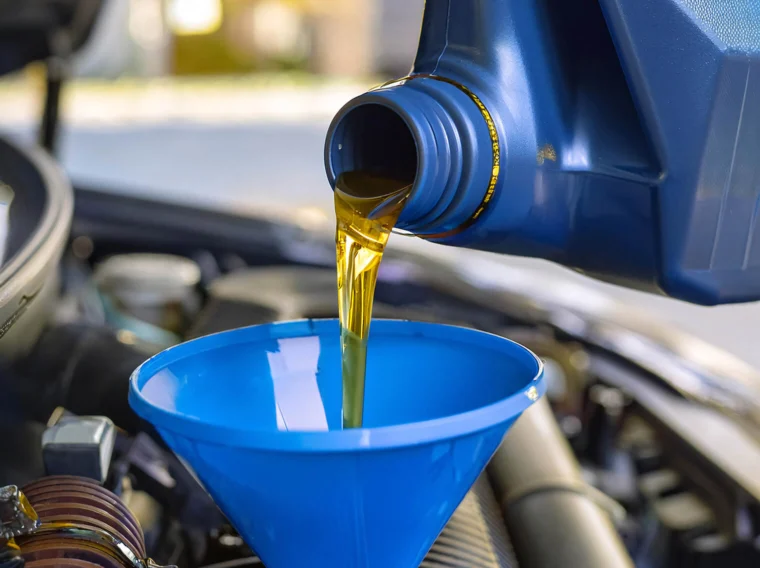
Your engine deserves more than just an oil change, it deserves a pit crew. At Grease Monkey, we give your vehicle the works: fresh oil, a new filter, and a complete health check. Drive away knowing you made the confident choice: fast, friendly, and always Pit Crew Certified™.
What We Do
Our Full-Service Oil Change
Whether you choose synthetic blend, high mileage, or full synthetic oil, Grease Monkey keeps it simple: change your oil per your manufacturer’s recommendation. Fresh oil means a healthier engine, better performance, and fewer headaches down the road.
Synthetic Blend Oil Changes
Looking for Synthetic Blend, High Mileage or Enhanced Synthetic Oil? No problem! Grease Monkey offers oil changes for all vehicles that provide longer-lasting protection and better performance—especially in extreme temps.
Full Synthetic Oil Changes
Does your vehicle require Full Synthetic Oil? It’s likely due to your engine’s design, advanced technology, or performance requirements. At Grease Monkey, we’ve got options for you!
How Oil Changes Work
Not Your Average Oil Change
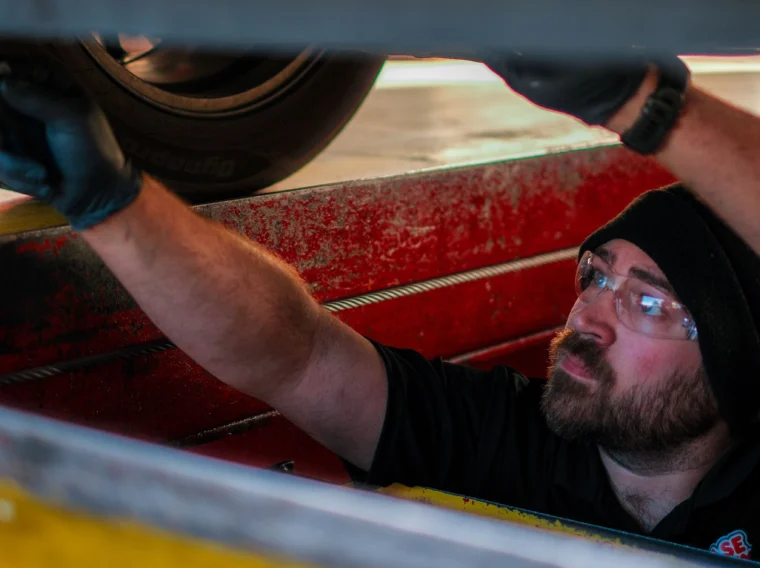
We safely remove the used oil and oil filter.
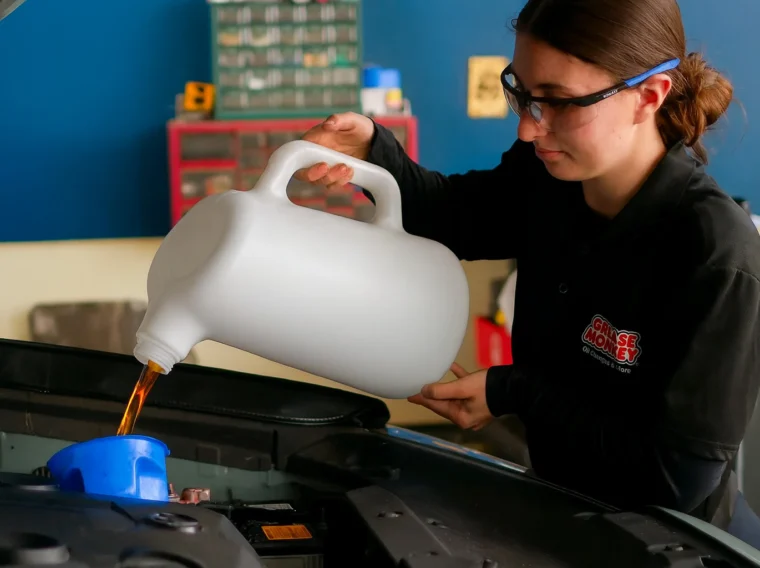
We refill with the correct oil based on your vehicle’s needs—including Diesel, European, and High Mileage—and replace your old oil filter with a new one.
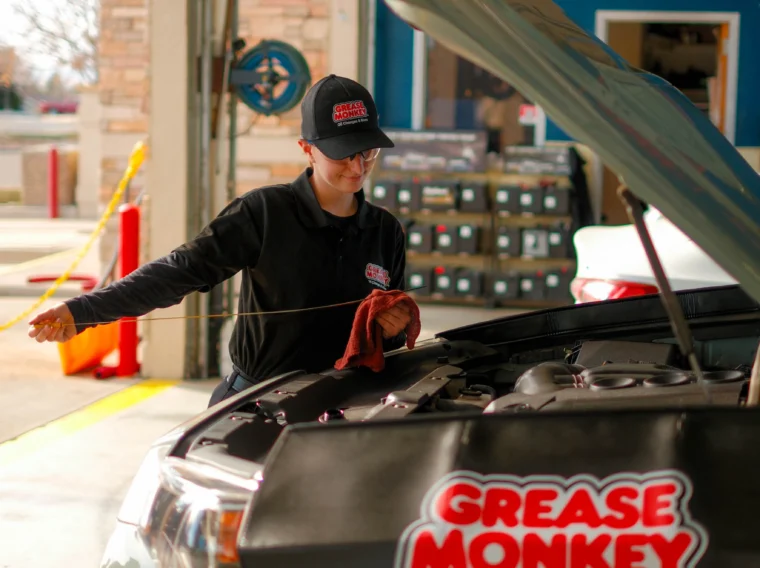
We check all the key systems that help your car run right, including:
Understanding Oil
Oil Types, Benefits & Maintenance Tips
Best
Full Synthetic
A “Full” Synthetic Oil will be 100% synthetic with no blended oil mixture. Full Synthetic Oil should be used if your manufacturer requires it, and if you are looking for premium performance and protection.
Full Synthetic Oil will perform better in extreme climates that have really high or low temperatures. You should consider Synthetic for “severe” driving conditions, like stop-and-go or a lot of towing.
Better
Synthetic Blend
Using a combination of regular and synthetic motor oil, Synthetic Blend oils will offer improved engine protection during cold starts and help prevent oil breakdown.
A blend will reduce oil consumption and evaporative loss. Your Grease Monkey Pit Crew will help you evaluate if a Synthetic Blend is right for your vehicle.
Better
High Mileage
Uses a combination of regular and synthetic motor oil specifically formulated for high-mileage vehicles that are over 75,000 miles. High mileage oils are professionally formulated to help protect critical engine parts.
Help fight sludge and varnish deposits, as well as stop viscosity breakdown. They include seal conditioners to help prevent leaks.
Good
Conventional Blend
Conventional oil is refined from crude oil and is suitable for some vehicles, especially older models or engines with simpler designs, when driving conditions are mild. This oil degrades faster under heat, cold, heavy loads, or stop-and-go driving.
Most Grease Monkey locations no longer carry conventional oil, since most vehicles now require synthetic oils per their specifications, and conventional oils will not meet your manufacturer’s warranty.
When, Why & How
Oil Change 101
Clean oil means a happy engine.
Motor oil breaks down over time, collecting dirt, debris, and moisture that reduce its ability to lubricate and cool your engine.
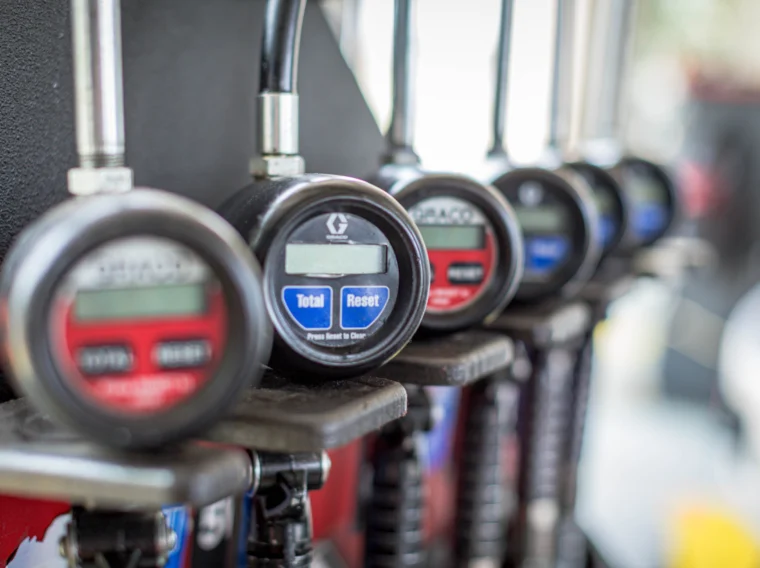
Clean oil protects your engine from wear, helps it run smoothly, prevents overheating, and keeps your car reliable for the long haul.
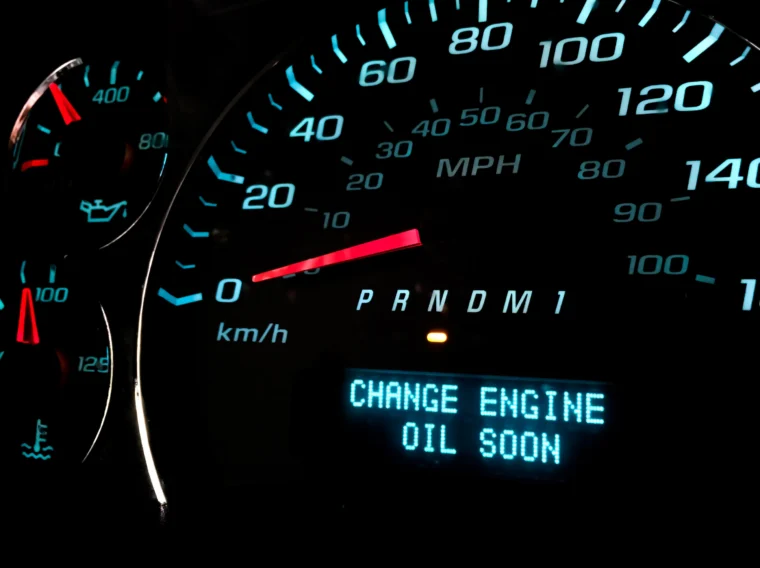
Don’t wait for dashboard warnings or strange engine noises—stay ahead with regular oil changes at your local Grease Monkey!
Frequently Asked Questions About Oil Changes
Conventional Oil:
- Source: Made from refined crude oil.
- Performance: Provides basic lubrication and protection for engines.
- Cost: Generally cheaper than synthetic oil.
- Change Interval: Typically, every 3,000–5,000 miles.
- Best For: Older vehicles or drivers with light, regular driving habits.
- Why choose conventional?
It’s budget-friendly and sufficient for older or low-mileage vehicles.
Synthetic Oil:
- Source: Chemically engineered for uniform molecules and enhanced properties.
- Performance: Superior protection against heat, wear, and sludge; flows better in extreme temperatures.
- Cost: More expensive upfront.
- Change Interval: Often lasts 5,000–10,000 miles (sometimes more, depending on manufacturer).
- Best For: Modern engines, high-performance vehicles, or drivers in extreme conditions (hot, cold, towing, stop-and-go).
- Why choose synthetic?
It offers better long-term engine health, especially for newer cars or harsh driving conditions.
How often you should change your oil depends on the type of oil and your driving conditions:
General Recommendations:
Conventional Oil: Every 3,000-5,000 miles.
Synthetic Oil: Every 7,500-10,000 miles. If customers choose to go this long, they should be using an extended life oil filter because many regular oil filters only go for about 5,000 miles.
Time-Based Rule: At least once a year, even if you don’t hit the mileage.
Factors That Can Shorten the Interval:
- Short Trips: Frequent trips under 5-10 miles where the engine doesn’t fully warm up, leading to moisture buildup in oil.
- Stop-and-Go Traffic: Prolonged idling or slow speeds, common in city commuting.
- Extreme Temperatures: Driving in very hot (above 90F) or very cold (below freezing) conditions.
- Towing/Heavy Loads: Hauling trailers, boats, or consistently carrying heavy cargo/passengers.
- Harsh Environments: Driving on dusty, muddy, gravel, or salted roads, or in mountainous regions.
- High-Speed/Heavy Use: Sustained high speeds or using vehicles for constant commercial purposes like taxis or patrol cars.
Best Practice:
Always check your owner’s manual or oil-life monitor if your car has one – those are the most accurate for your specific vehicle.
Clearing the “Change Oil” or “Oil Service” light depends on your vehicle’s make and model, but here’s the general process most vehicles use:
Common Method (found in most Toyotas and Hondas):
- Turn the ignition to ON (don’t start the engine).
- Press and hold the trip/reset button on the dashboard.
- While holding, turn the ignition OFF and then back to ON.
- Keep holding until the light flashes or resets (usually 5–10 seconds).
- Release the button and turn the ignition OFF.
Other Variations:
Some vehicles require you to navigate through the settings menu on the dashboard screen. Others use pedal combinations (like pressing the gas pedal three times within 10 seconds).
For synthetic oil, most manufacturers recommend changing it every:
- 7,500 to 10,000 miles (or about once a year) for normal driving conditions.
- 5,000 to 7,500 miles if you drive in severe conditions—like frequent short trips, heavy towing, or extreme heat.
Many modern cars have oil-life monitoring systems, so following that indicator is often the best approach.
The frequency of oil changes depends on several factors, including what your vehicle manufacturer recommends.:
General Guidelines:
- Modern vehicles with synthetic oil: Every 7,500–10,000 miles or about once a year.
- Older vehicles or conventional oil: Every 3,000–5,000 miles
Factors That Affect Interval:
- Driving habits: Frequent short trips, stop-and-go traffic, or towing can shorten the interval.
- Climate: Extreme heat (like Arizona summers) can put more stress on oil.
- Manufacturer recommendations: Always check your owner’s manual—some cars have oil-life monitoring systems.
Special Offers and Coupons

$5 Off

Any Additional Service
$10 OFF
Full Service Synthetic Blend Oil Change
$15 OFF
Full Service Full Synthetic Oil Change
Related Services

Air Conditioning Services
From recharges to full repairs, we fix A/C issues to keep your ride cool.

Battery Services
Quick car battery tests, replacement, and jump-starts—no appointment needed.

Brake Services
Brake inspections plus pad and rotor replacements for road reliability.

Filter Services
Regular engine, cabin, and fuel filter replacements will keep your vehicle performing at its best while ensuring cleaner air for passengers.

Starting & Charging Services
From check engine lights to tune-ups—catch problems early and avoid downtime.


Plan Your Visit
Your next oil change just got easier—find a Grease Monkey location near you, grab a deal, and stop in today.