
Brake Services
Brakes are one of the most important safety systems on your vehicle, and like anything with moving parts, they wear down over time. Catching issues early helps you avoid costly repairs and ensures you can stop safely when it counts. If your brakes start to feel soft, sound noisy, or just seem off, it’s a good idea to have them inspected at Grease Monkey.
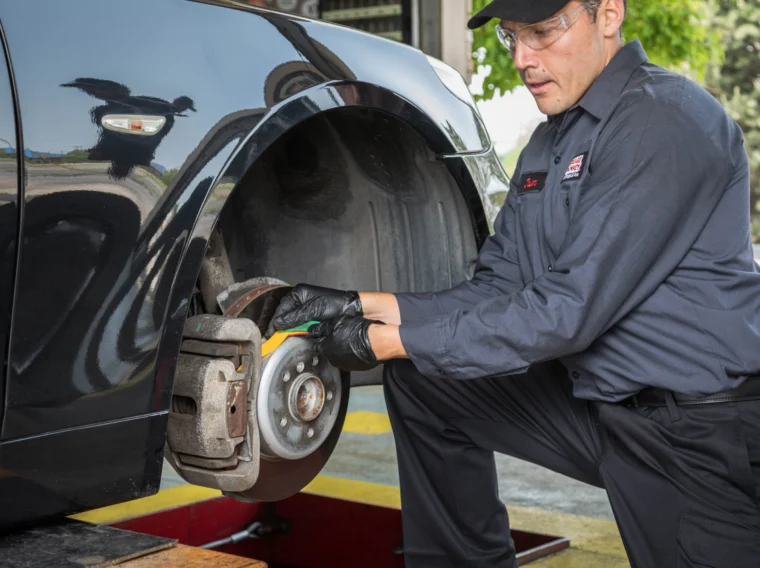
What We Do
From Brake Pads to Pedals,
We Check It All
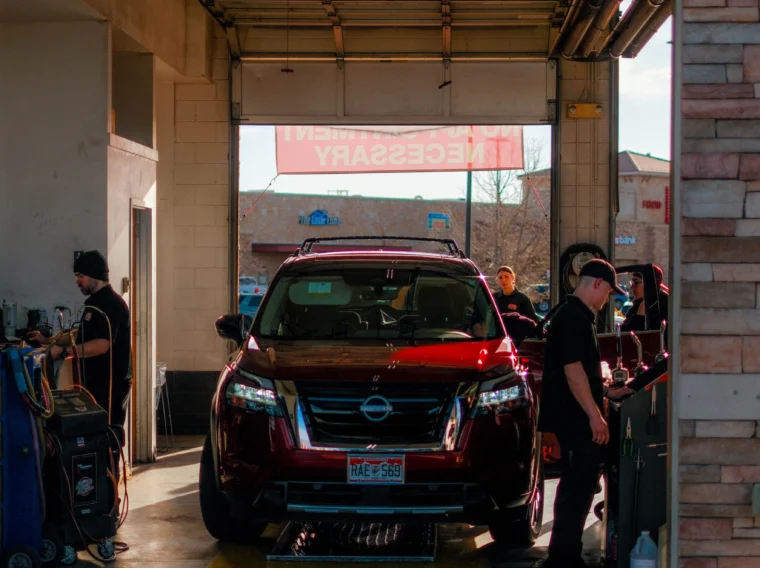
Stop by a Grease Monkey location near you and get a complimentary brake check with your service. Our technicians inspect your brake pedal, fluid, lines, pads, rotors, and parking brake to ensure everything is in working order. If we detect any issues, we’ll walk you through what we found and provide a clear, no-pressure estimate.
How Brake Services work
Inside the Grease Monkey Brake Inspection
We check every bit—pedal feel, fluid level, brake lines and hoses, pads, drums, rotors, and your parking brake.
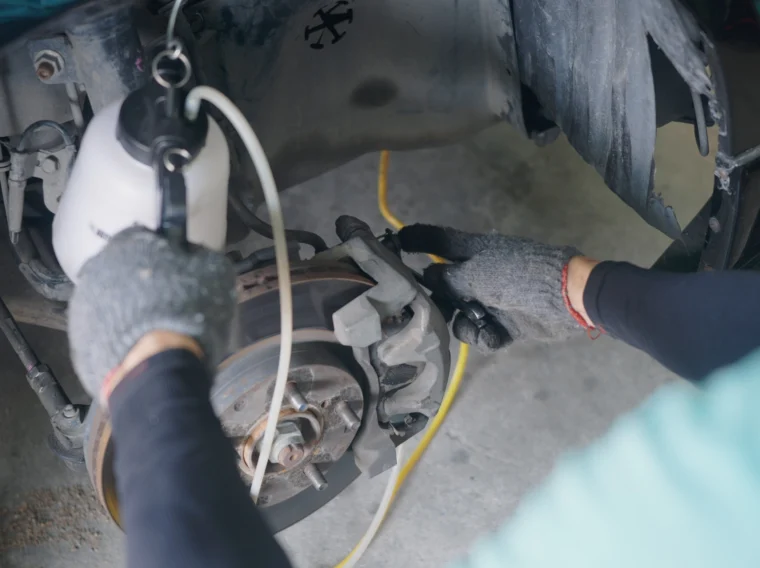
Brake fluid can get gunky with copper bits over time. We test it, and if it’s past its prime, we’ll recommend a flush to keep your system clean and corrosion-free.
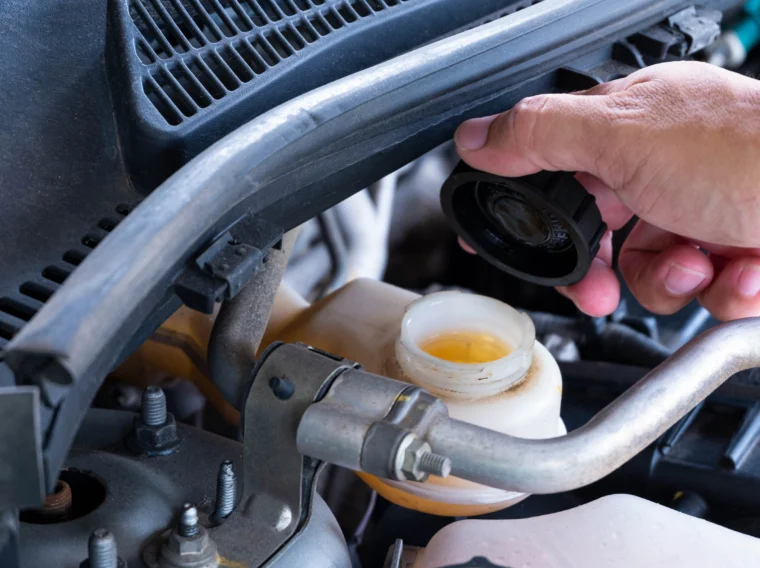
Things to Think About
Catch the Signs Early and Keep Your Stops Smooth and Safe
Follow your owner’s manual for service intervals—usually every six months or after a certain number of miles. Staying on schedule helps catch issues before they become bigger (and more expensive) problems.
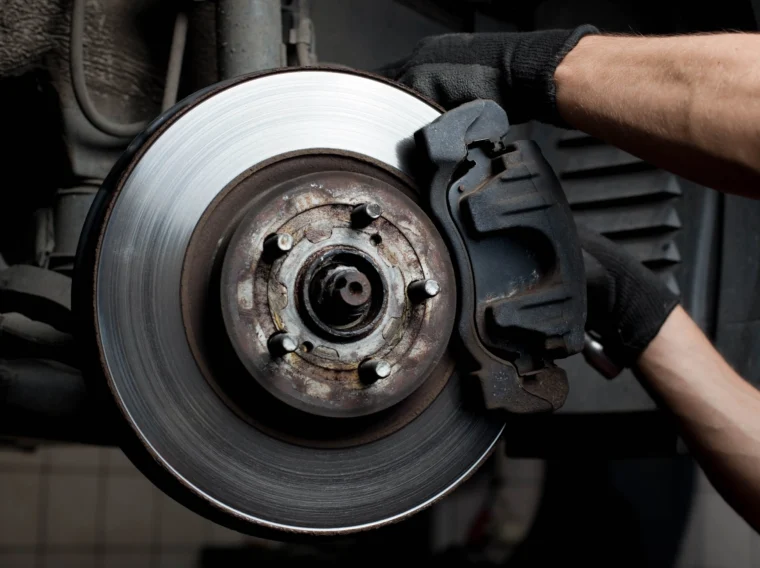
Don’t wait for your manual to tell you—your brakes will speak up when something’s off. Keep an eye (and ear) out for these signs:
- Soft or spongy pedal
- Grinding
- Squealing, or strange noises
- Car pulling to one side when braking
- Brake or ABS warning light on
- Steering wheel shaking when you hit the brakes
- Jerky or vibrating stops
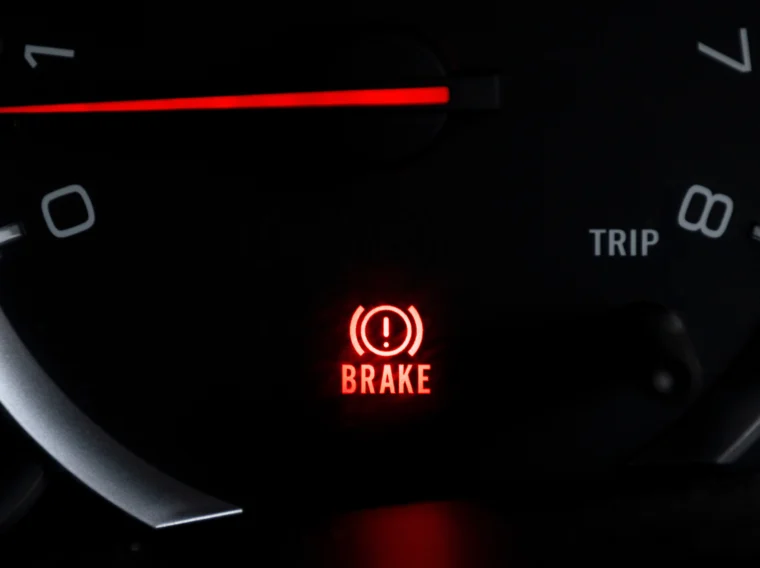
If you notice any of the above, visit your local Grease Monkey. We’ll check everything out and, if needed, recommend fixes like new pads, rotors, or a brake fluid flush— whatever it takes to keep your stopping power strong and safe.
Frequently Asked Questions About Brakes
Brake pad lifespan depends on several factors, but here’s a solid guideline:
Typical Brake Pad Lifespan:
- Average Range: 25,000–70,000 miles
- Most Common: Around 40,000 miles
- High-Quality Ceramic Pads: Can last up to 80,000 miles
- Performance Pads: Often shorter lifespan due to aggressive driving.
Factors That Affect Longevity:
- Driving Habits
Frequent hard braking or stop-and-go traffic wears pads faster. - Type of Pads
- Ceramic: Longer life, quieter, less dust.
- Semi-Metallic: Good performance, moderate lifespan.
- Organic: Softer, wears out quicker.
- Vehicle Weight
Heavier vehicles (SUVs, trucks) put more strain on brakes. - Road Conditions
Mountain driving or towing shortens pad life. - Brake System Health
Worn rotors or calipers can accelerate pad wear.
Signs It’s Time to Replace:
- Squealing or grinding noises
- Brake warning light
- Reduced braking performance
- Pads less than 3mm thick
Brake squeaking is a common issue and can happen for several reasons. Here are the most likely causes:
Common Reasons Brakes Squeak:
- Worn Brake Pads
- Pads have a built-in wear indicator that squeals when they’re thin (usually under 3mm)
- Solution: Replace pads soon to avoid rotor damage.
- Glazed Pads or Rotors
- Overheating can harden the pad surface, causing squeaks.
- Solution: Resurface or replace pads/rotors.
- Dust or Debris
- Dirt or brake dust between pad and rotor can cause noise.
- Solution: Clean brake components.
- Moisture
- Light squeaking after rain or washing is normal and usually temporary.
- Solution: Drive a short distance to dry them out.
- Lack of Lubrication
- Dry contact points (like caliper slides) can squeak.
- Solution: Apply proper brake lubricant during service.
- Cheap or Hard Brake Pads
- Low-quality pads or very hard compounds tend to squeak more.
- Solution: Upgrade to higher-quality pads (ceramic pads are quieter).
When to Worry:
If squeaking is constant and accompanied by grinding or reduced braking power, it’s time for immediate inspection.
Brake lifespan depends on whether you mean brake pads or rotors, but here’s a clear breakdown:
Brake Pads:
- Average Lifespan: 25,000–70,000 miles
- Typical Range: Around 40,000 miles
- Factors: Driving habits, pad material (ceramic lasts longer than organic), vehicle weight, and road conditions.
Brake Rotors:
- Average Lifespan: 50,000–70,000 miles
- Can Last Longer: If pads are changed on time and rotors are resurfaced when needed.
- Signs of Wear: Warping, grooves, or vibration when braking.
Brake System Overall:
- Heavy towing, mountain driving, or aggressive braking shortens lifespan.
- Regular maintenance (fluid checks, pad replacement) extends life.
You should replace brake pads when they show signs of wear or reduced performance. Here are the key indicators:
- Pad Thickness
Pads less than 3mm (about 1/8 inch) thick need replacement. Most new pads start at 10–12mm. - Warning Light
Many modern cars have a brake wear sensor that triggers a dashboard light. - Squealing or Screeching Noise
Built-in wear indicators make a high-pitched squeal when pads are thin. - Grinding Sound
Metal-on-metal contact means pads are completely worn—replace immediately to avoid rotor damage. - Reduced Braking Performance
Longer stopping distances or spongy pedal feel. - Vibration When Braking
Could indicate uneven pad wear or rotor issues. - Mileage
Most pads last 25,000–70,000 miles but check sooner if you drive in heavy traffic or tow.
Tip: Inspect pads during tire rotations or oil changes for early detection.
Special Offers and Coupons

$5 Off

Any Additional Service
$10 OFF
Full Service Synthetic Blend Oil Change
$15 OFF
Full Service Full Synthetic Oil Change
Related Services

Oil Changes
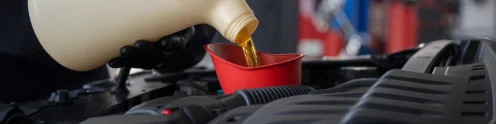
Fast oil changes with oil options for everyone, done in under 15 minutes.

Air Conditioning Services
From recharges to full repairs, we fix A/C issues to keep your ride cool.

Battery Services
Quick car battery tests, replacement, and jump-starts—no appointment needed.

Filter Services
Regular engine, cabin, and fuel filter replacements will keep your vehicle performing at its best while ensuring cleaner air for passengers.

Starting & Charging Services
From check engine lights to tune-ups—catch problems early and avoid downtime.


Plan Your Visit
Your next oil change just got easier—find a Grease Monkey location near you, grab a deal, and stop in today.