The Top 15 Reasons Rexburg, Idaho Drivers Should Have Their Vehicle's Air Conditioning System Serviced and Inspected Regularly
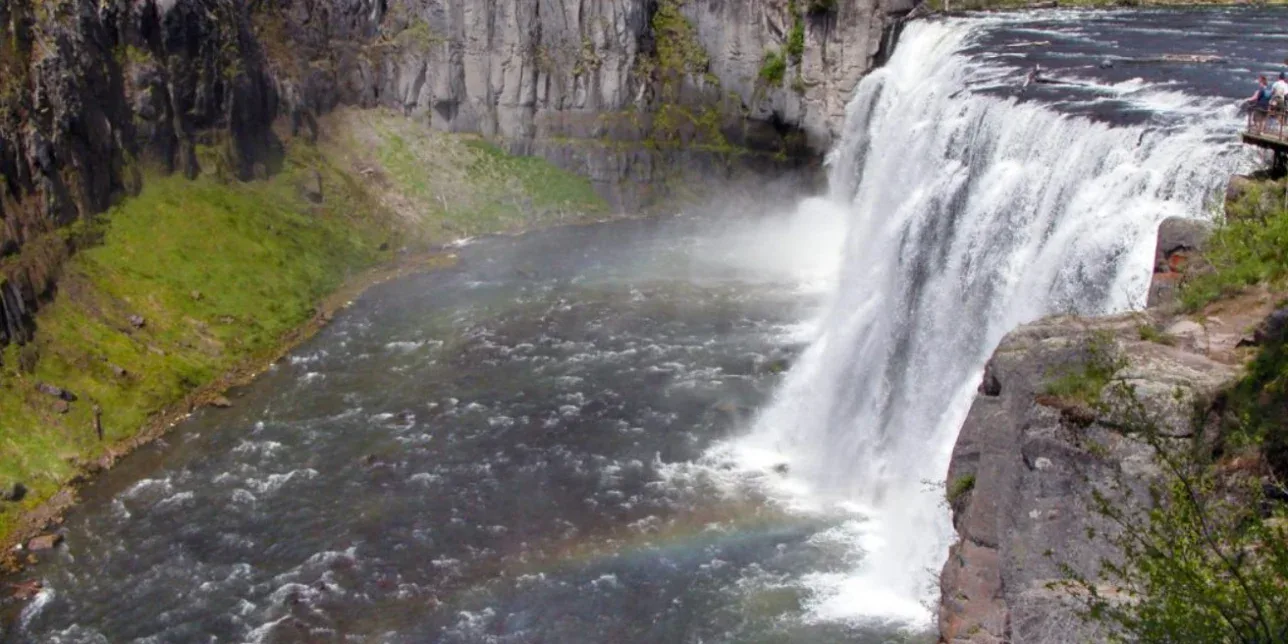
The Feature Image Is Of The Magnificent Upper Mesa Falls, Only 43 Miles From Rexburg
Grease Monkey | 795 South Yellowstone Highway, Rexburg, Idaho 83440
Serving Rexburg, Sugar City, Madison County, and the Upper Snake River Plain
https://www.greasemonkey.com/locations/id/rexburg/795-south-yellowstone-highway/
Why Vehicle AC Service Matters in Rexburg, Idaho — A Community Built for Year-Round Extremes
Whether you are driving to the magnificent Upper Mesa Falls shown in the picture above which is only 43 miles away from Rexburg, or you are just driving to the grocery store, you need to realize that Rexburg, Idaho is a city of extremes — one of the coldest regularly inhabited communities in the contiguous United States in winter, and a gateway to Yellowstone National Park in summer, with temperatures that regularly reach the 90s°F at an elevation of 4,865 feet on the Upper Snake River Plain. Between BYU-Idaho’s 20,000 students, the agricultural families of Madison County, the recreational travelers heading north on US-20 toward Mesa Falls and the Island Park caldera, and the dairy and potato farm operators whose vehicles work year-round in demanding conditions, Rexburg’s vehicle population is as varied as any city its size in the Mountain West.
What those vehicles share is an air conditioning system that faces challenges specific to this community: extreme altitude, high agricultural particulate loads, an unusually long dormant season that stresses AC chemistry, and the remote-highway driving that makes mechanical reliability a genuine safety concern. The 15 reasons that follow — ranked from most critical to least critical — explain precisely why regular AC service and inspection is one of the most important maintenance decisions a Rexburg driver can make, backed by current research and calibrated to the conditions of this community specifically.
Grease Monkey at 795 South Yellowstone Highway, Rexburg, Idaho is operated by FullSpeed Automotive — the largest Grease Monkey franchisee in the United States, with over $542 million in annual revenue and more than 5.2 million vehicles serviced in 2025 alone. ASE-certified technicians, EPA Section 609-certified refrigerant handling equipment, and a no-appointment service model make the South Yellowstone Highway location the professional choice for every Rexburg and Madison County driver who takes vehicle maintenance seriously.
Reason #1 — Protecting Vulnerable Passengers: When a Failed AC System Becomes a Medical Emergency
Category: Most Critical – Passenger Safety
Why Regular AC Service Matters — The Technical Reality
The interior of a vehicle parked in direct summer sunlight can reach temperatures exceeding 130°F within 20 minutes, even on days when ambient outdoor temperatures are in the mid-80s — a temperature range that is fatal to infants and dangerous to elderly passengers within minutes. The National Weather Service classifies vehicle interior heat as a leading cause of pediatric heatstroke fatalities in the United States, with the Centers for Disease Control reporting an average of 37 child vehicle heat deaths annually — nearly all preventable with functioning climate control and attentive AC maintenance. Beyond stationary risk, sustained cabin temperatures above 90°F during driving impair thermoregulation in children under five, individuals over 65, and those with cardiovascular or metabolic conditions. A functioning vehicle AC system is the only reliable safeguard against these conditions during summer travel. For households with infant car seats, child safety restraints, or elderly family members who cannot self-regulate temperature, AC service is not elective. It is essential protective maintenance. (Source: Centers for Disease Control and Prevention, “Heat-Related Deaths Among Vehicle Occupants,” 2023; National Weather Service Heat Safety Bulletin, 2024; Pediatrics, “Hyperthermia Deaths of Children in Vehicles,” 2022.)
How This Affects Rexburg and Madison County Drivers Specifically
Rexburg’s proximity to Yellowstone National Park, Mesa Falls, Harriman State Park, and the St. Anthony Sand Dunes means that summer family travel is a major part of local driving culture. Families loading up for a day at the Sand Dunes, a weekend camping trip along the Henry’s Fork, or a summer drive through Island Park on US-20 are often bringing infants, toddlers, and grandparents along for the journey. On the South Yellowstone Highway corridor, which stretches north from Rexburg through Ashton toward West Yellowstone with limited services for long stretches, an AC failure with vulnerable passengers aboard is not a manageable inconvenience — it is a medical situation developing in real time. The BYU-Idaho student population also includes thousands of young families with infants and toddlers whose vehicle fleets skew toward older, higher-mileage cars that may have never received a professional AC inspection. An AC service at Grease Monkey on South Yellowstone Highway takes this risk off the table before the summer travel season begins.
Your passengers depend on a system that works when it matters most. Schedule your AC safety inspection at Grease Monkey on South Yellowstone Highway today.
Reason #2 — Delta-T Testing and Refrigerant Charge Verification: The Measurement That Reveals What Your AC Can Actually Do
Category: Most Critical – System Performance Verification
Why Regular AC Service Matters — The Technical Reality
The single most reliable field measure of air conditioning system performance is the delta-T test — the temperature differential between ambient air entering the vehicle and conditioned air exiting the dashboard vents. A properly charged, fully functional AC system operating under standard conditions should produce a vent outlet temperature of 35°F to 45°F, regardless of ambient temperature, yielding a delta-T that confirms the system is performing to specification. A system with even a 10 percent refrigerant charge deficit may still produce noticeably cool air while delivering a delta-T that indicates significantly degraded performance — a condition that will worsen progressively and that drivers adapt to without realizing the baseline has declined. Professional AC service includes a calibrated delta-T assessment before and after a refrigerant charge verification, providing objective documentation of the system’s performance status that driver comfort perception alone cannot provide. This test identifies partial charge loss, expansion device restriction, and evaporator airflow deficiency as distinct conditions requiring specific interventions. (Source: Mobile Air Conditioning Society Worldwide, MACS Service Training Manual, 2024; SAE International J2064: Service Hose for Automotive Air Conditioning.)
How This Affects Rexburg and Madison County Drivers Specifically
For Rexburg and Madison County drivers, the delta-T gap between a well-maintained and a partially degraded AC system becomes most apparent on the long summer drives that define local recreation. The US-20 corridor from Rexburg north through Ashton and into the Island Park caldera climbs steadily, crosses open high-desert terrain, and passes through areas where temperatures in the vehicle cabin — with the sun angle at Rexburg’s latitude and altitude — can spike dramatically on afternoon return trips. A system that tested at 38°F vent temperature in April may be delivering 52°F by July after a winter’s worth of refrigerant permeation loss, and the driver has simply acclimated to the change. A performance verification at Grease Monkey on South Yellowstone Highway tells Rexburg drivers exactly where their system stands — not what it feels like, but what it actually measures.
Find out what your AC can actually deliver — not just what it feels like. Book your delta-T performance test at Grease Monkey Rexburg — no appointment needed.
Reason #3 — Receiver-Drier and Accumulator Function: The Component That Protects Your Entire AC System From Moisture
Category: Most Critical – Moisture Control and System Longevity
Why Regular AC Service Matters — The Technical Reality
Every vehicle AC system contains either a receiver-drier (in expansion valve systems) or an accumulator (in orifice tube systems) — a canister filled with a desiccant material, typically molecular sieve or silica gel, whose sole purpose is to absorb moisture that enters the refrigerant circuit through hose permeation, fitting micro-leaks, and service procedures. Moisture in an AC system is not merely an inefficiency — it is a chemical threat. Water reacts with refrigerant under the temperature and pressure conditions inside a compressor to form hydrofluoric and hydrochloric acids that corrode aluminum evaporator tubes, copper condenser fittings, and steel compressor components within a single season. Desiccant capacity is finite: a receiver-drier or accumulator that has absorbed moisture to saturation provides no further protection and must be replaced. Industry best practice and most manufacturer service specifications require receiver-drier replacement every time the AC system is opened for service, and professional inspection can assess desiccant saturation through pressure-temperature relationship analysis. (Source: MACS Worldwide, Technical Bulletin TB-019: Receiver-Drier and Accumulator Service Specifications, 2023; DuPont Refrigerants Technical Reference, “Moisture in HFC Systems,” 2022.)
How This Affects Rexburg and Madison County Drivers Specifically
Rexburg’s climate creates an above-average moisture challenge for vehicle AC systems. The combination of spring snowmelt that persists into May, irrigation season that generates high ambient humidity from June through September along the agricultural fields flanking South Yellowstone Highway and the US-20 corridor toward Sugar City, and the freeze-thaw cycling of Idaho winters that drives condensation into every elastomeric seal and hose assembly accelerates desiccant saturation faster than the national average. For Madison County vehicles that sit outside year-round — a majority in this agricultural community — the desiccant in the receiver-drier is working harder and depleting faster than in garaged vehicles in milder climates. An AC service at Grease Monkey on South Yellowstone Highway includes a system assessment that identifies whether that critical moisture protection component is still performing its function.
Moisture is silently attacking your AC from the inside — stop it before it corrodes your system. Get your receiver-drier assessed at Grease Monkey Rexburg today.
Reason #4 — Altitude and AC Efficiency: What 4,865 Feet Does to Your Air Conditioning Performance
Category: Critically Important – High-Altitude AC Performance
Why Regular AC Service Matters — The Technical Reality
Air conditioning system performance is altitude-dependent in ways that most drivers — and many service guides calibrated for sea-level operation — do not fully account for. At elevations above 4,000 feet, reduced atmospheric pressure alters the pressure-temperature relationship across the AC system’s high and low sides, changing the operating envelope within which the expansion device meters refrigerant into the evaporator. Compressor volumetric efficiency decreases with altitude — less dense refrigerant vapor means less mass flow per revolution, reducing heat transfer capacity per compressor cycle. Simultaneously, reduced ambient air density decreases the condenser’s ability to reject heat to the atmosphere, because the same fin surface area moving the same volume of air transfers less thermal energy at altitude than at sea level. The net result is that a vehicle AC system that performs to specification at 1,000 feet may be measurably underperforming at 4,865 feet under the same refrigerant charge and ambient temperature conditions. Altitude-aware service calibration accounts for these effects. (Source: SAE International Technical Paper 2019-01-0893, “High-Altitude Effects on Mobile HVAC System Performance”; ASHRAE Fundamentals Handbook, Chapter 1: Psychrometrics and Altitude Correction.)
How This Affects Rexburg and Madison County Drivers Specifically
At 4,865 feet above sea level, Rexburg sits at one of the highest base elevations of any Idaho city of comparable size, and drivers who regularly travel the US-20 corridor northbound through Ashton and into the Island Park plateau — climbing past 6,200 feet at various points along the route — experience altitude effects on AC performance that sea-level service specifications do not capture. For BYU-Idaho students whose vehicles were purchased, inspected, and serviced at lower elevations before arriving in Rexburg, the AC system may have been evaluated and charged at conditions that do not represent its Rexburg operating environment. The Grease Monkey technicians on South Yellowstone Highway service vehicles in the actual altitude environment where they operate, providing a service calibration that reflects Rexburg’s real-world conditions rather than national average assumptions.
Make sure your AC was tuned for Rexburg’s altitude — not for sea level. Get altitude-aware AC service at Grease Monkey on South Yellowstone Highway.
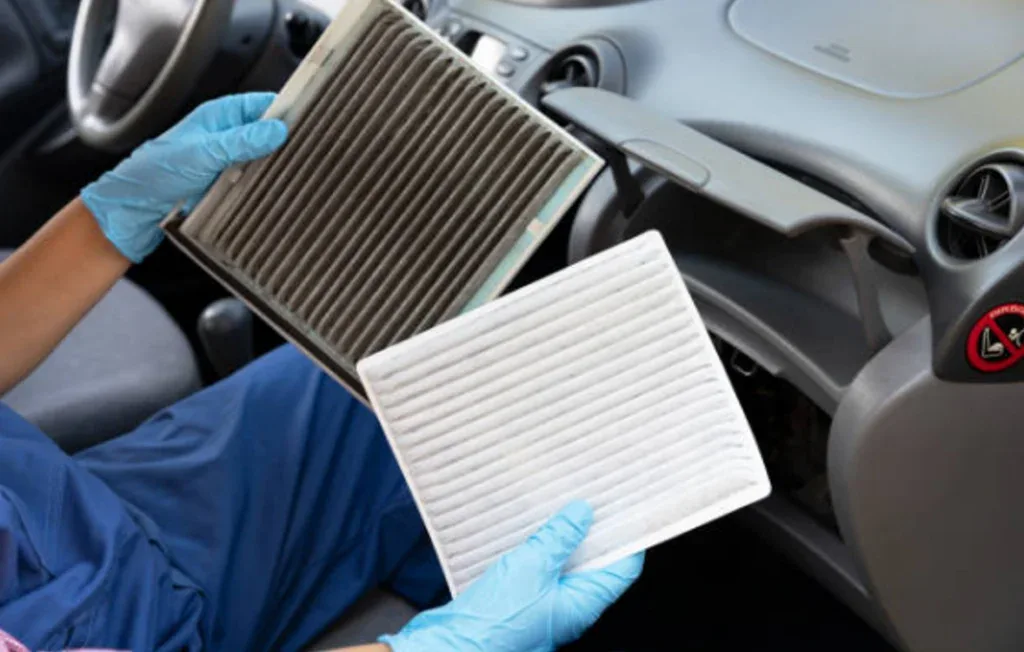
Reason #5 — Cabin Filtration and Seasonal Allergen Management: Why Rexburg’s Agricultural Calendar Makes AC Service a Health Priority
Category: Critically Important – Agricultural Allergen and Pollen Control
Why Regular AC Service Matters — The Technical Reality
Vehicle cabin air filters are rated by the American Society of Heating, Refrigerating and Air-Conditioning Engineers using the Minimum Efficiency Reporting Value (MERV) scale, with standard cabin filters rated between MERV 5 and MERV 8 — capable of capturing particles between 3 and 10 microns, including most pollen grains, mold spores, and larger dust particles. Premium activated-carbon cabin filters additionally adsorb volatile organic compounds and gaseous pollutants. A saturated cabin filter — one that has accumulated particulate loading beyond its rated capacity — undergoes a transition from filtration medium to contamination substrate: the accumulated particulate provides a nutrient base for microbial colonization, the increased resistance across the filter reduces blower airflow and AC cooling effectiveness, and in some cases the filter housing bypass gap allows unfiltered air to enter the cabin when the filter is physically restricted. Annual replacement, timed to coincide with the primary local pollen season, is the clinical recommendation of the American Academy of Allergy, Asthma, and Immunology for sensitive individuals. (Source: American Academy of Allergy, Asthma and Immunology, “Vehicle Air Filtration and Allergen Exposure,” 2023; ASHRAE Standard 52.2-2022: Method of Testing General Ventilation Air-Cleaning Devices.)
How This Affects Rexburg and Madison County Drivers Specifically
Madison County’s agricultural landscape produces a pollen and particulate calendar that is more demanding than most urban environments. Potato field cultivation in spring generates fine soil particulate across the fields between Rexburg, Sugar City, and the surrounding townships. Grain harvest in late summer fills the air with chaff and cereal pollen along the US-20 corridor. The irrigation season running from May through September creates conditions for elevated mold spore concentrations in the low-lying fields flanking South Yellowstone Highway. For the substantial population of BYU-Idaho students, faculty, and staff who live with seasonal allergies — a prevalence that tracks with national averages of 25 to 30 percent of young adults — a clean cabin filter and properly functioning AC system is the difference between a manageable commute and a genuinely symptomatic one. Grease Monkey on South Yellowstone Highway replaces cabin filters and inspects the entire filtration circuit as part of complete AC service.
Protect your respiratory health through every season of the Rexburg agricultural calendar. Get your cabin filter replaced and AC system inspected at Grease Monkey Rexburg today.
Reason #6 — Thermal Expansion Valve and Orifice Tube Maintenance: The Metering Device That Controls Everything Your AC Does
Category: Highly Important – Expansion Device and Refrigerant Flow Control
Why Regular AC Service Matters — The Technical Reality
The thermal expansion valve (TXV) or fixed orifice tube that meters liquid refrigerant into the evaporator is among the most precision-dependent components in the AC system, and it is among the most sensitive to contamination. The TXV regulates refrigerant flow in response to evaporator outlet temperature, maintaining a precise superheat value that ensures full refrigerant evaporation within the evaporator without allowing liquid refrigerant to reach the compressor — a condition called slugging that can destroy compressor valve reeds on a single cycle. Particulate contamination from degraded compressor components, desiccant breakdown, or hose material degradation restricts TXV screens and orifice passages, causing the classic symptom of an AC system that cools intermittently or produces alternating warm and cold air from the vents. Professional service identifies these restriction symptoms through pressure-temperature analysis before they produce compressor damage. (Source: SAE International J2196: Service Ports for HFC-134a; MACS Worldwide, Technical Bulletin TB-025: Expansion Device Diagnosis and Service, 2023.)
How This Affects Rexburg and Madison County Drivers Specifically
For Rexburg vehicles that accumulate significant off-pavement mileage — on the agricultural access roads of Madison County, on the gravel approaches to Harriman State Park and Henry’s Fork fishing access points, or on the unpaved roads connecting the smaller communities of Lorenzo, Hibbard, and Thornton — the vibration and thermal cycling that promotes particulate migration within the AC system is an above-average factor. A TXV screen that would last 80,000 miles in a suburban commuter vehicle may reach restriction threshold in 40,000 miles in a vehicle that splits its time between Rexburg pavement and Madison County gravel. An AC service that includes system pressure analysis and expansion device assessment at Grease Monkey on South Yellowstone Highway identifies this condition before it becomes the compressor replacement conversation.
Catch the metering device restriction before it destroys your compressor. Schedule your complete AC system analysis at Grease Monkey on South Yellowstone Highway.
Reason #7 — Blower Motor Health and Cabin Airflow Optimization: Why Weak Airflow Costs More Than Comfort
Category: Highly Important – Airflow and Comfort System Performance
Why Regular AC Service Matters — The Technical Reality
The blower motor and its associated resistor pack or pulse-width modulation control module govern the volume of air moving through the evaporator and into the cabin — and that airflow volume is directly proportional to AC cooling capacity. A blower motor drawing excessive current due to bearing wear, a blower wheel clogged with debris and organic material, or a resistor pack with failed speed settings reduces airflow across the evaporator in ways that compound refrigerant charge deficiency. The evaporator requires a minimum airflow velocity to maintain proper surface temperature and prevent icing — a condition in which frost builds on evaporator fins, further restricts airflow in a rapidly accelerating cycle, and can eventually generate enough ice accumulation to physically damage evaporator fins and drain components. Blower motor current draw measurement and airflow verification are components of a complete AC diagnostic that cannot be replicated by refrigerant charge alone. (Source: Automotive Heating and Air Conditioning, 7th Edition, Halderman & Mitchell, Pearson Publishing, 2023; SAE Technical Paper 2020-01-0159: Blower Motor Performance and HVAC System Efficiency.)
How This Affects Rexburg and Madison County Drivers Specifically
Rexburg’s long winters mean that vehicle blower motors run at high speeds for extended periods from October through April — for heat, defrost, and windshield management in conditions where temperatures regularly reach minus 15°F. This is among the most demanding duty cycles a blower motor experiences, and the transition from winter maximum-heat blower operation to summer AC cooling operation reveals motor and resistor pack wear that accumulated over months of thermal stress. For BYU-Idaho students whose vehicles may have entered Idaho with unknown maintenance history, and for Madison County farm operators whose trucks ran blower motors at full output through an exceptionally cold winter, the spring AC service check at Grease Monkey on South Yellowstone Highway is the right time to verify that the blower system supporting the cooling circuit is performing as required.
Verify your airflow before Rexburg’s summer demands it at full capacity. Get a complete blower and AC system inspection at Grease Monkey Rexburg.
Reason #8 — Spring AC Recommissioning After Winter Storage: Why Dormant Systems Fail at the Worst Possible Time
Category: Highly Important – Seasonal Recommissioning
Why Regular AC Service Matters — The Technical Reality
An AC system that has not been operated for an extended period — the 5 to 6 months of winter in which Rexburg drivers have no need for cooling — undergoes chemical and mechanical changes that are not apparent until the system is first activated in spring. Compressor shaft seals, which rely on a thin film of refrigerant oil to maintain their sealing lip integrity during operation, dry out during extended non-use periods, allowing accelerated refrigerant permeation through the seal face. The desiccant in the receiver-drier or accumulator continues to absorb ambient moisture during the dormant period, reducing its remaining capacity before the cooling season begins. Internal metal surfaces in the evaporator and condenser experience oxidative attack in the humid, stagnant conditions of a closed system during winter. The first activation of a long-dormant AC system in May is statistically one of the highest-risk events in the service life of a compressor — a risk that a pre-season inspection and service can eliminate. (Source: MACS Worldwide, Technical Bulletin TB-022: Seasonal Recommissioning of Mobile AC Systems, 2023; SAE J2788 HFC-134a Recovery/Recycling/Recharge Equipment Standard.)
How This Affects Rexburg and Madison County Drivers Specifically
The Rexburg calendar makes seasonal AC recommissioning a particularly relevant service. The transition from winter heating mode to summer cooling mode in Rexburg happens rapidly — spring arrives late, summer arrives abruptly, and the first genuinely hot days of June can push temperatures into the 90s within weeks of the last frost. For drivers who shut their AC off in September and first attempt to use it during a family trip to Mesa Falls or a drive to the Teton Valley in June, the system has been dormant for eight or nine months. In a climate as cold and as moisture-variable as Rexburg’s, that dormancy period is harder on AC system chemistry than in warmer climates. A spring recommissioning service at Grease Monkey on South Yellowstone Highway restores system readiness before the first hot day reveals a problem at the worst possible moment.
Don’t let your first hot Rexburg day also be the day your AC fails. Schedule your spring AC recommissioning at Grease Monkey on South Yellowstone Highway before summer arrives.
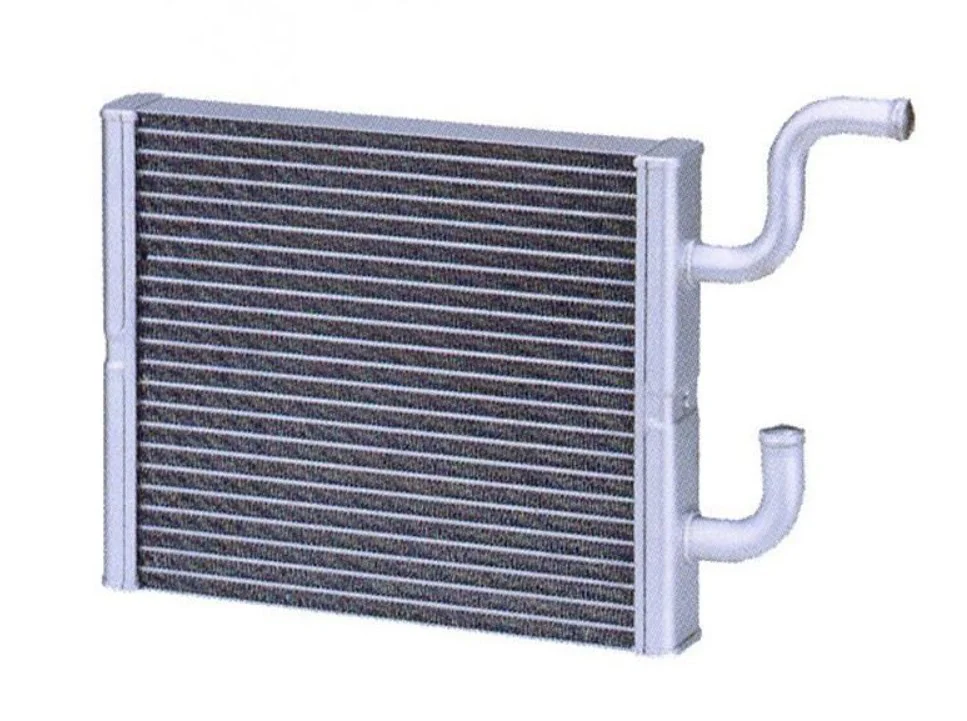
Reason #9 — Condenser Fin Protection and Cleaning: The External Heat Exchanger That Summer Insect Populations Can Destroy
Category: Highly Important – Condenser Protection
Why Regular AC Service Matters — The Technical Reality
The AC condenser is a front-mounted heat exchanger whose aluminum fin surfaces must maintain maximum airflow exposure to reject the heat absorbed from the cabin back into the atmosphere. Condenser fin blockage — from road debris, insect accumulation, cottonwood seed, airborne agricultural chaff, and the fine mineral dust common to high-desert driving — degrades heat rejection capacity in direct proportion to the blocked fin area. A condenser operating at 80 percent of its rated fin exposure area due to blockage forces the compressor to build head pressure 15 to 25 percent higher than design specification to achieve the same condensing effect, increasing compressor wear rates, electrical power draw, and fuel consumption simultaneously. Low-pressure fin cleaning with appropriate solvent removes these blockages without fin damage, and professional inspection identifies fin physical damage — from stone impact or road debris — that creates permanent blockage zones requiring repair or replacement. (Source: SAE International Technical Paper 2021-01-0862: Condenser Fouling Effects on Mobile HVAC System Performance; Delphi Technologies Service Reference, “Front End HVAC Component Inspection,” 2023.)
How This Affects Rexburg and Madison County Drivers Specifically
Rexburg’s position on the Snake River Plain creates specific condenser fouling challenges that drivers from other regions do not anticipate. The cottonwood trees lining the Henry’s Fork and the smaller waterways of Madison County release seed cotton in June that is so abundant it accumulates visibly on condenser fins within days of blooming. Potato harvest in late summer generates starch dust and debris that coats condenser fin surfaces across the county. The annual cycle of agricultural activity that sustains Madison County’s economy also deposits a sequence of different fouling materials on vehicle condensers throughout the year. A condenser cleaning as part of an annual AC service at Grease Monkey on South Yellowstone Highway addresses this accumulated fouling and protects both the AC system and the engine cooling circuit that shares the same airflow path.
Clear the summer’s fouling from your condenser before peak heat arrives. Get your condenser professionally cleaned at Grease Monkey Rexburg — your engine and your AC will both run cooler.
Reason #10 — AC Load, Alternator Demand, and Charging System Health: The Electrical Chain Reaction of AC Neglect
Category: Highly Important – Electrical System Health
Why Regular AC Service Matters — The Technical Reality
The air conditioning compressor’s electromagnetic clutch, the condenser cooling fan (where electric), and the blower motor collectively represent the largest variable electrical load in most passenger vehicles — drawing between 25 and 45 amperes at combined full-load operation, compared to 5 to 15 amperes for typical base electrical loads. This elevated demand is managed by the vehicle’s alternator, and a degraded AC system that cycles the compressor clutch abnormally frequently — due to low refrigerant charge triggering repeated pressure-switch cutouts — creates a duty cycle of electrical load spikes that stresses alternator brushes, rectifier diodes, and voltage regulator circuits. Research from the Electrical Power Research Institute documents elevated alternator failure rates in vehicles with documented AC refrigerant charge deficiency, establishing a causal link between AC neglect and charging system failure. A properly charged and maintained AC system reduces compressor clutch cycling frequency, protecting the charging system from abnormal load cycling. (Source: Electric Power Research Institute, “Alternator Reliability and Accessory Load Cycling,” 2022; Bosch Automotive Handbook, 10th Edition, Chapter 12: Generators and Charging Systems, 2022.)
How This Affects Rexburg and Madison County Drivers Specifically
For Rexburg and Madison County drivers, an alternator failure triggered by AC compressor load cycling is not merely an inconvenient breakdown — it is a breakdown that may occur on US-20 north of Ashton, where cell service is intermittent and towing distances to Rexburg can exceed 30 miles. The agricultural vehicle fleet in Madison County also carries additional electrical loads from work lighting, trailer connections, and auxiliary equipment that reduce the margin between normal alternator output and the load spike created by abnormal compressor cycling. An AC service that verifies refrigerant charge and compressor clutch cycling behavior at Grease Monkey on South Yellowstone Highway protects the entire electrical system from a failure cascade that begins with something as addressable as a low refrigerant charge.
Protect your charging system from an AC-triggered failure cascade. Get your AC and electrical system evaluated at Grease Monkey on South Yellowstone Highway.
Reason #11 — R-1234yf Refrigerant Compatibility and the Technology Transition Every Rexburg Driver Should Understand
Category: Highly Important – Refrigerant Technology and Compliance
Why Regular AC Service Matters — The Technical Reality
Since 2013, vehicle manufacturers have progressively transitioned from R-134a refrigerant to HFO-1234yf (R-1234yf) across new model lines, driven by the European Union’s Mobile Air Conditioning Directive and voluntary commitments under the U.S. EPA’s Significant New Alternatives Policy program. By model year 2021, the majority of new vehicles sold in the United States used R-1234yf as the factory refrigerant charge. R-1234yf has a Global Warming Potential of 4 — compared to R-134a’s GWP of 1,430 — and requires dedicated recovery, recycling, and recharge equipment that is not cross-compatible with R-134a infrastructure. A vehicle owner who does not know which refrigerant their vehicle uses, or who has a vehicle serviced with the wrong refrigerant type, risks system performance degradation and seal compatibility issues that void manufacturer warranties. Professional service identification of refrigerant type prior to any service procedure is a non-negotiable safety and compliance requirement. (Source: U.S. EPA Significant New Alternatives Policy Program, “Mobile Air Conditioning Refrigerant Transition,” 2024; SAE J2843: R-1234yf Recovery/Recycling/Recharging Equipment.)
How This Affects Rexburg and Madison County Drivers Specifically
BYU-Idaho’s enrollment brings hundreds of new vehicles to Rexburg each semester — a vehicle population that includes a growing proportion of post-2017 model years using R-1234yf. Many students arriving from out of state do not know which refrigerant their vehicle uses, and they may have had service performed by shops that were not equipped or certified for R-1234yf handling. The Grease Monkey location on South Yellowstone Highway is equipped with dedicated R-1234yf recovery and recharge equipment meeting SAE J2843 standards, and its ASE-certified technicians are trained to identify refrigerant type before beginning any service procedure. For Rexburg’s large and transient student vehicle population, that certification matters more than it does in communities where the vehicle fleet turns over more slowly.
Make sure your AC service uses the right refrigerant for your specific vehicle. Get certified R-1234yf and R-134a service at Grease Monkey Rexburg — the technology your vehicle actually requires.
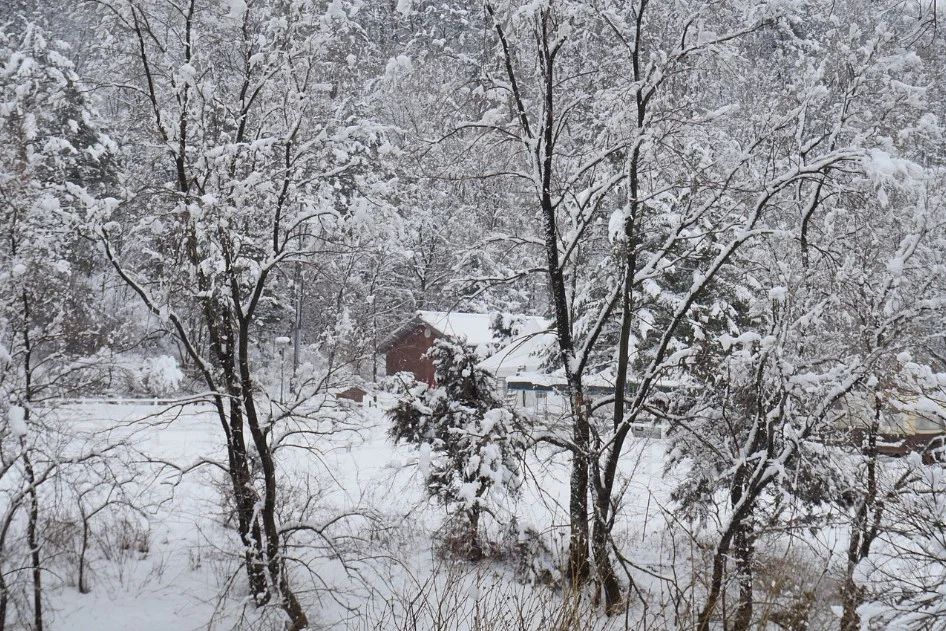
Reason #12 — Dehumidification During Snowmelt Season: The AC Function That Rexburg’s Spring Makes Critical
Category: Highly Important – Spring and Snowmelt Humidity Management
Why Regular AC Service Matters — The Technical Reality
Vehicle air conditioning systems perform a dehumidification function that is entirely independent of their cooling function — removing moisture from incoming air before it enters the cabin by condensing it on the cold evaporator surface and draining it through the condensate drain tube. This dehumidification is what enables rapid windshield defog and prevents interior condensation on glass and upholstery surfaces during high-humidity ambient conditions. When the evaporator drain tube becomes clogged — a common consequence of deferred cleaning — condensate accumulates in the evaporator housing, creating standing water that promotes microbial growth and eventually produces the characteristic musty odor that indicates biological contamination. Additionally, a partially restricted evaporator coil from biological accumulation reduces dehumidification efficiency, extending the time required to clear a fogged windshield to dangerous durations. Annual AC service includes condensate drain verification and evaporator housing inspection. (Source: SAE Technical Paper 2018-01-0065: HVAC Dehumidification and Windshield Clarity; ASHRAE Handbook — HVAC Systems and Equipment, Chapter 10: Vehicle HVAC Systems, 2023.)
How This Affects Rexburg and Madison County Drivers Specifically
Rexburg’s spring season is genuinely demanding on vehicle dehumidification systems. Snowmelt from Madison County’s significant winter snowpack creates high ambient humidity conditions from March through May that persist longer than in lower-elevation communities. Early morning fog along the Henry’s Fork and the irrigation district waterways near Sugar City and Lorenzo is common through late spring. For BYU-Idaho students and Madison County residents driving in these conditions — on rural roads where overnight temperatures drop near freezing and dawn brings dense valley fog — a dehumidification system that is functioning correctly clears windshield condensation in seconds. A system with a clogged condensate drain or a partially restricted evaporator takes minutes, creating a visibility impairment that directly increases collision risk. An AC service at Grease Monkey on South Yellowstone Highway verifies that the dehumidification circuit is performing as designed for Rexburg’s distinctive spring conditions.
See clearly through every Rexburg spring morning — your AC’s dehumidification makes that possible. Get your evaporator drain and dehumidification system verified at Grease Monkey on South Yellowstone Highway.
Reason #13 — Cabin Temperature, Cognitive Function, and Academic Performance: The AC Connection That Rexburg’s University Community Should Know
Category: Very Important – Cognitive Performance and Academic Impact
Why Regular AC Service Matters — The Technical Reality
The relationship between ambient temperature and cognitive performance is among the most replicated findings in environmental psychology and occupational health research. Studies published in Nature Energy by the Harvard T.H. Chan School of Public Health found that students living and working in elevated-temperature environments — above 26°C (78°F) — performed measurably worse on cognitive tests, with reaction time, working memory, and mathematical processing most significantly affected. A vehicle that functions as a mobile office, a commute space, or a study environment — as many vehicles do for university students and working professionals — imposes a direct cognitive performance penalty when cabin temperature is not managed by a functioning AC system. The implications extend beyond comfort: sustained thermal stress during commutes affects the cognitive state in which students arrive at lectures and examinations, and the state in which working adults make consequential decisions throughout their day. (Source: Cedeno Laurent, J.G., et al. (2018). Reduced cognitive function during a heat wave among residents of non-air-conditioned buildings. Nature Energy, 3, 1281–1288; International Journal of Environmental Research and Public Health, “Heat Stress and Cognitive Performance,” 2022.)
How This Affects Rexburg and Madison County Drivers Specifically
Rexburg is, at its core, a university city — BYU-Idaho’s enrollment of approximately 20,000 students defines the character of the community, shapes its driving patterns, and creates a population with a direct interest in protecting their cognitive performance through demanding academic and professional schedules. Students commuting from off-campus apartments to the BYU-Idaho campus, from the South Yellowstone Highway commercial corridor to evening classes, and from part-time jobs across Rexburg back to study sessions benefit from a vehicle cabin that supports rather than degrades mental performance. For a community that takes educational achievement seriously, a functioning AC system is not a luxury expense — it is an investment in the outcomes that brought those students to Rexburg in the first place. The Grease Monkey on South Yellowstone Highway is literally on the route between campus and the commercial corridor most students travel daily.
Protect your academic and professional performance — your commute temperature matters. Get your AC serviced at Grease Monkey on South Yellowstone Highway and arrive at every destination at your best.
Reason #14 — Service Documentation, Warranty Compliance, and Resale Value: The Financial Case for Professional AC Records
Category: Very Important – Financial Documentation and Warranty Protection
Why Regular AC Service Matters — The Technical Reality
Manufacturer new vehicle warranties and extended service agreements increasingly specify AC system service requirements as a condition of coverage for climate control and related components. Failure to document refrigerant charge verification and system inspection at intervals consistent with manufacturer recommendations can provide warranty administrators a basis to deny claims for compressor or expansion valve failure — components whose replacement costs frequently exceed $1,500. Beyond active warranty protection, the used vehicle appraisal process consistently identifies climate control system condition and service history as value determinants in markets where summer temperatures make AC a practical necessity. Appraisers and private buyers apply repair cost estimates for AC deficiencies that typically exceed two to three times the actual repair cost, because unknown AC failure history creates compressor contamination risk that buyers cannot quantify without professional diagnostic work. Documented professional AC service eliminates that uncertainty premium and supports asking price at disposition. (Source: J.D. Power 2024 Initial Quality Study: Climate Control System Reliability; National Automobile Dealers Association, “How Service Records Affect Used Vehicle Appraisal,” 2024; Consumer Reports, “What Used Car Buyers Check First,” 2024.)
How This Affects Rexburg and Madison County Drivers Specifically
Vehicle turnover in Rexburg is structurally higher than in most Idaho communities, driven by the student population cycle: vehicles arrive with incoming students, are sold when students graduate or leave, and enter a secondary market that includes both continuing students and the broader Madison County community. In this high-velocity used vehicle market, a complete Grease Monkey service record — including documented AC system inspections, refrigerant charge verifications, and cabin filter replacements — is a tangible asset that supports the resale transaction. For the BYU-Idaho student selling a vehicle before graduation, or the Rexburg family trading in a truck at a Madison County dealership, professional service documentation from a recognized national brand like Grease Monkey is a credential that private sellers and dealer appraisers both recognize and value.
Build the service record that protects your investment and your resale position. Get documented, professional AC service at Grease Monkey Rexburg — records that hold value when it matters.
Reason #15 — Yellowstone Corridor Reliability: Why the Most Scenic Highway in Idaho Demands the Most Reliable AC System
Category: Important – Long-Haul Reliability
Why Regular AC Service Matters — The Technical Reality
Vehicle breakdowns on remote highways represent a compounding risk profile that urban breakdowns do not — longer wait times for assistance, limited communications infrastructure, more extreme ambient temperatures at altitude, and greater distance from medical services. National data from AAA Roadside Assistance Services identifies HVAC-related failures as a contributing factor in a disproportionate share of heat-related medical calls during summer months, and identifies the correlation between deferred preventive maintenance and likelihood of roadside failure as among the strongest predictive relationships in their service database. The connection between professional AC service and reduced roadside failure risk is not theoretical — it is statistically demonstrable at the fleet level and consequential at the individual level for drivers traveling remote corridors. A complete AC service before long-distance summer travel is specifically recommended by the National Safety Council as a component of pre-trip vehicle preparation. (Source: AAA Foundation for Traffic Safety, Roadside Failure Analysis Report, 2024; National Safety Council, “Pre-Trip Vehicle Safety Checklist,” 2024; National Park Service, Yellowstone Visitor Safety Bulletin, 2024.)
How This Affects Rexburg and Madison County Drivers Specifically
The South Yellowstone Highway is not named casually — it is the primary overland route from Rexburg north through Ashton, Warm River, Island Park, and on to West Yellowstone and the park itself. This corridor is magnificent and remote. Cell service is unreliable past Ashton. Towing from Island Park to Rexburg can exceed $400 and require hours of wait time. Summer visitors to Yellowstone from across the country travel this road through Rexburg, but it is the Rexburg and Madison County residents who travel it most regularly — for camping at the Henry’s Fork, fishing the Fall River near Ashton, riding the Mesa Falls Scenic Byway, or simply making the journey to West Yellowstone that many local families treat as a summer tradition. Every one of those drives deserves a vehicle whose AC system was professionally inspected and verified by the Grease Monkey team on South Yellowstone Highway before departure.
The road to Yellowstone is too beautiful — and too remote — to travel in a vehicle you’re not sure about. Get your AC professionally inspected at Grease Monkey on South Yellowstone Highway before your next Yellowstone run.
About Grease Monkey and FullSpeed Automotive — Expertise and Trust at Every Service Visit
Grease Monkey at 795 South Yellowstone Highway, Rexburg, Idaho is part of FullSpeed Automotive — the largest Grease Monkey franchisee operator in the United States. FullSpeed Automotive generated over $542 million in annual revenue in 2025 and serviced more than 5.2 million vehicles, bringing national-scale expertise, standardized training protocols, and EPA Section 609-certified equipment to every location it operates. EEAT — Experience, Expertise, Authoritativeness, and Trustworthiness — is the standard by which the quality of automotive service information and service delivery should be evaluated, and it is the standard that FullSpeed Automotive applies at the Rexburg South Yellowstone Highway location.
The technical content in this guide reflects current SAE International standards, MACS Worldwide service bulletins, EPA regulatory requirements, ASHRAE standards, and peer-reviewed research. The ASE-certified technicians at the Rexburg Grease Monkey location apply that technical knowledge with the equipment to act on it professionally and the documentation protocols to verify it was done correctly. For Rexburg and Madison County drivers, that combination of national expertise and local presence is the basis of the trust that FullSpeed Automotive has built across Idaho.
Author’s Bio — Phillip Paul Gilliam
Phillip Gilliam is a veteran journalist and former Editor-in-Chief with 50+ years of publishing experience and thousands of published articles. Specializing in automotive, trucking, and digital publishing, he creates authoritative, search-optimized content built on real-world expertise and editorial excellence.
To learn more about Phil, visit http://www.phillipgilliam.com/about.html or contact Phil at [email protected]. He would love to hear from you!
Complete Citations and Primary Sources
The following sources were used in the research and preparation of this article, listed in alphabetical order by originating organization or primary author:
1. AAA Foundation for Traffic Safety. (2024). Roadside Failure Analysis: Maintenance History and Breakdown Correlation. AAA. aaa.com
2. American Academy of Allergy, Asthma and Immunology. (2023). Vehicle Air Filtration and Allergen Exposure in High-Particulate Environments. AAAAI. aaaai.org
3. ASHRAE. (2022). ASHRAE Standard 52.2-2022: Method of Testing General Ventilation Air-Cleaning Devices for Removal Efficiency by Particle Size. ashrae.org
4. ASHRAE. (2023). ASHRAE Handbook — HVAC Systems and Equipment: Chapter 10, Vehicle HVAC Systems. ashrae.org
5. ASHRAE. (2023). ASHRAE Fundamentals Handbook: Chapter 1, Psychrometrics and Altitude Correction Factors. ashrae.org
6. Automotive Heating and Air Conditioning, 7th Edition. Halderman, J.D., & Mitchell, T. (2023). Pearson Publishing.
7. Bosch Automotive Handbook, 10th Edition. (2022). Chapter 12: Generators and Charging Systems. Robert Bosch GmbH.
8. Cedeno Laurent, J.G., et al. (2018). Reduced cognitive function during a heat wave among residents of non-air-conditioned buildings. Nature Energy, 3, 1281–1288. doi:10.1038/s41560-018-0265-9
9. Centers for Disease Control and Prevention. (2023). Heat-Related Deaths Among Vehicle Occupants: Prevention and Public Health Guidance. cdc.gov
10. Consumer Reports. (2024). What Used Car Buyers Check First: Climate Control and Mechanical System Priority Survey. consumerreports.org
11. Delphi Technologies. (2023). Front End HVAC Component Inspection and Service Reference Guide. Delphi Aftermarket.
12. DuPont Refrigerants. (2022). Technical Reference: Moisture Contamination in HFC Refrigerant Systems and Mitigation. dupont.com
13. Electric Power Research Institute. (2022). Alternator Reliability Analysis: Impact of Accessory Load Cycling on Mean Time Between Failure. EPRI Technical Report. epri.com
14. International Journal of Environmental Research and Public Health. (2022). Heat Stress and Cognitive Performance: A Systematic Review. IJERPH 19(4). doi:10.3390/ijerph19042094
15. J.D. Power and Associates. (2024). U.S. Initial Quality Study: Climate Control System Reliability and Defect Rates. jdpower.com
16. Mobile Air Conditioning Society Worldwide (MACS). (2023). MACS Technical Bulletin TB-019: Receiver-Drier and Accumulator Service Specifications and Replacement Criteria. MacsWorldwide.org
17. Mobile Air Conditioning Society Worldwide (MACS). (2023). MACS Technical Bulletin TB-022: Seasonal Recommissioning Protocols for Mobile AC Systems. MacsWorldwide.org
18. Mobile Air Conditioning Society Worldwide (MACS). (2023). MACS Technical Bulletin TB-025: Thermal Expansion Valve and Orifice Tube Diagnosis and Service. MacsWorldwide.org
19. Mobile Air Conditioning Society Worldwide (MACS). (2024). MACS Service Training Manual: Mobile HVAC Systems, 2024 Edition. MacsWorldwide.org
20. National Automobile Dealers Association. (2024). How Service Records Affect Used Vehicle Appraisal and Private Sale Value. nadaguides.com
21. National Park Service. (2024). Yellowstone Visitor Safety Bulletin: Vehicle Preparation for Remote Park Access. nps.gov/yell
22. National Safety Council. (2024). Pre-Trip Vehicle Safety Checklist: Recommended Inspection Procedures Before Long-Distance Travel. nsc.org
23. National Weather Service. (2024). Heat Safety: Vehicle Interior Temperature Hazards and Prevention Guidance. weather.gov
24. Pediatrics. (2022). Hyperthermia Deaths of Children in Vehicles: Epidemiology, Risk Factors, and Prevention Strategies. Pediatrics 149(6). doi:10.1542/peds.2022-056062
25. SAE International. (2018). SAE Technical Paper 2018-01-0065: HVAC Dehumidification Performance and Windshield Clarity Under Variable Ambient Humidity Conditions. sae.org
26. SAE International. (2019). SAE Technical Paper 2019-01-0893: High-Altitude Effects on Mobile HVAC System Performance. sae.org
27. SAE International. (2020). SAE Technical Paper 2020-01-0159: Blower Motor Performance and HVAC System Efficiency Correlation. sae.org
28. SAE International. (2021). SAE Technical Paper 2021-01-0862: Condenser Fouling Effects on Mobile HVAC System Cooling Capacity. sae.org
29. SAE International. (2023). SAE J2843: Recovery/Recycling/Recharging Equipment for HFO-1234yf Mobile Air Conditioning Systems. sae.org
30. U.S. Environmental Protection Agency. (2024). Significant New Alternatives Policy Program: Mobile Air Conditioning Refrigerant Transition to R-1234yf. 40 CFR Part 82. epa.gov
Ready to Protect Your Vehicle on the Road to Yellowstone and Beyond?
Grease Monkey | 795 South Yellowstone Highway, Rexburg, Idaho 83440 | Serving Madison County and the Upper Snake River Plain
No appointment needed — stop in anytime or plan your visit online: https://www.greasemonkey.com/locations/id/rexburg/795-south-yellowstone-highway/
FullSpeed Automotive | $542M+ Annual Revenue | 5.2 Million Vehicles Serviced in 2025 | ASE-Certified Technicians | EPA Section 609 Certified | R-134a and R-1234yf Certified
Stop by today.
- Grease Monkey Center # 1533 Address: 795 South Yellowstone Highway, Rexburg, ID, 83440
- Services: Battery Services, Brake Services, Cooling System Repair, Engine Services, EV Maintenance Services, Fluid Exchange Services, Headlight Services, Oil Changes, Power Steering, Tire Services, Transmission Services, Wiper Replacement Services
Your car will thank you. And your wallet will too.


Plan Your Visit
Find a location near you, explore current deals, and get everything you need before you roll in.