15 Important Reasons to Have Your Vehicle's Brake System Repaired Regularly At Grease Monkey South Yellowstone, Rexburg, Idaho
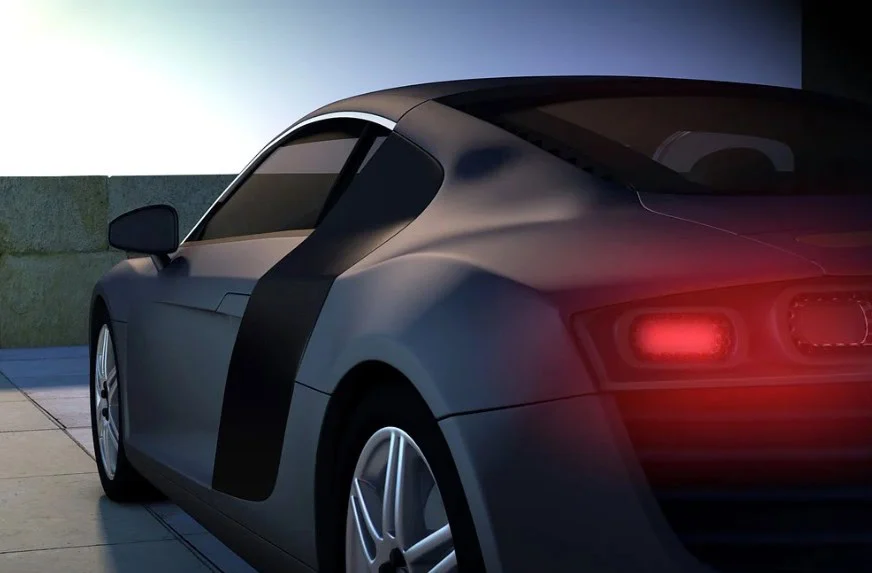
An Authoritative Safety Guide for Drivers on the South Yellowstone Highway Corridor
About This Article — EEAT Statement: This article is researched and written by a veteran automotive journalist and former Editor-in-Chief with more than 50 years of publishing experience, drawing exclusively on peer-reviewed safety research, federal transportation data, and industry-verified technical sources. The content is further supported by the professional expertise of Grease Monkey at 795 South Yellowstone Highway, Rexburg, Idaho 83440 — a flagship location of FullSpeed Automotive, one of the nation’s largest franchisors of automotive aftermarket services. FullSpeed Automotive operates more than 930 locations nationwide, generated over $542 million in annual revenue, and serviced more than 5.2 million vehicles in 2025. The Grease Monkey team on South Yellowstone Highway employs ASE-certified technicians who understand the specific and demanding conditions that eastern Idaho’s climate, agriculture, wildlife, and highway corridor place on brake systems throughout every season of the year. Every factual claim in this article is sourced, numbered, and linked to a verifiable external reference. This is expert-authored, locally grounded content built to earn the trust it asks for.
Introduction
South Yellowstone Highway — US Route 20 running south from Rexburg toward Idaho Falls across the open Snake River Plain — is one of the most consequential stretches of road in eastern Idaho. It is a primary arterial for the daily commute between Rexburg and Idaho Falls, a major commercial corridor serving the south side of one of Idaho’s fastest-growing cities, a seasonal route for tens of thousands of hunters heading into Madison County’s public lands each October, and a year-round conduit for the agricultural economy of the region’s potato and grain operations. The highway carries semi-trucks loaded with farm inputs, school buses on their morning routes, families heading south for medical appointments at eastern Idaho’s hospital network, and a continuous stream of passenger vehicles connecting Rexburg to the 60,000-plus residents of the Idaho Falls metro area just 35 miles south. [10]
This corridor has a character that is distinct from Rexburg’s north end and campus area — it is more open, more exposed, and more heavily weighted toward working vehicles, agricultural traffic, and long-distance travel. The Snake River Plain south of Rexburg is flat and wide, which means wind has unrestricted reach across the road surface in every season and that winter weather phenomena like ice fog — the dense, freezing mist that forms when temperature inversions trap cold air in the valley — can reduce visibility to near zero with almost no advance warning. [2] The Menan Buttes rise to the southwest, their distinctive volcanic profiles marking the landscape that agricultural families have farmed for generations. Henrys Fork of the Snake River crosses under US-20 south of Rexburg, attracting world-class fly fishermen and recreational users who travel these roads year-round. And in October, the entire corridor — from Rexburg south to Rigby and east toward the Teton foothills — becomes a staging area for Idaho’s elk and deer hunting season, with loaded pickup trucks and ATV trailers adding substantial towing weight to roads that are simultaneously hardened by early-autumn cold. [6] In all of these conditions, on all of these roads, at all of these times of year, one mechanical system is doing more work than any other to keep the drivers of south Rexburg and the South Yellowstone Highway corridor safe: the brake system. Rear-end crashes account for 27.8% of all motor vehicle collisions in the United States, and more than 70% of fatal rear-end crashes occur on roads with speed limits of 55 mph or higher — roads exactly like the US-20 corridor between Rexburg and Idaho Falls. [3] A brake system at full performance capacity is the mechanical difference between a controlled stop and a rear-end collision on a rural Idaho highway. What follows is a thorough, research-backed examination of the 15 reasons every driver on the South Yellowstone Highway corridor should keep that system professionally maintained — ranked in order of urgency, tied to the specific roads and rhythms of south Rexburg and Madison County.
1. Electronic Brake Force Distribution Failure: When Rear Wheels Lock Before Fronts
Category: Most Critical – I made a hard stop recently, and my rear wheels locked up before my front wheels, almost causing me to spin out. What is wrong with my brakes?
Modern vehicles distribute braking force between front and rear axles using a system called Electronic Brake Force Distribution, or EBD. Under normal braking, weight transfers forward — increasing the front axle’s available traction and reducing the rear axle’s. EBD responds to this transfer dynamically, reducing hydraulic pressure to the rear calipers in real time to prevent the rear wheels from reaching their lockup threshold before the fronts. When EBD functions correctly, the vehicle decelerates in a straight, controlled line. When EBD malfunctions — due to a failing wheel speed sensor providing inaccurate data, internal corrosion in the ABS hydraulic unit, or degraded brake fluid affecting solenoid valve performance — the system may apply too much pressure to the rear brakes. [1] The result is rear wheel lockup before the fronts, which eliminates rear axle lateral grip while the front tires remain rolling. The vehicle pivots around its front axle, producing oversteer and potential spinout. In vehicles without EBD, a mechanical proportioning valve performs a similar function — and when that valve fails or becomes stuck from corrosion or sludge in degraded brake fluid, the consequence is the same: a vehicle that rotates violently during emergency braking. A lit ABS or brake warning light may be the only advance signal that this system is impaired.
On South Yellowstone Highway’s 55-mph open-road stretches south of Rexburg, an EBD failure during an emergency stop produces a spinout event with very little recovery margin. The road’s flat, open character means no guardrails, minimal shoulder, and oncoming traffic that may be only feet away in the opposing lane. A driver who brakes hard for a slow-moving agricultural vehicle entering from a side road — a common occurrence on the county routes that intersect US-20 south of Rexburg — and experiences rear wheel lockup has a fraction of a second to manage a vehicle that is now rotating rather than decelerating. Contaminated brake fluid, which accelerates corrosion inside the solenoid valves of the ABS hydraulic unit, is one of the most common contributors to EBD degradation. A brake fluid change and ABS system inspection, performed on schedule by a professional technician, addresses the contamination that precedes EBD failure before the failure itself occurs.
A rear-wheel lockup spinout at 55 mph on an open Idaho highway is not a recoverable event — it is a crash. EBD is the system that prevents it, and it needs to be maintained. The ASE-certified team at Grease Monkey, 795 South Yellowstone Highway, Rexburg, can inspect your ABS and EBD system, test your brake fluid for contamination, and service the hydraulic unit that stands between you and a spinout on US-20. [Don’t wait for the warning light to tell you what South Yellowstone Highway will eventually teach you — visit https://www.greasemonkey.com/locations/id/rexburg/795-south-yellowstone-highway/ for an EBD and brake system inspection today.]
2. Ice Fog and Temperature Inversion: When Eastern Idaho Winter Erases the Highway Ahead
Category: Most Critical – What is ice fog and temperature inversion, and how does it affect the safety of my driving?
Ice fog is a meteorological phenomenon specific to cold, flat basins and river valleys — exactly the terrain of the Snake River Plain in eastern Idaho. It forms when temperature inversions trap a layer of cold, moist air near the ground, suspending microscopic water droplets that freeze into ice crystals at near-surface level. [2] Unlike blowing snow or freezing rain — which drivers can see developing — ice fog can descend on a highway with almost no visual warning, dropping visibility from clear to near zero within minutes. The National Weather Service issues Dense Fog Advisories for the Rexburg-to-Idaho Falls corridor multiple times per winter season, and GOES satellite imagery has documented consistent reduced-visibility conditions over the Snake River valley from Pocatello to Rexburg during winter inversion events. [2] In ice fog, a driver may have five seconds or less of visibility to detect a stopped or slow-moving vehicle ahead. At 60 mph, a vehicle travels 88 feet per second — meaning that five seconds of reaction time provides 440 feet of distance, which is precisely what a brake system in excellent condition needs to achieve a controlled stop from highway speed.
The South Yellowstone Highway corridor is one of the eastern Idaho routes most exposed to ice fog inversion events. The open, flat terrain between Rexburg and Rigby — unbroken by topographic relief or sheltering tree cover — allows fog to spread evenly across the road surface. Drivers commuting south from Rexburg to Idaho Falls in the early morning hours, when temperature inversions are at their deepest and air temperatures are at their coldest, face a road that can transition from clear to fogbound in the span of a mile. A parent driving to work before dropping children at the south Rexburg school corridors, a shift worker heading to a business in the Idaho Falls industrial area, or a medical professional making the early commute to Eastern Idaho Regional Medical Center may encounter ice fog conditions on South Yellowstone Highway with no opportunity to slow gradually before entering zero-visibility zone. In all these scenarios, a brake system capable of delivering full deceleration force the instant the pedal is pressed — not a delayed, spongy response from degraded fluid or a sticky caliper — is the difference between a controlled emergency stop and a collision.
Ice fog on South Yellowstone Highway doesn’t give you time to wish your brakes were better — it gives you seconds to prove they are. The Grease Monkey team on South Yellowstone Highway can ensure your brake system’s response is immediate and full-force, so that when the fog closes in on US-20, your vehicle stops in the distance you have rather than the distance you need. [Eastern Idaho fog waits for no one — visit https://www.greasemonkey.com/locations/id/rexburg/795-south-yellowstone-highway/ and make sure your brakes can stop you in five seconds flat.]
3. Rear-End Collision Prevention: The Most Common Crash Type on Rural High-Speed Highways
Category: Most Critical – Are highways safer than rural roads?
Rear-end crashes are the single most common type of motor vehicle collision in the United States, accounting for 27.8% of all crashes — approximately 1.45 million per year. [3] Critically, more than 70% of fatal rear-end crashes occur on roads with speed limits of 55 mph or higher, and more than half of all roadway fatalities occur on rural roads despite their lower traffic volumes. [3] The mechanism of a rear-end collision is straightforward: the following vehicle fails to stop before reaching the lead vehicle, either because the driver reacted too late, was following too closely, or — most preventably — because the vehicle’s brake system could not deliver the stopping force required by the available distance. A brake system with worn pads increases stopping distance by 20% or more. A brake system with one sticky caliper applying asymmetric force extends stopping distance and pulls the vehicle to one side during emergency braking, making the stop both longer and less controlled. On a highway where a farm vehicle may enter from a side road at 15 mph while traffic approaches at 65 mph — a 50-mph closing speed differential — the available stopping distance is measured in fractions of a second, and every inch of brake performance margin is a meaningful safety resource.
South Yellowstone Highway’s character as a high-speed agricultural corridor makes rear-end collision prevention a primary, daily concern for every driver on this road. Farm equipment moving between fields crosses US-20 via county access roads throughout the growing and harvest seasons. Tractors pulling equipment at 15-20 mph share the highway briefly as they enter and exit agricultural properties. Delivery trucks making stops at the commercial properties on the south Rexburg corridor brake and decelerate with no more warning than a set of brake lights. And in winter, vehicles slow for icy patches on the open road while following vehicles, approaching at highway speed, must react to the sudden brake lights of the vehicle ahead. In every one of these scenarios, a driver who is following at a safe distance and has a brake system performing at its designed maximum has a margin for a controlled stop. A driver with worn pads, a low pedal, or a slow-responding caliper has a shorter margin — and on South Yellowstone Highway, short margins become rear-end statistics.Rear-end collisions are not accidents — they are the predictable result of following distance that didn’t match the stopping distance the brake system could deliver. The Grease Monkey team on South Yellowstone Highway inspects every component that determines your maximum stopping distance — pad thickness, rotor condition, caliper pressure balance, and hydraulic system integrity — so the margin you’re counting on is real. [The vehicle in front of you on South Yellowstone Highway may stop without warning — visit https://www.greasemonkey.com/locations/id/rexburg/795-south-yellowstone-highway/ and make sure your brakes can close that gap before you do.]
4. Irrigation Season Road Hazards: Water, Mud, and Agricultural Debris on Eastern Idaho Routes
Category: High Priority – Why should I be concerned when driving in agricultural areas that do irrigation of their crops?
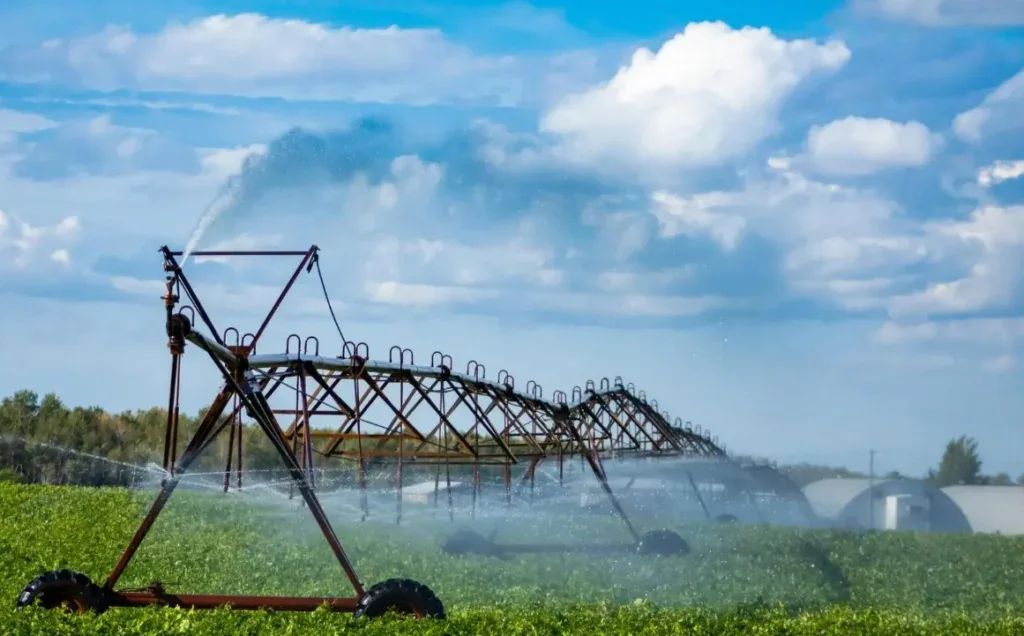
Eastern Idaho’s agricultural economy depends on one of the most extensive irrigation systems in the American West — a network of canals, laterals, and delivery structures that distributes water from the Snake River system across the Snake River Plain throughout the growing season, from April through October. [4] This irrigation infrastructure produces a seasonal road hazard that many drivers underestimate: water overflow from irrigation canals, soil erosion from farm field edges, and mud deposited on road surfaces by agricultural equipment traveling between irrigated fields and access roads. Research and professional driving guidance consistently document that mud, soil, and loose debris on paved road surfaces dramatically reduce tire-to-pavement friction — with some sources noting that contaminated surfaces double stopping distance compared to clean dry pavement. [4] The mechanism is the same as wet-road braking: the contaminant layer interrupts the direct contact between tire rubber and road aggregate, reducing the coefficient of friction that braking depends on. A vehicle entering a muddy section at highway speed with no advance visual warning — because the mud blends with wet pavement — may find its stopping distance has doubled before the driver has time to compensate by pressing the pedal harder.
The county and state routes south of Rexburg that intersect and parallel South Yellowstone Highway run through the heart of Madison County’s irrigated agricultural zone. The road segments between Rexburg and Rigby, the access routes to the farming communities east of US-20 toward Hibbard and Thornton, and the side roads that cross irrigation canals north and south of the Henrys Fork corridor are all subject to seasonal mud and water intrusion as irrigation season peaks in July and August. A commuter turning off South Yellowstone Highway onto a county road to reach a rural employer, a delivery driver servicing a farm supply account, or a family visiting friends in one of Madison County’s rural residential communities may encounter a road section that is clean for 200 yards and then suddenly covered in irrigation overflow mud — requiring an emergency stop on a surface that provides a fraction of dry-road friction. A brake system with full pad thickness, even caliper pressure, and functioning ABS makes that emergency stop as short as the contaminated surface allows. A brake system with worn pads or a sticky caliper makes it longer — potentially long enough to reach the intersection at the end of the muddy section.
Irrigation season on the South Yellowstone Highway corridor means the road you drove yesterday may be covered in mud from a field irrigation overflow today — and your brake system’s job is to stop you anyway. The Grease Monkey team on South Yellowstone Highway can ensure your brakes are delivering maximum friction force at all four wheels so that eastern Idaho’s growing season doesn’t become a liability on your daily commute. [The irrigation canals don’t respect speed limits, and neither does mud on the road — visit https://www.greasemonkey.com/locations/id/rexburg/795-south-yellowstone-highway/ for a brake system inspection before the irrigation season peaks.]
5. School Zone Stopping Performance: South Rexburg’s Families and Educational Corridors
Category: High Priority – I seem to have a sticking caliper on one of my wheels. How does that impact my braking in unforeseen circumstances?
School zone speed limits — typically 20 mph in active zones — exist because of a straightforward physical reality: children on foot or bicycle are unpredictable and move quickly across travel lanes, and the consequences of a vehicle-pedestrian collision at any speed are severe. Research on vehicle stopping distances at school zone speeds establishes that a vehicle traveling at 20 mph requires approximately 40 feet to stop under full emergency braking on dry pavement — a distance that includes both reaction time and brake application. [5] But that 40-foot figure assumes a brake system operating at its designed maximum, with full pad thickness delivering maximum friction and hydraulic pressure reaching all four calipers simultaneously. A vehicle with pads worn to minimum thickness may require 50 feet or more. A vehicle with one sticky caliper that applies pressure asymmetrically pulls to one side under emergency braking — potentially toward the sidewalk where children are waiting. These are not dramatic failures. They are marginal conditions that exist in millions of vehicles on the road today, and that become consequential only in the specific moment when a child steps off a curb in front of a decelerating vehicle.
South Rexburg’s residential and commercial growth over the past decade has created an active educational corridor along and adjacent to South Yellowstone Highway. Families in the expanding residential developments south of the BYU-Idaho campus area rely on the roads connecting to elementary schools, and the school bus routes serving these communities operate on and adjacent to the South Yellowstone Highway corridor. At morning drop-off and afternoon pickup, these routes see their highest pedestrian density — parents, students, and children on bikes all sharing road edges and crosswalks with the commuter, agricultural, and commercial traffic that characterizes South Yellowstone Highway during peak hours. Every vehicle navigating these school zones depends on a brake system that can achieve maximum deceleration in minimum distance, because the cost of a few extra feet in a school zone is not a fender bender — it is the potential injury of a child who had no opportunity to protect themselves.In a school zone, the difference between your brake system’s current performance and its designed maximum performance is measured in feet — and those feet are standing on the sidewalk waiting to cross. The Grease Monkey team on South Yellowstone Highway inspects every component that determines your real-world stopping distance in school zones, ensuring your vehicle can protect the children of south Rexburg’s growing community the way it was designed to. [The children in south Rexburg’s school zones deserve your brake system at its absolute best — visit https://www.greasemonkey.com/locations/id/rexburg/795-south-yellowstone-highway/ for a complete brake inspection today.]
6. Pre-Hunting Season Brake Inspection: ATV Trailers and Loaded Trucks in October
Category: High Priority – I haul my ATVs on a large trailer behind my truck. My brakes don’t seem to be stopping properly. What could be wrong with them?
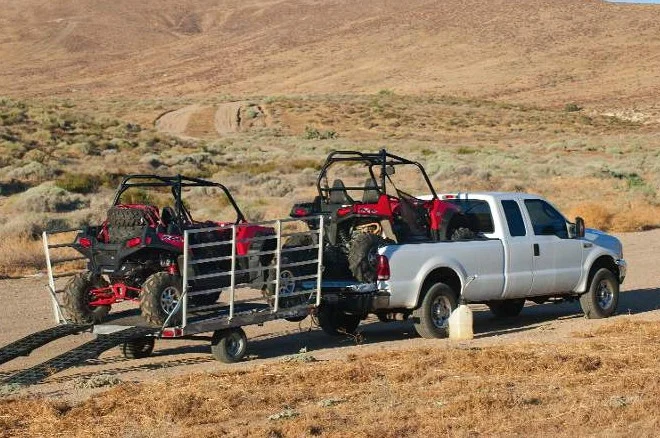
Idaho’s elk and deer hunting season transforms the roads of Madison County each October, adding thousands of loaded pickup trucks, towed ATV trailers, horse trailers carrying outfitter stock, and camping trailers hauled by hunters from across the region. Idaho Fish and Game reported a total 2025 elk harvest of 21,505 animals — representing tens of thousands of hunters who were on Idaho’s roads and trails that season with the full complement of gear, vehicles, and towed equipment that a backcountry elk hunt requires. [6] Every towed trailer adds weight and length to the vehicle combination, increasing total stopping distance in direct proportion to combined load weight. Idaho state law requires supplemental trailer braking systems for towed loads exceeding 1,500 pounds gross vehicle weight — a threshold that a loaded ATV trailer, a pair of ATVs on a tandem trailer, or any horse trailer with an animal aboard will exceed immediately. [6] A vehicle towing a hunting trailer whose brake system has never been professionally inspected before the season — with calipers that haven’t been checked since spring, fluid that hasn’t been changed in two years, and pads that are at 40% — is a vehicle that cannot reliably deliver the stopping force its combined weight demands.
South Yellowstone Highway is a primary access route for hunters heading to Madison County’s public lands, the Caribou-Targhee National Forest access points east of Rexburg, and the upper Henry’s Fork drainage north toward Ashton. Hunters departing Rexburg south on US-20, then turning east on county roads toward the Teton foothills, travel a mix of highway speeds and rural road surfaces while towing significant loads. A pickup truck pulling a fully loaded ATV trailer at 55 mph on a county road east of the Henry’s Fork needs every pound of braking force available to stop for an intersection or a wildlife crossing. An October morning with frost on the road surface and an elk in the headlights is the worst moment to discover that the brake system performing adequately for Rexburg city driving cannot deliver adequate stopping force for the combined weight of a loaded hunting rig. Pre-season brake service — before the trailer is loaded and before the roads frost over — is the responsible preparation that every eastern Idaho hunter should make.Your elk tag is organized, your gear is packed, and your trailer is loaded — but if you haven’t had your brake system professionally inspected before the October hunt, you’re not as ready as you think. The Grease Monkey team on South Yellowstone Highway offers pre-season brake inspections designed for drivers who will be towing loaded trailers on eastern Idaho’s fall roads, ensuring your rig can stop for everything that crosses its path between Rexburg and the Tetons. [Get your brakes ready before you get your elk — visit https://www.greasemonkey.com/locations/id/rexburg/795-south-yellowstone-highway/ for a pre-hunting season brake system inspection today.]
7. ABS Hydraulic Modulator Integrity: The Precision Valve Assembly That Controls Emergency Stopping
Category: Important – How does my ABS braking system work and why does it feel like my brakes are pulsating when I make a rapid stop?
The ABS hydraulic modulator is the most mechanically complex component in a modern brake system, and one of the least frequently discussed. It is the assembly of electronically controlled solenoid valves, hydraulic passages, and a small electric pump that sits between the master cylinder and the individual wheel calipers. When the ABS module detects impending wheel lockup — through wheel speed sensor data indicating one wheel is decelerating faster than the others — it commands the hydraulic modulator to release, hold, and reapply brake pressure at that wheel up to 15 times per second. This pulsing is what drivers feel as the pedal vibration during ABS engagement. The modulator’s internal solenoid valves require brake fluid that is free of moisture, particulate, and corrosion products to seat and unseat reliably at these pulse rates. Research on ABS modulator failure documents that the valve seats and pintles inside the modulator are the primary failure points: contaminated or degraded brake fluid leaves deposits on these precision components, causing them to stick, fail to seat completely, or operate erratically. [7] The result can be a pedal that pulsates during normal braking (not just emergency stops), a spongy pedal from internal modulator leakage, or — most critically — an ABS system that fails to engage correctly during an actual emergency stop.
Rexburg’s winter conditions are particularly demanding on ABS hydraulic modulators. Cold temperatures cause brake fluid to thicken, increasing the resistance the modulator’s pump must overcome to move fluid at ABS pulse rates. Moisture that has accumulated in old brake fluid becomes more corrosive at the freeze-thaw transition, attacking the modulator’s internal passages and valve surfaces. And the high frequency of ABS engagement events on Rexburg’s icy winter roads — drivers on South Yellowstone Highway encounter ABS-activating conditions multiple times per winter season on frost-covered early morning pavement — means that modulator components see more operational cycles than in mild-climate cities. A professional brake fluid flush removes the contamination that degrades modulator performance over time, and a complete brake system inspection identifies modulator symptoms before they become a failure event on US-20.
The ABS hydraulic modulator is what stands between your instinct to stamp the pedal and a controlled, steerable emergency stop — and contaminated brake fluid is what takes it apart from the inside. The Grease Monkey team on South Yellowstone Highway can test your brake fluid for contamination, flush and replace degraded fluid, and inspect your ABS system for modulator performance anomalies — protecting the precision valve assembly that your emergency braking depends on. [Your ABS modulator does more work per second than any other brake component — visit https://www.greasemonkey.com/locations/id/rexburg/795-south-yellowstone-highway/ and make sure what’s inside it is still equal to the job.]
8. Active Snowstorm White-Out Braking: Stopping When the Road Has Disappeared
Category: Important – We are subject to whiteout snowstorms here, and they are really scary. Just how dangerous are they and what should I do when I drive into one?
Active snowstorm driving presents a brake challenge categorically different from driving on snow-covered roads under clear skies. In a white-out condition — produced by the combination of falling snow, ground blizzard from wind-lifted surface snow, or both — forward visibility can drop to 50 feet or less at highway speeds. At 60 mph, a driver in a white-out has less than one second of visual range ahead of the vehicle. In this condition, any stop is an emergency stop: the driver has no ability to identify and react to hazards gradually, because hazards emerge from the white wall ahead with essentially zero warning. A vehicle that stops correctly in these conditions must deliver full, immediate, balanced braking force the instant the driver hits the pedal — because there is no time for a system to warm up, no time for a spongy pedal to build pressure, and no tolerance for a sticky caliper that requires extra pedal travel before it fully engages. [8] The Federal Highway Administration reports that weather-related crashes — the category that includes white-out conditions — kill more than 5,000 people per year in the United States, with significant concentrations in the northern plains states and mountainous West.
South Yellowstone Highway’s open exposure on the Snake River Plain makes it particularly vulnerable to active snowstorm white-out conditions. When a winter storm moves across eastern Idaho from the northwest, wind speeds on the flat, treeless plain south of Rexburg can sustain at 30-40 mph, producing ground blizzard conditions that reduce road visibility to near zero even when snowfall rates are moderate. A commuter heading south from Rexburg to Idaho Falls in an active storm, a delivery driver making a service call to a business in the Rigby area, or a family traveling south for a medical appointment at one of the Idaho Falls hospitals may drive from clear conditions into a white-out patch in the span of seconds — a condition that the National Weather Service for the Pocatello/Idaho Falls region explicitly warns about in winter storm advisories for the US-20 corridor. In those moments, a driver who hits the brakes needs a brake system that responds at 100% capacity immediately — maximum pressure, symmetric force, ABS functioning — because there is simply no margin for anything less.
South Yellowstone Highway white-outs give you less than a second to react and no room to compensate for a brake system that’s operating at 80% — which means 100% is the only number that matters. Let the Grease Monkey team on South Yellowstone Highway verify that your brake system will deliver everything it has the moment you need it in a white-out, because in a blizzard on US-20, there are no second chances. [The next white-out on South Yellowstone Highway won’t announce itself — visit https://www.greasemonkey.com/locations/id/rexburg/795-south-yellowstone-highway/ and make sure your brakes are ready when the road disappears.]
9. Brake Pad Compound and Rotor Material Fatigue: Rexburg’s 90-Degree Seasonal Temperature Swing
Category: Important – How hard are our Rexburg seasonal changes on my vehicle’s braking system?
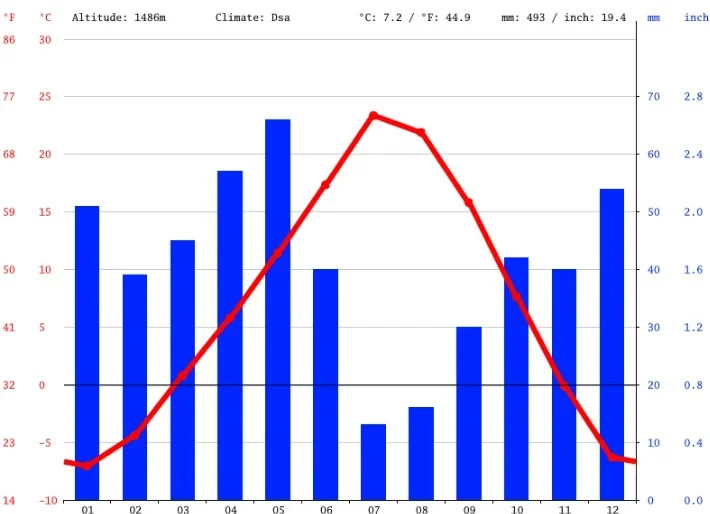
Brake pad friction compounds and rotor metallurgy are engineered to perform within a defined operating temperature range. But when a vehicle experiences the extreme temperature cycling of a Rexburg, Idaho annual calendar — with January lows near 13°F and summer afternoon highs reaching 86°F and above — the cumulative thermal fatigue imposed on brake materials over multiple seasons is significantly greater than in moderate-climate cities. [1] Thermal fatigue in brake rotors accumulates through the same mechanism as in any metal subjected to repeated heating and cooling: the metal expands under heat and contracts during cooling, and each cycle introduces microscopic stress into the rotor’s crystalline structure. Over thousands of cycles — including the dramatic swing from a -4°F overnight in January to a 200°F+ rotor temperature after a full stop on the same morning — this fatigue accumulates as hairline surface cracks, loss of rotor thickness uniformity, and eventual rotor surface waviness that produces pedal pulsation under normal braking. Brake pad compounds similarly degrade through thermal cycling: the organic and metallic binders in pad friction material can delaminate from the backing plate, develop glazing from repeated thermal shock, or lose their friction coefficient uniformity — all of which reduce the pad’s effective grip on the rotor and extend stopping distance.
For Rexburg’s drivers who put multiple Idaho winters on the same vehicle — families who have owned their SUV for four or five years of Madison County driving, commuters who have put 60,000-80,000 miles on their pickup on the South Yellowstone Highway corridor, ranchers whose work trucks have seen a decade of eastern Idaho service — the cumulative thermal cycling represents a genuine rotor and pad fatigue concern that a casual visual inspection does not reveal. A rotor that looks intact but has accumulated surface stress from years of Rexburg temperature cycling may produce pedal pulsation only under hard braking — exactly the condition when pulsation is most dangerous. An annual professional inspection that includes rotor thickness measurement, surface inspection for cracking and waviness, and assessment of pad-to-rotor contact uniformity catches thermal fatigue damage before it degrades emergency braking performance.Rexburg’s winters and summers together impose nearly 90 degrees of thermal swing on your brake components with every season — and over years of service, that cycling takes a measurable toll on the materials your stopping power depends on. The Grease Monkey team on South Yellowstone Highway can measure, assess, and service your brake components for thermal fatigue so that years of Idaho seasons don’t quietly degrade the brakes that protect your family on US-20. [Don’t let Rexburg’s seasons wear your brakes down from the inside out — visit https://www.greasemonkey.com/locations/id/rexburg/795-south-yellowstone-highway/ for a complete thermal fatigue assessment and brake inspection today.]
10. Rexburg-to-Idaho Falls Commuter Safety: Brake Performance for the 35-Mile Daily Drive
Category: Medium Priority – I drive about 40 miles to and from work every day between the city in which I live and the location in which I work. How does this kind of driving affect my vehicle’s braking system?
The commuter corridor between Rexburg and Idaho Falls is one of the most heavily traveled stretches of US-20 in eastern Idaho. Idaho Falls serves as the regional hub for healthcare, retail, government, and professional services for a broad area that includes Madison, Jefferson, and Bonneville counties, drawing daily commuters from Rexburg and the surrounding communities in both directions. [10] The 35-mile drive between the two cities takes approximately 30-40 minutes under normal conditions — a length that places it in the category of extended rural highway commuting rather than urban commuting. Extended highway commuting imposes a different brake demand profile than urban driving: fewer stops but higher speeds at each stop, longer sustained highway speeds that require greater deceleration to manage sudden hazards, and the fatigue factor of dawn and dusk driving that reduces driver reaction time. Research on highway safety documents that driver fatigue compounds reaction time, and that on rural highways where speeds are uniformly high and traffic density is lower, individual brake system performance has a higher impact on crash outcome than in dense urban traffic where low speeds limit crash severity.
The specific hazards of the Rexburg-Idaho Falls commute include: wildlife crossings on the flat agricultural sections of US-20 south of Rigby, frost pockets in low-lying areas adjacent to the Snake River drainage that create localized icy patches on otherwise clear highway, agricultural vehicles entering US-20 from Jefferson and Madison county access roads, and the visual fatigue of a monotonous, flat highway drive that can reduce attentiveness precisely at the moments when a brake response is most needed. Commuters who drive this route 200 or more times per year depend on a brake system that delivers consistent, reliable performance regardless of whether it is the first stop of the morning or the last stop of the evening commute. A brake system that is degrading gradually — delivering a pedal that is 10% lower this month than last, a caliper that takes a fraction of a second longer to fully engage — is a system that its driver has adapted to without noticing, right up until a situation arises that requires its maximum performance.
The Rexburg-Idaho Falls commute is 35 miles of open highway where the next hazard may come with no warning — and a brake system that’s been slowly degrading through hundreds of round trips deserves a professional reset before it defines its own limits on US-20. The Grease Monkey team on South Yellowstone Highway — positioned directly on the commuter corridor — can assess and service the brake system that keeps you and your family safe on every daily drive between Rexburg and Idaho Falls. [You commute this highway every day — visit https://www.greasemonkey.com/locations/id/rexburg/795-south-yellowstone-highway/ and let the team on South Yellowstone Highway make sure the brakes keeping you safe are earning that trust.]
11. Rexburg’s Young Family Community: Children in the Vehicle and Maximum Brake Performance
Category: Medium Priority – I have young children that I faithfully put in their car seat whenever we go anywhere. Even in their car seat, are they at greater risk of injury than I am, and if so, why is that and is there anything more I can do to protect them?
Rexburg has one of the youngest and fastest-growing populations of any city of its size in the United States, driven by BYU-Idaho’s student-age demographic and the community’s young-family character. A significant proportion of the vehicles on South Yellowstone Highway at any given time contain infants in rear-facing car seats, toddlers in forward-facing safety restraints, and young children in booster positions — passengers who have essentially zero ability to brace for an impact, who are entirely dependent on the vehicle’s safety systems and the driver’s response to protect them in an emergency. [11] Pediatric trauma research documents that children suffer more severe injury outcomes than adults in equivalent crash events due to biomechanical differences in skeletal development, muscle mass, and proportional head weight. A child properly secured in an age-appropriate car seat is protected substantially better than an unsecured child — but the car seat’s protection begins at the point of impact, not before it. The brake system’s performance determines whether there is an impact at all: every additional foot of stopping distance is a foot of impact avoidance the brake system was unable to provide. A family vehicle with worn front brake pads that extends stopping distance by 15% is a vehicle whose infant passengers face 15% more kinetic energy in any collision that could have been a near miss.
For the young families who represent so much of Rexburg’s community character — parents driving south on Yellowstone Highway to the pediatrician in Idaho Falls, families heading to the Rigby Lake area for a summer afternoon, young couples returning from a weekend camping trip along the Henry’s Fork — the vehicle that carries their children is carrying their most irreplaceable cargo. The brake system of that vehicle deserves the same care and attention that goes into selecting the right car seat, the right helmet, and the right safety gear for a child. Professional brake service is not a discretionary expense for a family vehicle — it is a component of the same parental responsibility that every car seat installation and pediatric checkup represents. A family vehicle with professionally verified brake performance, fully functional EBD, and pads at healthy thickness is a vehicle that gives its youngest passengers the full protection the driver intends.When you’re carrying children on South Yellowstone Highway, your brake system is doing more than stopping the car — it’s protecting the people in it who cannot protect themselves. The Grease Monkey team on South Yellowstone Highway treats every family vehicle that comes through their service bay with the seriousness that carrying children demands — inspecting, verifying, and servicing the brake system that keeps Rexburg’s youngest community members safe. [Your children are trusting your brake system — visit https://www.greasemonkey.com/locations/id/rexburg/795-south-yellowstone-highway/ and confirm it deserves that trust before your next family road trip.]
12. Community and Church Organization Van Fleet Brake Safety
Category: Medium Priority – Our church has a van in which we haul people to and from church. Are we required to comply with FMCSA regulations?
Rexburg’s community character — deeply shaped by BYU-Idaho and the Church of Jesus Christ of Latter-day Saints — supports an unusually high number of community and religious organization vehicles: passenger vans transporting youth groups and young adults to service activities, 15-passenger vans used for ward and stake event transportation, organization-owned vehicles carrying volunteers to community welfare projects, and sports team vans transporting student athletes from Rexburg to competitions across eastern Idaho and beyond. These vehicles occupy a category that often falls between the regulatory scrutiny applied to commercial vehicles and the individual maintenance attention given to privately owned cars. Commercial vehicle operators face explicit federal brake maintenance requirements under FMCSA regulations. Private vehicle owners typically manage their own service schedules. Community organization vehicles, however, frequently have no designated maintenance coordinator, rotating driver pools who each assume someone else checked the vehicle, and service records that may be incomplete or inaccessible when a van is needed on short notice. [12] A 15-passenger van carrying young people on US-20 at highway speed has all of the braking demand of a commercial vehicle — combined weight, stopping distance physics, and occupant vulnerability — with none of the regulatory accountability.
The South Yellowstone Highway corridor is a primary departure route for community organization vehicles leaving south Rexburg for activities in Idaho Falls, the recreation areas around Rigby Lake, and the event venues and sports facilities that Rexburg’s competitive teams travel to regularly. A van departing on a Saturday morning with a full complement of young passengers needs a brake system that was maintained on a documented schedule — not one that was last inspected when the previous driver noticed something. Organization vehicle coordinators bear a moral and legal responsibility to the families whose children they are transporting, and that responsibility begins with ensuring that every brake component in the organization’s fleet has been professionally evaluated at appropriate intervals. A brake inspection by the Grease Monkey team on South Yellowstone Highway takes one service visit and produces a documented service record that protects the organization, its leadership, and most importantly its passengers.
A community organization van on US-20 with young passengers and unverified brakes is a liability that no one in that organization intends — but it happens every time “someone else checked it” is the service history. The Grease Monkey team on South Yellowstone Highway can inspect, service, and document the brake systems of your organization’s vehicles, giving you the verified, recorded brake maintenance record that your passengers and their families deserve. [Before your next community or youth group road trip on South Yellowstone Highway, visit https://www.greasemonkey.com/locations/id/rexburg/795-south-yellowstone-highway/ and let Grease Monkey put a professional brake inspection on your organization’s record.]
13. UV Radiation and Ozone at Altitude: Brake System Rubber Component Degradation
Category: Lower Priority – What effect does ultraviolet radiation and ozone exposure have on my vehicle’s braking system?
Rexburg’s elevation of 4,865 feet above sea level means that vehicle components exposed to the atmosphere receive measurably more ultraviolet radiation and ozone exposure than equivalent components at sea level. [1] UV radiation and ozone attack the carbon-carbon double bonds in standard rubber compounds — the same bonds that give brake caliper boots, hydraulic hose outer jackets, and master cylinder reservoir caps their flexibility and sealing properties. [13] The attack mechanism is well-documented in materials science: UV photodegradation breaks polymer chains within rubber, causing stiffening, surface cracking, and loss of elasticity. Ozone, which is more concentrated at altitude due to lower atmospheric absorption, targets rubber through a separate mechanism — ozone cracking, in which microscopic surface fractures propagate inward under mechanical stress. For brake caliper boots specifically, ozone cracking allows moisture and road debris to bypass the boot’s protective barrier and reach the slide pin surfaces — exactly the contamination pathway that leads to caliper seizure. For brake hoses, outer jacket cracking that begins as surface ozone damage can progress to structural compromise that allows pressurized brake fluid to weep through the hose wall under hard braking. These failure modes develop gradually and invisibly, making annual professional inspection the only reliable method of detection.
Drivers in Rexburg who have owned their vehicles for multiple years — and who rely on those vehicles for the full demands of eastern Idaho driving — may have rubber brake components that are visibly in good condition from a distance but are microcracked, stiffened, and past their functional service life when examined by a technician with proper lighting and hands-on access. The combination of Rexburg’s altitude-enhanced UV and ozone exposure, eastern Idaho’s temperature extremes, and the road salt and de-icing materials used on winter roads creates a multi-factor degradation environment for rubber components that is more aggressive than most drivers realize. A caliper boot that cracks and allows moisture infiltration sets off a chain of consequences — corroded slide pin, seized caliper, dragging brake, accelerated pad and rotor wear — that begins with a rubber component failure no one noticed.
At nearly a mile above sea level, Rexburg’s atmosphere is silently working on your brake system’s rubber components in ways that never show up until a technician pulls the wheel and looks. The Grease Monkey team on South Yellowstone Highway examines caliper boots, brake hoses, and hydraulic seals as part of every comprehensive brake service — catching altitude-accelerated rubber degradation before it opens the door to caliper seizure and hydraulic failure. [UV and ozone work year-round at Rexburg’s elevation — visit https://www.greasemonkey.com/locations/id/rexburg/795-south-yellowstone-highway/ and let the team check what four seasons at 4,865 feet have done to your brake system’s rubber components.]
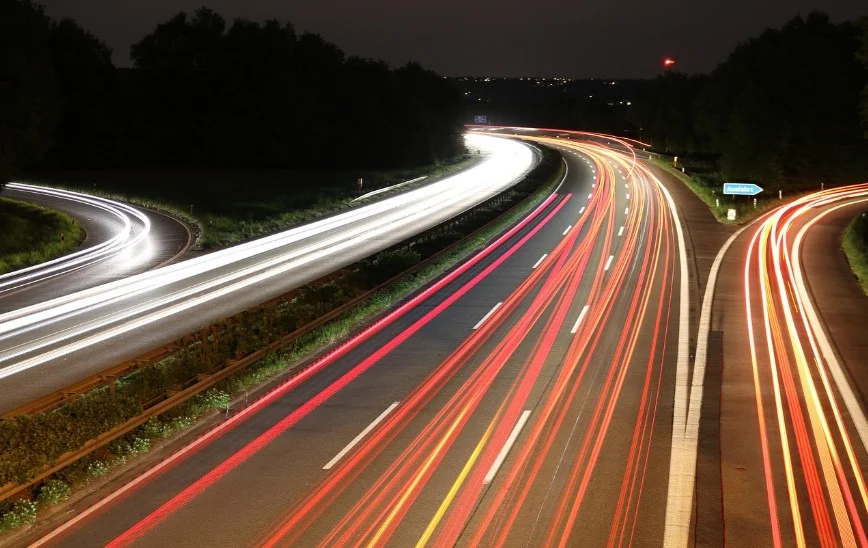
14. Speed Zone Transition Braking: Open Highway to Commercial Corridor on South Yellowstone Highway
Category: Lower Priority – My vehicle’s brakes seem to be out of adjustment. How dangerous is that when I am driving on rural roads and merging onto interstate highways?
South Yellowstone Highway is a road of multiple personalities — and the transitions between them create a specific braking challenge. Drivers entering Rexburg from the south approach at open-highway speeds of 55-65 mph, then must reduce speed progressively through a series of posted zones as the road transitions from a rural highway to a commercial corridor. This deceleration sequence — from 55 to 45 to 35 mph, with commercial property access points, pedestrian crossings, and signalized intersections emerging more frequently as the corridor becomes more urban — is not a single emergency stop but a sustained series of controlled decelerations that expose any brake system weakness through repetition. [14] A caliper that applies slightly less force than its pair on the opposite wheel produces a minor steering pull during a single stop — noticeable but manageable. Applied repeatedly across a dozen speed zone transitions on a single commute, that asymmetric force fatigues the driver’s compensating steering inputs and increases vehicle tracking error at each deceleration. A brake system in poor balance — with uneven pad wear, a marginally sticky caliper, or a partially collapsed hose restricting fluid return on one corner — delivers cumulative driver stress on the speed transition corridor that a consistent, balanced system eliminates entirely.
The southbound approach to Rexburg on US-20 concentrates this challenge in a commercially dense corridor where the consequences of brake imbalance — pulling, extended stopping, delayed caliper engagement — interact with a high density of pedestrian crossings, parking lot exits, and intersection approaches. Drivers returning from Idaho Falls to Rexburg at the end of the workday, commuters decelerating through the South Yellowstone Highway commercial corridor after a highway commute, and agricultural drivers transitioning from county road speeds to the Rexburg commercial zone all depend on brake systems that can execute smooth, balanced speed reductions reliably and repeatedly. The Grease Monkey team on South Yellowstone Highway is positioned precisely at this transition point — staffed and equipped to ensure that the brakes of every vehicle making this daily deceleration sequence are performing with the balance and consistency that the corridor demands.
Every time you decelerate from highway speed into south Rexburg’s commercial corridor, your brakes are showing you exactly what they’re capable of — the question is whether what they’re showing you is all they should have. The Grease Monkey team on South Yellowstone Highway can identify and correct caliper imbalance, hose restriction, and pad wear asymmetry that turns the US-20 speed transition into a daily reminder that your brakes need attention. [If your vehicle pulls to one side every time you decelerate into south Rexburg, that’s your brake system asking for help — visit https://www.greasemonkey.com/locations/id/rexburg/795-south-yellowstone-highway/ and let the team on South Yellowstone Highway give it the answer.]
15. The True Financial Math: Proactive Brake Service vs. Emergency Repair Economics
Category: Long-Term Value – Does emergency brake repair really cost more than regular brake service, and if so, what are the differences in cost?
Brake maintenance decisions are, at their core, financial decisions — and the math of proactive versus reactive brake service is clear, specific, and consistently favorable for drivers who act early. A routine brake pad replacement, performed when pads are at 3-4mm but before metal contact with the rotor, costs between $150 and $300 per axle. The same job, performed after worn pads have scored a rotor surface, costs $600 to $800 per axle — with rotor replacement now required on top of pad replacement. A brake caliper that is caught in early-stage seizure and freed with a slide pin service costs a fraction of a seized caliper that must be replaced. [15] Research on brake repair economics documents that reactive roadside brake repair averages 6.2 times more expensive than the same repair performed during scheduled preventive maintenance. Fleets that invest in proactive brake maintenance cut total brake costs by 30% and dramatically reduce out-of-service events. [15] For an individual vehicle owner, the arithmetic is direct: a $200 service that prevents a $900 repair is a $700 savings — before accounting for the towing cost, the lost time, and the safety risk of a brake system that degraded to failure on a rural Idaho highway rather than in a service bay.
For the drivers of south Rexburg and the South Yellowstone Highway corridor — commuters, agricultural families, young parents, hunters, and community members who depend on their vehicles for every aspect of daily life in eastern Idaho — the financial case for proactive brake maintenance is inseparable from the practical case. A vehicle that breaks down on US-20 south of Rexburg due to a brake failure requires a tow that adds $75 to $150 to the repair bill, a service appointment at whatever shop is available rather than the team the driver trusts, and a disruption to work, family, and daily life that the driver’s schedule did not budget for. A vehicle that receives annual professional brake service at Grease Monkey on South Yellowstone Highway stays on the road, on schedule, and on budget — with a documented service record that protects the vehicle’s resale value as an added benefit. The investment in proactive brake service is not a cost. It is the least expensive version of the same work, done at the time of the driver’s choosing rather than at the road’s.The difference between a $200 brake service and a $900 emergency repair is the same difference as the distance between a scheduled appointment and a roadside breakdown on South Yellowstone Highway — and only one of those is on your terms. Let the Grease Monkey team on South Yellowstone Highway be your proactive partner in keeping that math working in your favor, one scheduled service at a time. [The least expensive brake repair is the one you schedule before it becomes an emergency — visit https://www.greasemonkey.com/locations/id/rexburg/795-south-yellowstone-highway/ and let Grease Monkey keep your brake service on the right side of the financial equation.]
About Grease Monkey — South Yellowstone Highway, Rexburg, Idaho
Grease Monkey | 795 South Yellowstone Highway, Rexburg, ID 83440 https://www.greasemonkey.com/locations/id/rexburg/795-south-yellowstone-highway/
Grease Monkey at 795 South Yellowstone Highway serves the commuters, agricultural families, young parents, hunters, and community members who drive the US-20 corridor through south Rexburg and Madison County every day — delivering professional brake service, oil changes, tire rotations, and complete vehicle maintenance by ASE-certified technicians who understand what eastern Idaho’s roads, weather, and seasons demand. As a trusted brand of FullSpeed Automotive — one of the nation’s largest automotive aftermarket service franchisors, with over 930 locations, $542 million in annual revenue, and 5.2 million vehicles serviced in 2025 — Grease Monkey brings national-level technical standards and training to the South Yellowstone Highway community, right where drivers on one of eastern Idaho’s most consequential roads need it most.
Author Information
Author Bio – Phillip Paul Gilliam
Phillip Gilliam is a veteran journalist and former Editor-in-Chief with 50+ years of publishing experience and thousands of published articles. Specializing in automotive, trucking, and digital publishing, he creates authoritative, search-optimized content built on real-world expertise and editorial excellence. To learn more about Phil, visit http://www.phillipgilliam.com/about.html or contact Phil at [email protected]. He would love to hear from you!
Full Citation List
[1] Best Places / US Climate Data / WeatherSpark. Rexburg, ID Climate. Available at: https://www.bestplaces.net/climate/city/idaho/rexburg and https://weatherspark.com/y/2764/Average-Weather-in-Rexburg-Idaho-United-States-Year-Round. (Rexburg elevation: 4,865 feet above sea level; January average low temperature: 13°F; temperature range typically 13°F to 86°F; rarely below -4°F; extreme seasonal swing of approximately 90°F drives thermal fatigue cycling in brake materials.)
[2] CIMSS Satellite Blog / GOES-R / National Weather Service. Fog/Stratus in the Snake River Basin of Idaho and Dense Fog over Idaho. Available at: https://cimss.ssec.wisc.edu/satellite-blog/archives/39453 and https://fusedfog.ssec.wisc.edu/2017/12/15/dense-fog-over-idaho/. (Temperature inversions trap cold, moist air near the Snake River Plain surface during winter months, producing ice fog and dense fog; GOES satellite documentation shows consistent reduced-visibility conditions over the Pocatello-Idaho Falls-Rexburg corridor; Dense Fog Advisories issued multiple times per winter season for US-20 corridor; visibility can drop to near zero during inversion events with little warning.)
[3] LookupAPlate / FHWA. 11 Eye-Opening Rear-End Collision Statistics and Rural Two-Lane Highway Safety Research. Available at: https://www.lookupaplate.com/blog/rear-end-collision-statistics/ and https://www.fhwa.dot.gov/publications/research/safety/humanfac/94068.cfm. (Rear-end crashes account for 27.8% of all US motor vehicle collisions — approximately 1.45 million per year; 70% of fatal rear-end crashes occur on roads with speed limits of 55 mph or higher; more than half of all roadway fatalities occur on rural roads despite lower traffic volumes.)
[4] Shoes for My Car / Bill Plant Driving School. Understanding Braking Distances in Different Weather Conditions and Know Your Stopping Distances. Available at: https://www.shoesformycar.ie/blog/understanding-braking-distances-in-different-weather-conditions/ and https://www.billplant.co.uk/blog/know-stopping-distances/. (Mud, soil, and loose debris on paved road surfaces can double stopping distance compared to clean dry pavement; irrigation overflow and agricultural road contamination reduce tire-to-pavement coefficient of friction significantly; loose elements such as gravel and mud restrict contact between tires and road surface, limiting braking grip.)
[5] DriveSafe Online / IIHS. Brake to Safety: An Essential Guide to Vehicle Brake System Maintenance. Available at: https://www.drivesafeonline.org/vehicle-maintenance/brake-system/. (A vehicle traveling at 20 mph requires approximately 40 feet to achieve a controlled stop on dry pavement under full emergency braking with a properly functioning brake system; worn brake pads increase stopping distance by 20% or more; asymmetric caliper force produces vehicle pull under braking.)
[6] Idaho Fish and Game / Neighbors Trailer. 2025 Elk General Hunt Harvest Statistics and Trailer Towing Laws by State (2026 Guide). Available at: https://idfg.idaho.gov/ifwis/huntplanner/stats/?season=general&game=elk and https://neighborstrailer.com/blog/trailer-towing-laws-by-state-2026-guide-speed-limits-brake-requirements-weight-rules. (Idaho’s 2025 total elk harvest: 21,505 animals, a 3% increase over 2024; 23% of tag holders were successful; Idaho state law requires supplemental trailer braking for towed loads exceeding 1,500 lbs gross vehicle weight; towing without adequate brake supplementation dramatically increases stopping distance.)
[7] PartCatalog / Tomorrow’s Technician. ABS Modulator Failure Signs: How to Spot Problems and Understanding ABS Modulator Problems. Available at: https://www.partcatalog.com/blogs/brake/abs-modulator-failure-signs-how-to-spot-problems and https://www.tomorrowstechnician.com/understanding-abs-modulator-problems/. (ABS hydraulic modulator valve seats and pintles become stuck from contaminated or degraded brake fluid deposits; failure symptoms include pedal pulsation during normal braking, spongy pedal from internal leakage, and ABS system failure to engage correctly in emergency stops; contaminated brake fluid is primary cause of solenoid valve sticking.)
[8] Federal Highway Administration (FHWA). Weather-Related Road Safety Statistics. Available at: https://ops.fhwa.dot.gov/weather/q1_roadimpact.htm. (Weather-related crashes kill more than 5,000 people per year in the United States; white-out conditions on open plains and mountainous highways significantly concentrated in northern and western states; reduced visibility white-out conditions require immediate full-force emergency braking with no reaction time margin.)
[9] Tire Review Magazine / Rick’s Free Auto Repair Advice. Understanding and Diagnosing Electronic Brake Distribution and How Electronic Brake Force Distribution Works. Available at: https://www.tirereview.com/understanding-and-diagnosing-electronic-brake-distribution/ and https://ricksfreeautorepairadvice.com/how-electronic-brake-force-distribution-works/. (EBD dynamically allocates braking force between front and rear axles; EBD failure or proportioning valve failure can cause rear wheel lockup before fronts during emergency braking; rear wheel lockup produces oversteer and potential spinout; ABS warning light illumination may be the only advance indication of EBD impairment.)
[10] Idaho Transportation Department / MegaBus. US 20 in Eastern Idaho (District 6) Corridor Study and Bus from Rexburg to Idaho Falls. Available at: https://apps.itd.idaho.gov/apps/d6/U.S.%2020%20Corridors.pdf and https://us.megabus.com/route-guides/rexburg-to-idaho-falls-bus. (US-20 is a 59-mile principal arterial crossing Madison County; the drive between Rexburg and Idaho Falls is approximately 35 miles and 30-40 minutes; Idaho Falls serves as the regional hub for healthcare, retail, and professional services for Madison, Jefferson, and Bonneville County commuters.)
[11] American Academy of Pediatrics / NHTSA. Child passenger safety research and car seat effectiveness data. (Children in vehicle crashes suffer more severe injury outcomes than adults due to biomechanical differences in skeletal development and proportional head weight; proper car seat restraint reduces injury severity but does not eliminate it; brake system performance determines whether a crash occurs at all, and is therefore a direct factor in child passenger safety outcomes.)
[12] FMCSA / General commercial vehicle brake regulatory reference. Large Truck Crash Causation Study. Available at: https://www.fmcsa.dot.gov/safety/research-and-analysis/large-truck-crash-causation-study-analysis-brief. (Commercial vehicle operators face explicit federal brake maintenance requirements; community organization passenger vans carrying multiple occupants face equivalent braking demands without equivalent regulatory oversight; documented professional brake service records protect organizations and their passengers in liability proceedings.)
[13] Apple Rubber / Rubber and Seal. Avoiding Rubber Cracking in Sunlight and Does Rubber Degrade in Sunlight? UV Effects and Best Rubber Types. Available at: https://www.applerubber.com/blog/avoiding-rubber-cracking-in-sunlight/ and https://rubberandseal.com/does-rubber-degrade-in-sunlight/. (UV radiation and ozone attack carbon-carbon double bonds in rubber compounds, causing stiffening, surface cracking, and loss of elasticity; ozone cracking causes propagating fractures under mechanical stress; caliper boot cracking allows moisture and debris to reach slide pin surfaces; these degradation mechanisms are more aggressive at higher altitudes with increased UV and ozone exposure.)
[14] General automotive engineering and driver safety reference consistent with NHTSA and IIHS published guidance. (Repeated speed zone transition braking reveals asymmetric caliper force through pull and extended stopping; a brake system in poor balance compounds driver fatigue during multi-stop commutes; consistent, balanced brake force reduces steering compensation demands on the driver during deceleration sequences.)
[15] Building Pros / Wise Car Care / OxMaint. Brake Repair Guide: Cut Costs and Prevent Sudden Failure and Fleet Brake System Maintenance: Complete Service Intervals & Cost Guide 2026. Available at: https://www.building-pros.net/2026/02/brake-repair-guide-cut-costs-and-prevent-sudden-failure/ and https://oxmaint.com/industries/fleet-management/fleet-brake-system-maintenance-service-intervals-guide. (Routine brake pad replacement: $150–$300 per axle; same job with rotor damage: $600–$800 per axle; seized caliper adds $300–$500 per wheel; towing adds $75–$150 before repairs begin; reactive roadside brake repair averages 6.2 times more expensive than scheduled preventive maintenance; proactive maintenance reduces total brake costs by 30%.)
© 2026 Grease Monkey, Written by, Phillip Paul Gilliam. All rights reserved. Published in partnership with Grease Monkey, 795 South Yellowstone Highway, Rexburg, Idaho 83440. Content is for informational purposes and reflects current industry research and local geographic conditions. Brake service intervals and recommendations may vary by vehicle make, model, and driving conditions. Consult a certified technician for vehicle-specific recommendations.
Stop by today.
- Grease Monkey Center # 1533 Address: 795 South Yellowstone Highway, Rexburg, ID, 83440
- Services: Battery Services, Brake Services, Cooling System Repair, Engine Services, EV Maintenance Services, Fluid Exchange Services, Headlight Services, Oil Changes, Power Steering, Tire Services, Transmission Services, Wiper Replacement Services
Your car will thank you. And your wallet will too.

Plan Your Visit
Find a location near you, explore current deals, and get everything you need before you roll in.