Top 15 Reasons Littleton, Colorado Residents Must Have Their Vehicle Air Conditioning Serviced and Inspected Regularly
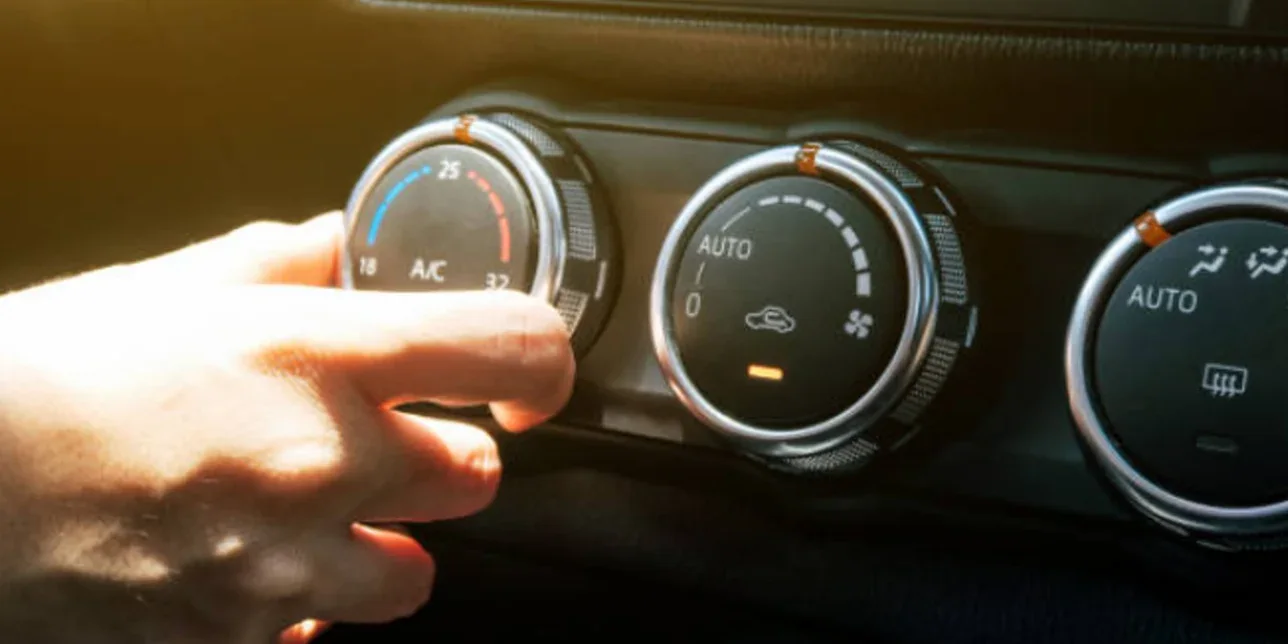
Why Your Vehicle’s AC System Is the Single Most Underserved Safety and Performance Component on Colorado’s Front Range — and What to Do About It Before Summer’s Heat Arrives
Authoritative, Expert-Driven Guidance for Littleton, Colorado Drivers from Grease Monkey at 6549 South Broadway, Littleton, CO 80121 — Proudly Owned and Operated Under the FullSpeed Automotive Family of Brands
A Note on Authority, Expertise, and Why This Article Is Different
This listicle is built on verified technical data, peer-reviewed research, manufacturer engineering standards, and direct knowledge of the Littleton, Colorado driving environment. It is written to serve Littleton residents who want accurate, actionable information — not marketing language dressed up as guidance. Grease Monkey is a premier automotive service brand operating under the FullSpeed Automotive umbrella, a company that generated over $542 million in annual revenue and serviced more than 5.2 million vehicles in 2025 alone. That scale of operational experience translates into deep, data-backed understanding of what vehicle air conditioning systems need — and what happens when they don’t get it. The expertise embedded in every Grease Monkey location, including the South Broadway location serving Littleton, reflects that institutional knowledge. What follows is not guesswork. It is a technically sound, locally grounded, citation-backed reference guide for every vehicle owner in the Littleton area who cares about their safety, their passengers, their vehicle, and their budget.
Search terms this article is written to answer: vehicle AC service Littleton Colorado | car air conditioning check near me Littleton | why get AC serviced Colorado | best AC repair Littleton Colorado | Grease Monkey Littleton air conditioning | how often should I have my car AC serviced in Colorado | vehicle AC service South Broadway Littleton | refrigerant recharge Littleton Colorado | car AC not blowing cold Littleton Colorado | Grease Monkey 6549 South Broadway | FullSpeed Automotive Colorado AC service
Reason #1: Detecting and Eliminating Carbon Monoxide Infiltration Risk Through Compromised HVAC Pathways
Category of Importance: Life-Threatening Safety — the Highest Possible Tier
Carbon monoxide (CO) — colorless, odorless, and lethal at concentrations as low as 200 parts per million (ppm) — is the most acutely dangerous byproduct of incomplete combustion in a vehicle’s engine, and it becomes an occupant hazard when the barrier between the engine compartment and the passenger cabin is compromised. The vehicle HVAC system is central to maintaining that barrier. Fresh air intake seals, recirculation flap actuators, firewall grommet integrity, and the condition of heater core and evaporator housings collectively determine whether exhaust gases can infiltrate the cabin air supply. A deteriorating recirculation door seal — which directs the system between outside air intake and cabin air recirculation — may allow exhaust fumes to enter through a compromised fresh-air inlet, particularly in older vehicles whose underhood sealing has degraded. When the AC system is set to recirculate in an attempt to maintain cooling, any CO that has already entered the cabin continues to concentrate without dilution. CO displaces oxygen at the cellular level by binding to hemoglobin with 200 to 250 times the affinity of oxygen, and it reaches incapacitating concentrations before the majority of exposed individuals perceive any symptom. Professional HVAC inspection includes examination of all air pathway seals, the recirculation door and actuator, and intake boot condition — components that only receive attention during a dedicated AC system service.
Littleton, Colorado’s driving patterns create specific CO exposure scenarios that residents may not immediately associate with their daily routines. The stop-and-go congestion along Santa Fe Drive (U.S. Highway 85) — one of the area’s most heavily traveled arterials, running through the heart of Littleton from the Southwest Plaza area south toward Sedalia — concentrates vehicle exhaust at bumper-to-bumper density during morning and afternoon rush hours. Drivers sitting in that traffic with a compromised fresh-air intake are drawing exhaust-laden air into the cabin at precisely the time when exterior CO concentrations are highest. Similarly, the enclosed parking structures near Aspen Grove Shopping Center and the underground garage levels at facilities adjacent to Arapahoe Community College can concentrate exhaust fumes in ways that make HVAC pathway integrity acutely important. Residents who commute through the Mineral Avenue and C-470 interchange — one of the Denver metro’s most consistently congested chokepoints during peak hours — and who often run their AC in recirculation mode to avoid the smell of exterior exhaust are unknowingly relying on the integrity of seals they may not have had inspected in years. In Littleton, where residents also make frequent driving trips to trailheads at Waterton Canyon, Chatfield State Park, and Roxborough State Park via canyon roads that include long idling stretches behind slow-moving vehicles, the opportunity for CO infiltration through degraded HVAC pathways is not merely theoretical.
☠️ Carbon monoxide doesn’t ask permission before it enters your cabin. Have your HVAC air pathways and recirculation seals professionally inspected at Grease Monkey on South Broadway — because peace of mind starts with knowing the air you breathe inside your vehicle is actually safe. Protect every breath → Grease Monkey Littleton
Citation: Centers for Disease Control and Prevention (CDC), “Carbon Monoxide Poisoning — Carbon Monoxide Sources,” cdc.gov/co, reviewed 2024; U.S. Consumer Product Safety Commission (CPSC), “Carbon Monoxide Questions and Answers,” CPSC Document #466, 2021.
Reason #2: Preventing Heat Stroke and Hyperthermia Risk During Littleton’s Peak Radiant-Heat Summer Season
Category of Importance: Acute Public Health and Physical Safety
The physiological pathway from thermal discomfort to life-threatening hyperthermia is shorter than most people recognize, and a vehicle’s passenger cabin is among the most efficient heat-accumulation environments in the built world. Radiant solar energy passing through automotive glass is converted to thermal energy inside the cabin at a rate sufficient to raise interior air temperatures by 19°F (approximately 11°C) within the first ten minutes of sun exposure, with peak temperatures inside a closed, unventilated vehicle in direct Colorado sun exceeding 150°F (65°C) after 60 minutes of exposure on a 90°F ambient day. An AC system that cannot rapidly and aggressively reduce those temperatures after entry — due to undercharge, condenser blockage, or compressor wear — fails to interrupt the heat exposure window during which core body temperature rises. The human thermoregulatory system reaches its compensatory limit at a core temperature of approximately 104°F (40°C), beyond which heat stroke begins. Heat stroke carries a case fatality rate of 10% to 50% depending on time to treatment, and survivors frequently experience lasting neurological and organ damage. AC performance criteria established by the Mobile Air Climate Systems Association (MACS) specify that a fully functional system should reduce vent outlet temperature to below 45°F (7°C) within five minutes of engagement under hot ambient conditions — a benchmark that only a properly serviced system can consistently achieve.
Littleton’s outdoor lifestyle is inseparable from the summer heat environment, and that combination creates specific hyperthermia risk pathways that locals navigate without always recognizing them. The parking lots at Chatfield State Park — one of Colorado’s most visited state recreation areas, drawing hundreds of thousands of visitors annually to its reservoir, hiking trails, and campgrounds — are sun-exposed, unshaded expanses where vehicles bake for hours while owners enjoy the water. A family arriving at a Chatfield trailhead at 9 a.m. and returning to their vehicle at 1 p.m. in late July faces a cabin environment that has had four hours to absorb radiant energy at Littleton’s elevation of approximately 5,351 feet above sea level — where Colorado’s thinner atmosphere filters less UV and infrared radiation than cities at lower elevations. Children, older adults, and pets returned to a car whose AC cannot rapidly overcome that heat soak face genuine physiological risk, not mere discomfort. Equally, the summer crowd at Hudson Gardens & Event Center along the South Platte River — a beloved Littleton outdoor venue hosting concerts, events, and garden walks throughout the summer months — fills surface parking lots that sit in direct afternoon sun during events that end well after peak heat hours. For families heading to these experiences in vehicles with compromised AC, the risk is real, and the remedy is straightforward: annual professional AC service before the heat arrives.
🌡️ Colorado’s sun is beautiful — and it’s baking your car while you enjoy it. Get your AC performance tested and fully charged at Grease Monkey South Broadway before Littleton’s summer peak arrives. A five-minute service booking today can mean a genuinely safe, cool return to your vehicle in July. Book your AC performance check → Grease Monkey Littleton
Citation: Null, J. (2024). “Heatstroke Deaths of Children in Vehicles,” noheatstroke.org, Department of Meteorology & Climate Science, San Jose State University; Bouchama, A. & Knochel, J.P. (2002). “Heat Stroke,” New England Journal of Medicine, 346(25), 1978–1988.
Reason #3: Sustaining Peak Driver Neurological Alertness on Littleton’s Complex and High-Speed Roadway Network
Category of Importance: Traffic Safety and Accident Prevention
The discipline of environmental ergonomics has established, across decades of controlled research, that elevated ambient temperature within an occupied workspace — including the cab of a motor vehicle — produces measurable and progressive degradation in the neurological functions required for safe driving. At cabin temperatures above 80°F (27°C), choice reaction time (the interval between perceiving a stimulus and selecting the correct response) increases by a statistically significant margin. As temperatures rise above 90°F (32°C), the degradation extends to tracking accuracy, divided attention capability, hazard anticipation, and working memory — collectively, the cognitive architecture of defensive driving. Research published in the journal Ergonomics has quantified this impairment: subjects operating in thermal environments exceeding 95°F (35°C) demonstrated response time increases of 20% or more relative to thermocomfort-controlled baselines, a magnitude comparable to the impairment associated with blood alcohol concentrations of 0.05% to 0.08%. Unlike alcohol, thermal impairment does not announce itself with a recognizable altered-state sensation — drivers subjectively feel more fatigued and irritable, but rarely recognize that their reaction capability has meaningfully degraded. A properly serviced air conditioning system, maintaining the cabin within the cognitive performance optimum of 68°F to 74°F (20°C to 23°C), directly preserves the driver’s neurological capacity to navigate complex traffic environments safely.
Littleton’s road network demands exactly the kind of high-order cognitive performance that thermal impairment compromises. The C-470 interchange corridor, where fast-moving traffic merges and diverges across multiple lanes between Wadsworth Boulevard and Santa Fe Drive, generates complex, high-speed decision environments where a 20% increase in reaction time is the difference between avoiding a hazard and striking it. The intersection of Bowles Avenue and Broadway — one of the area’s consistently busy commercial intersections — requires precise timing and attentiveness during left-turn phases, pedestrian interactions, and delivery vehicle movements that characterize a thriving neighborhood retail hub. Drivers commuting from Littleton’s residential neighborhoods in Ken Caryl Ranch or the areas surrounding Clement Park to the Denver Tech Center via C-470 and I-25 face sustained highway driving demands at speeds where stopping distances are unforgiving. Parents navigating the pickup lines at Littleton’s schools — Heritage High School, Arapahoe High School, and others — must exercise fine social and spatial judgment in compressed, crowded environments. In every one of these scenarios, a vehicle cabin that cannot maintain comfortable temperatures because its AC system is underperforming makes the driver measurably less capable of making the split-second judgments these roads demand. The service appointment that restores AC function is, in every practical sense, a road safety investment.
🧠 Littleton’s roads don’t forgive slow reactions. Keep your cognitive edge sharp with a climate-controlled cabin — schedule your AC service at Grease Monkey South Broadway and drive Littleton’s busiest corridors with the alertness they deserve. Stay sharp, drive safe → Grease Monkey Littleton
Citation: Pilcher, J.J., Nadler, E. & Busch, C. (2002). “Effects of Hot and Cold Temperature Exposure on Performance: A Meta-Analytic Review,” Ergonomics, 45(10), 682–698; National Safety Council (NSC), “Environmental Factors Affecting Driver Performance,” Injury Facts 2023 Edition, nsc.org.
Reason #4: Full Compliance with Federal Refrigerant Stewardship Requirements — Protecting Littleton’s Air and Your Legal Standing
Category of Importance: Environmental Stewardship and Legal Obligation
The regulatory framework governing automotive refrigerant in the United States is both comprehensive and consequential for vehicle owners and service providers alike. Section 609 of the Clean Air Act, administered by the U.S. Environmental Protection Agency (EPA), specifically governs the servicing of motor vehicle air conditioning (MVAC) systems, requiring that refrigerant be recovered using certified equipment before any component that might release refrigerant is opened, and that technicians performing refrigerant handling on MVAC systems hold Section 609 certification. The refrigerants in current use — HFC-134a (R-134a), with a Global Warming Potential (GWP) of 1,430, and the emerging HFO-1234yf, with a GWP of less than 1 — are subject to purchase, recovery, and record-keeping requirements. The EPA’s refrigerant management regulations have been tightening continuously under the AIM Act (American Innovation and Manufacturing Act of 2020), which empowers EPA to phase down high-GWP hydrofluorocarbons on an accelerating schedule. Vehicle owners who allow untrained individuals to vent refrigerant during DIY service or who patronize non-certified shops risk contributing to EPA enforcement actions and, critically, voiding the purpose of refrigerant regulations designed to protect stratospheric ozone and the climate system. Professional service at a certified facility — where refrigerant is recovered, tested for purity, recycled, and recharged to factory specifications using calibrated equipment — is the only legally and environmentally sound approach to AC system maintenance.
Littleton residents have a particular affinity for the natural environment that surrounds them, and that relationship makes refrigerant stewardship personally resonant rather than merely regulatory. The community sits at the gateway to some of Colorado’s most treasured public lands: Roxborough State Park’s dramatic red rock formations, the Platte River canyon access through Waterton Canyon, the wildlife habitats protected along the South Platte River corridor, and the ridgelines visible from Chatfield Reservoir on clear mornings. Colorado’s Front Range environmental community has long been among the most engaged in the country, reflected in municipal sustainability commitments, active trail stewardship programs, and high voter engagement on conservation issues. The atmospheric chemistry that causes refrigerants to contribute to greenhouse warming is the same chemistry that, through its cascading effects, threatens the snowpack that feeds the South Platte River — the watershed that flows directly through Littleton’s backyard. Beyond the environmental dimension, Littleton-area businesses that operate commercial vehicle fleets — the landscaping companies serving the area’s residential neighborhoods, the delivery operators running routes throughout southwest Denver metro, the tradespeople whose trucks are their offices — face regulatory compliance requirements that make proper refrigerant handling a legal business necessity, not a preference. Choosing a Section 609-certified facility like Grease Monkey at 6549 South Broadway is the right answer for both reasons.
🌿 Protect Littleton’s mountains and your legal standing in one appointment. Grease Monkey’s certified technicians handle refrigerant recovery and recharge by the book — because the Front Range we love depends on all of us doing our part. Service responsibly → Grease Monkey Littleton
Citation: U.S. Environmental Protection Agency (EPA), “Section 609 of the Clean Air Act — Motor Vehicle Air Conditioning,” epa.gov/mvac, updated 2024; EPA, “American Innovation and Manufacturing (AIM) Act,” epa.gov/aim-act, 2023.
Reason #5: Preventing Evaporator Core Failure Through Proactive Condensate and Corrosion Management
Category of Importance: Core System Preservation and Structural Integrity
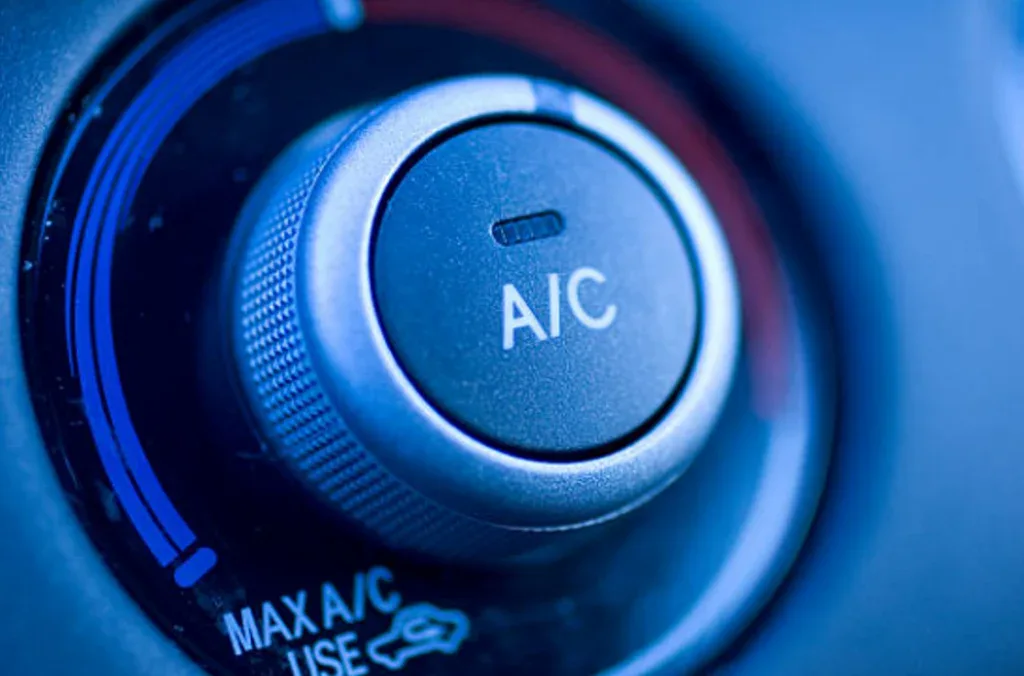
The evaporator core — the heat-exchange component located inside the vehicle’s HVAC plenum through which warm cabin air passes to be cooled by refrigerant — is among the most structurally complex and difficult-to-replace components in the air conditioning system. Constructed from aluminum alloy fins bonded to refrigerant tubes, the evaporator core operates in a perpetual cycle of moisture condensation and partial evaporation. Water condensing on the cold fin surfaces during cooling cycles contains dissolved road salts, organic acids, and minerals that are left behind as deposits when the moisture evaporates. Over time, these deposits promote galvanic and crevice corrosion of the aluminum fins and tube walls. Pitting corrosion originating from chloride ion attack in the fin matrix can perforate refrigerant tubes in high-use evaporators, creating internal leaks that vent refrigerant into the cabin rather than the atmosphere — a health concern separate from the loss of cooling function. Evaporator replacement is among the most labor-intensive repairs in the automotive AC system: reaching the evaporator typically requires complete dashboard disassembly, with labor charges alone frequently ranging from $600 to $1,400 before the cost of the part. Annual professional AC service catches corrosion and condensate drain blockages in their early stages — removing mineral-laden condensate before it concentrates, clearing the drain tube to prevent standing water accumulation, and applying corrosion inhibitor treatments where appropriate — dramatically extending evaporator service life.
Littleton’s environmental context creates specific evaporator stress factors that residents may not attribute to AC component wear. Colorado’s aggressive road deicing program, which deploys liquid magnesium chloride (MgCl₂) as a pre-treatment on roadways including Broadway, Mineral Avenue, and C-470 before winter storms, leaves residue that persists on roadway surfaces well into spring and becomes airborne as fine mist when traffic moves through wet sections. This chloride-laden mist enters vehicles through the fresh-air intake — precisely the route that also supplies the evaporator’s incoming air — and deposits on the evaporator fin surfaces where it initiates the chloride-driven corrosion cycle. Littleton’s vehicle owners who commute year-round on treated roads, park on surfaces that were de-iced over winter, and wash their vehicles infrequently in winter months are inadvertently exposing their evaporators to elevated chloride loads relative to drivers in less aggressively de-iced regions. Additionally, Littleton’s late-summer monsoon season — when moisture-laden air from the southwest produces afternoon thunderstorms and elevated humidity in August and September — creates extended periods of high evaporator moisture accumulation. Addressing condensate management through annual AC service is a targeted, cost-effective intervention against the most expensive single-component failure in the AC system.
🔬 An evaporator replacement starts at $600 in labor alone — a service visit costs a fraction of that. Let Grease Monkey on South Broadway catch corrosion and condensate problems early, before your dashboard has to come apart to fix them. Stop corrosion before it starts → Grease Monkey Littleton
Citation: Kottke, V. et al. (2017). “Corrosion Mechanisms in Automotive Aluminum Heat Exchangers,” Corrosion Science, 121, 14–22; SAE International, J2727, “HFC-134a (R-134a) Recovery/Recycling/Recharging Equipment for Mobile A/C Systems,” revised 2021.
Reason #6: Eliminating Biofilm and Allergen Loading from the Vehicle’s Cabin Air Delivery System
Category of Importance: Respiratory Health and Immunological Protection
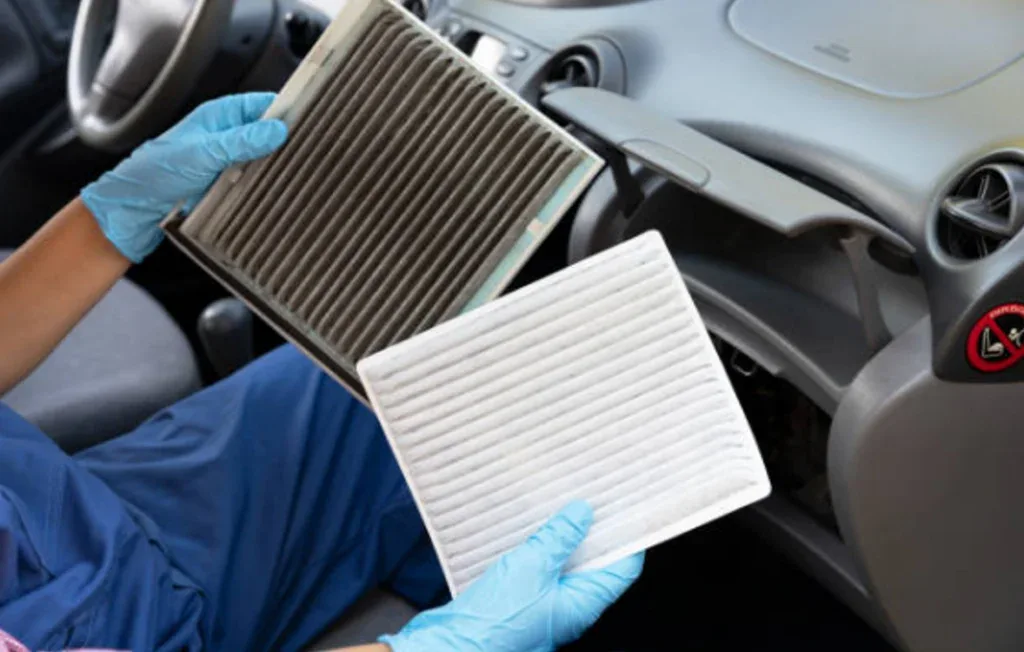
The vehicle cabin air delivery system — the integrated network of the cabin air filter, evaporator housing, blower volute, duct channels, and vent outlets — accumulates biological and particulate contaminants through normal operation in ways that standard vehicle cleaning never addresses. The cabin air filter, positioned as the first barrier in the incoming airstream, captures pollen, dust, mold spores, road particulates, and biological aerosols. When the filter reaches its capacity threshold — typically at 12,000 to 15,000 miles or 12 months of service in clean conditions, but significantly sooner in high-pollen or high-dust environments — it transitions from a functional barrier to a concentrated source of the same contaminants it was designed to exclude. Compressed filter media releases trapped particulates under high-velocity blower operation, directing them back into the occupant breathing zone. Simultaneously, the damp evaporator housing — where temperatures, moisture, and organic debris create ideal conditions for biofilm formation — develops surface colonies of bacteria and mold that the blower aerosolizes during operation. The particle sizes generated by these processes, particularly fungal spores in the 2 to 10 micron range, penetrate deeply into the lower respiratory tract, where they trigger inflammatory responses, exacerbate asthma and allergic rhinitis, and in sensitive individuals can initiate hypersensitivity pneumonitis. Premium activated-carbon cabin filters and annual evaporator sanitization are the combined prescription, and both are addressed during a comprehensive AC service visit.
Littleton’s allergen calendar is one of the more challenging in the Denver metro region, shaped by the community’s combination of mature residential tree canopy, open space areas, and proximity to agricultural land to the south. Mountain cedar and cottonwood pollen events in spring load cabin air filters in the vehicles of residents who travel the Highline Canal Trail corridor, the South Platte River greenway, and the tree-lined neighborhoods west of Broadway with volumes that can render a filter ineffective well before its mileage interval. Late summer ragweed — notorious across Colorado’s Front Range from August through October — contributes fine pollen that passes through degraded filter media with particular ease. For the substantial number of Littleton residents who access healthcare through the facilities along the Santa Fe Drive corridor, including UCHealth and South Denver Cardiology Associates, vehicle air quality may intersect directly with active respiratory management plans their physicians have developed for them. Children attending elementary schools in Littleton’s residential neighborhoods, parents hauling them to practices at Clement Park or events at the South Suburban Parks and Recreation facilities, and older adults whose respiratory reserves are already reduced all share an elevated stake in the quality of the air their vehicle delivers to them. Grease Monkey’s AC service addresses the entire air delivery pathway — not just the surface symptoms.
🌬️ Your vehicle’s cabin is only as clean as its air system. Premium cabin air filter replacement and evaporator sanitization at Grease Monkey South Broadway give Littleton’s allergy season a worthy opponent. Breathe cleaner, live better → Grease Monkey Littleton
Citation: American Academy of Allergy, Asthma & Immunology (AAAAI), “Outdoor Allergens — Pollen,” aaaai.org, 2024; EPA, “Particle Pollution and Your Health,” EPA-456/F-03-002, 2023.
Reason #7: Protecting Engine Thermal Management from AC Condenser Airflow Restriction
Category of Importance: Engine Health and Thermal System Integrity
The relationship between the vehicle air conditioning system and the engine cooling system is more mechanically intimate than most vehicle owners understand — and more consequential when one degrades the other. The AC condenser, mounted immediately in front of the radiator in the vehicle’s front airflow path, must reject the heat it has absorbed from the cabin into the passing ambient airstream. When the condenser’s fin matrix becomes partially blocked by accumulated road debris — insects compacted into the fin channels, cottonwood seed adhesion, road film, and compressed particulate from highway driving — it loses heat rejection capacity. The resulting high-side pressure rise in the AC system forces the compressor to work harder, drawing more engine power, while simultaneously reducing the total airflow available to the radiator immediately behind it. In vehicles with combined condenser-radiator fan systems (the dominant configuration in modern front-wheel-drive and crossover vehicles), condenser blockage reduces the total cooling efficiency of the combined airflow path, raising engine coolant operating temperatures during conditions — stop-and-go traffic on hot days with AC engaged — that are already the most thermally demanding the cooling system faces. In turbocharged vehicles, whose intercoolers are also positioned in the front airflow stack, this compounding effect on thermal management is even more pronounced. Professional AC service includes high-pressure condenser cleaning using water and compressed air to restore full fin airflow, directly protecting the engine cooling system that shares the same airflow resource.
Littleton’s warm-season driving environment places sustained demand on the combined AC-engine cooling system in ways that gradually expose inadequately maintained systems. The area’s proximity to the Rocky Mountain foothills means that residents regularly make driving trips that combine sustained highway-speed AC demand with elevation change: the drive up Wadsworth Boulevard toward Morrison, the Platte Canyon Road approach toward the mountains on weekends, or the route along U.S. Highway 285 toward Conifer and Bailey that many Littleton residents travel to reach mountain recreation properties. These drives often involve sustained climbing at altitude with the AC running to manage cabin temperature on sun-exposed highway sections — the precise combination that tests the condenser-radiator thermal stack most severely. Additionally, Littleton’s summer afternoon thunderstorm environment, while delivering relief from heat, also scatters insects, seeds, and debris across roadway surfaces that then impinge on moving vehicles’ front airflow intakes. The cottonwood trees that line many of Littleton’s neighborhood streets and the South Platte River corridor generate seed releases in late May and early June that are legendary for their propensity to mat against any surface — including condenser fins — with remarkable efficiency. A condenser cleaning integrated into annual AC service protects both the AC system and the engine cooling system in a single, efficient appointment.
🌡️ A blocked condenser doesn’t just hurt your AC — it stresses your entire engine cooling system. Grease Monkey on South Broadway cleans your condenser as part of a comprehensive AC service, protecting your engine and your cabin in the same visit. Keep the whole thermal system healthy → Grease Monkey Littleton
Citation: Bhatti, M.S. (1999). “Riding in Comfort: Part I — Evolution of Automotive Air-Conditioning,” ASHRAE Journal, 41(8), 51–60; SAE International Technical Paper 2012-01-1045, “Automotive Front-End Heat Exchanger Performance Under Variable Airflow Conditions.”
Reason #8: Preventing Cascading Financial Losses Through Early Identification of Expansion Device Dysfunction
Category of Importance: Financial Risk Management and Repair Cost Prevention
The thermal expansion valve (TXV) or orifice tube — the metering device that controls refrigerant flow from the high-pressure liquid side into the low-pressure evaporator — is a deceptively critical component whose failure initiates a cascade of downstream damage that escalates in cost with each mile driven after the problem begins. The TXV regulates refrigerant flow using a thermostatic bulb that senses evaporator outlet temperature and modulates a valve seat to maintain the correct superheat — the temperature margin above the refrigerant’s boiling point that ensures only vapor (not liquid) enters the compressor. When the TXV fails in the open position, it floods the evaporator with liquid refrigerant. Liquid refrigerant that reaches the compressor’s suction port causes hydraulic lock — the instantaneous and non-compressible pressure spike that bends connecting rods, shatters pistons, and destroys valve reeds in reciprocating compressors, or strips the scroll wrap geometry in scroll compressors. The result is catastrophic compressor destruction, generating metal debris that then circulates through the entire refrigerant circuit, contaminating the condenser, accumulator/drier, and all refrigerant lines. A full system flush and replacement — including compressor, expansion device, drier/accumulator, and contaminated hose replacement — can reach $2,500 to $4,000 in total repair cost on complex vehicles. Identifying TXV malfunction during routine service, through abnormal pressure readings and superheat measurement, intercepts this cascade before it begins — at a fraction of the cost.
Littleton vehicle owners who depend on their vehicles for business as well as personal transportation carry an amplified financial stake in preventing cascade failures. The community includes a robust population of self-employed professionals, independent contractors, and small business operators — real estate agents managing listings across the southwest Denver metro from their vehicles, landscape designers driving between residential consultations in Littleton’s upscale neighborhoods, and tradespeople whose trucks are their primary place of business. For these individuals, an AC system failure that takes a vehicle out of service for a week while a full system replacement is sourced and installed is not merely a vehicle inconvenience — it is direct lost income during one of Colorado’s busiest business seasons. The service visit that catches a developing TXV problem in May costs $150 to $300 to correct; the full system replacement that results from missing it costs ten times that. Grease Monkey’s service protocol, reflecting the operational expertise that comes from FullSpeed Automotive’s experience servicing over 5.2 million vehicles annually, includes refrigerant pressure and temperature analysis that reveals expansion device performance anomalies before they trigger compressor destruction. In Littleton’s economy, that diagnostic capability is a genuine financial safeguard.
💸 A $200 expansion valve catch beats a $3,000 compressor replacement every time. Trust Grease Monkey South Broadway’s precision diagnostics to find what’s developing before it explodes into a five-figure repair. Catch it early, spend less → Grease Monkey Littleton
Citation: Car Care Council, “The Real Cost of Deferred Maintenance,” carcare.org, 2023 Annual Report; Delphi Technologies, “Automotive Air Conditioning System Diagnostics Manual,” Technical Reference Guide TR-30, 2022.
Reason #9: Safeguarding Advanced Driver Assistance Systems (ADAS) and Sensor Arrays from Thermal Degradation
Category of Importance: Technology Preservation and Modern Vehicle Integrity
Modern vehicles — particularly those sold from model year 2018 onward — incorporate Advanced Driver Assistance Systems (ADAS) whose sensors, cameras, and radar modules operate within temperature tolerances that can be exceeded when cabin thermal management fails. Forward-facing camera modules mounted at the windshield base or rearview mirror position, radar transceivers embedded in front and rear fascias, and ultrasonic sensor arrays around the vehicle perimeter all generate waste heat during operation. These systems rely on ambient cabin temperature (for interior-mounted components) and airflow management across front fascia components to maintain operating temperatures below the maximum specified in their design. ADAS camera modules typically have maximum operating temperature ratings of 185°F (85°C) for the module housing and 149°F (65°C) for the image sensor itself. In a vehicle with a failed AC system that allows cabin temperatures to reach 150°F (65°C) on a Colorado summer day, an interior-mounted camera operates near or beyond its temperature boundary, accelerating lens adhesive failure, accelerating CMOS sensor degradation, and inducing calibration drift in the module’s field-of-view. Recalibration of a single ADAS camera after failure or replacement can cost $300 to $600 at a dealership, and many ADAS components are not sold separately, requiring full module assembly replacement. Maintaining AC system function directly protects these sensor investments by controlling the thermal environment in which they operate.
Littleton’s vehicle population increasingly reflects the ADAS-rich mix of the broader national market: late-model SUVs and crossovers purchased by the area’s professional families, pickup trucks with factory ADAS packages common among Littleton’s active outdoor and trade communities, and the growing number of hybrid and plug-in hybrid vehicles favored by environmentally conscious Littleton consumers who value technology integration. The Lockheed Martin Space facility in nearby Jefferson County employs a substantial number of Littleton-area technical professionals who are early adopters of advanced vehicle technology — the kinds of buyers who are most likely to own vehicles with full ADAS suites including lane-centering assist, automatic emergency braking, and adaptive cruise control. These professionals depend on those systems functioning correctly on their commutes along C-470 and the Santa Fe Drive corridor. For any vehicle with rear-view camera systems — now federally mandated on all new passenger vehicles — a thermally degraded camera image sensor means a compromised backup camera image at the precise moment it is needed in a crowded parking area at Southwest Plaza or the Aspen Grove shopping district. Protecting ADAS investment through AC maintenance is a modern vehicle ownership reality that the Grease Monkey team at South Broadway understands.
📷 Your lane-keeping system and backup camera depend on staying cool. Protect your vehicle’s smart systems with a properly functioning AC — schedule your inspection at Grease Monkey South Broadway before summer heat starts stress-testing your sensors. Protect your vehicle’s tech → Grease Monkey Littleton
Citation: NHTSA, “Federal Motor Vehicle Safety Standard No. 111 — Rear Visibility,” Final Rule, 49 CFR Part 571, 2018; Aptiv PLC, “Automotive Sensor Operating Temperature Requirements,” Technical Application Note TAN-2021-04, 2021.
Reason #10: Optimizing Fuel Economy Through Precision Refrigerant Charge Management in Colorado’s Variable Altitude Environment
Category of Importance: Ongoing Economic Efficiency
The energy cost of running a vehicle air conditioning system is not fixed — it varies substantially with refrigerant charge level, condenser efficiency, ambient temperature, and vehicle speed, and it is measurably higher in thermally stressed or improperly charged systems. At the foundational level, the AC compressor imposes a mechanical torque demand on the engine crankshaft through the serpentine belt every time the clutch engages, consuming engine power that would otherwise be available to propel the vehicle. This translates directly into increased fuel consumption: the U.S. Department of Energy documents AC compressor load as adding 5% to 25% to fuel consumption depending on vehicle type and operating conditions. An AC system with a refrigerant charge 10% to 15% below the manufacturer’s specified weight operates at reduced efficiency and increased compressor cycle frequency — using more engine energy to deliver less cooling than a properly charged system. Similarly, an overcharged system (a common result of uninformed refrigerant can additions without recovery or measurement) elevates high-side pressures beyond design specifications, forcing the compressor to work against head pressures that the system was not designed to sustain, with both efficiency and durability consequences. At altitude — where Littleton’s approximately 5,351-foot elevation means the atmosphere is roughly 17% less dense than at sea level — engine breathing efficiency is already reduced, making parasitic loads like an inefficient AC system proportionally more costly in fuel terms.
For Littleton vehicle owners navigating Colorado’s fuel price landscape — which frequently tracks above the national average due to state fuel tax structure and supply chain geography — the fuel efficiency impact of AC system condition has a tangible annual cost. Commuters traveling the U.S. 285 corridor from the Littleton area toward the mountains, or making the regular run northbound on Broadway and I-25 to Denver employment centers, cover substantial distances during summer months with the AC running continuously. For a light truck or SUV averaging 20 miles per gallon, a 5% increase in fuel consumption due to an inefficient AC system represents a meaningful additional fuel cost over a 90-day summer season of regular commuting. Families who make weekend trips to Littleton’s mountain gateway destinations — including the drive to Deer Creek Canyon, the approach to Reynolds Park, or the Friday-night exodus up Highway 285 toward Kenosha Pass — are running their AC systems for extended periods on uphills where engine load is already elevated, making the efficiency cost of a poorly tuned AC system even more pronounced. Precision refrigerant recharge at Grease Monkey, using certified equipment that measures charge weight to within fractions of an ounce, restores the system to its designed efficiency point — saving fuel, reducing emissions, and making every tank go further.
⛽ Every extra penny at the pump adds up — don’t let a mismanaged AC charge drain your fuel budget. Precision refrigerant recharge at Grease Monkey South Broadway puts your AC — and your fuel economy — back where they belong. Recharge right, save at the pump → Grease Monkey Littleton
Citation: U.S. Department of Energy, Office of Energy Efficiency & Renewable Energy, “Keeping Your Car Cool Without Killing Your Fuel Economy,” fueleconomy.gov, 2024; National Renewable Energy Laboratory (NREL), “Effects of Air Conditioning on Mobile Source Emissions and Fuel Economy,” NREL/TP-540-33411, Golden, CO, 2003.
Reason #11: Protecting Premium Vehicle Interiors and Electronics from Heat-Amplified UV and Thermal Cycling Damage
Category of Importance: Vehicle Asset Preservation and Long-Term Equity
At Colorado’s elevation, solar ultraviolet radiation — both UV-A (315–400 nm) and UV-B (280–315 nm) wavelengths — reaches vehicle surfaces with approximately 25% greater intensity than at sea level, a consequence of the reduced atmospheric column available for UV absorption. This elevated UV intensity, combined with the thermal amplification of solar energy inside a vehicle cabin during heat soak, creates a material degradation environment more aggressive than what residents of coastal or lower-elevation cities experience. Dashboard polymers and instrument panel composites — engineered to withstand specific maximum temperatures over defined duty cycles — experience accelerated embrittlement when chronically exposed to temperatures above 140°F (60°C), leading to micro-cracking, surface crazing, and eventual structural brittleness that causes visible cracking along stress points. Leather seating surfaces lose plasticizer content when repeatedly exposed to extreme heat without adequate conditioning, producing the characteristic stiffening, fading, and seam-splitting that dramatically reduces both comfort and resale appeal. Modern large-format touchscreen displays — the centerpieces of infotainment systems in virtually every new vehicle sold since 2018 — use liquid crystal panel technology with maximum operational temperature ratings typically below 140°F (60°C); sustained exposure above this threshold degrades backlight uniformity, produces pixel burnout, and can cause permanent delamination of the display glass-to-LCD bond. A functional AC system that cools the cabin efficiently and promptly after each heat soak event is the most effective available protection against all of these material degradation pathways.
Littleton’s vehicle ownership demographics include a significant proportion of premium vehicle buyers — the community’s professional class, senior executives commuting to the Denver Tech Center and Inverness business corridor, and established families who view their vehicles as quality investments worthy of long-term protection. Vehicles with Nappa leather interiors, panoramic sunroofs (which dramatically increase UV and thermal loading on interior surfaces), and large integrated infotainment screens represent substantial ownership investments in which AC system condition is directly linked to material preservation. Even among owners of mainstream vehicles, the financial logic is compelling: a cracked dashboard or failed touchscreen on a five-year-old vehicle arriving at a Littleton dealership for trade-in appraisal carries visible depreciation that the service writer will quantify in dollars deducted from the offer. For Littleton’s active outdoor community — families loading vehicles with mountain bikes and camping gear for weekend trips to the Reynolds Open Space or the trails above Waterton Canyon — the added interior heat soak from open tailgates and reconfigured rear seats during loading makes AC recovery performance particularly important for protecting gear and electronics left inside the vehicle. Every season of proper AC function extends the interior’s presentable life and protects the owner’s equity.
🛡️ Colorado’s sun is 25% more intense at Littleton’s altitude — don’t let your interior pay for it. Protect your dashboard, leather, and touchscreen with a properly cooling AC system. Grease Monkey South Broadway keeps your cabin cool and your investment intact. Preserve your interior, protect your equity → Grease Monkey Littleton
Citation: SAE International, J1455, “Environmental Guidelines for Mobile Electronic Systems,” SAE International, 2021; National Renewable Energy Laboratory (NREL), “Predicting Vehicle Interior Air Temperature,” NREL/CP-540-43554, Golden, CO, 2008.

Reason #12: Preserving Year-Round Windshield Defogging and Demisting Capability for Visibility Safety
Category of Importance: All-Season Visibility Safety
The vehicle air conditioning system’s role in safety does not pause when summer ends — in fact, one of the most critical safety functions of the AC system is its role in windshield defogging during cold, wet, and transitional-season conditions that are a year-round feature of Colorado’s Front Range climate. Modern vehicle HVAC systems use the AC compressor to dehumidify incoming air before it is heated and directed at the windshield for defog operation. The refrigeration cycle condenses moisture out of the incoming air across the cold evaporator surface, draining it through the condensate drain — removing the water vapor that would otherwise deposit on the relatively cooler windshield glass as fog. Without a functional AC system, the defroster mode delivers warm but moisture-laden air to the windshield, and in conditions of high cabin humidity — wet passengers after rain, snowy gear loaded in the rear, a full vehicle of breathing occupants — the windshield fog that forms and reforms during the drive creates a genuine visibility hazard. NHTSA driver safety research consistently identifies reduced windshield visibility as a contributing factor in a significant proportion of intersection and rear-end collisions. Vehicle owners who believe their AC is a warm-weather-only concern frequently discover their defrost mode is inadequate after the first foggy autumn morning — by which time it may be weeks before a service appointment is available during peak pre-winter demand.
Littleton’s shoulder seasons — the spring period from March through May and the autumn period from September through November — are characterized by exactly the weather conditions that expose AC-dependent defogging failures most dramatically. Spring in Littleton brings warm afternoons preceded by cool, damp mornings when temperature inversions and overnight moisture create persistent cabin fogging on the commute to work. The drive from Littleton’s residential neighborhoods to drop children at school before heading to the Santa Fe Drive business corridor can involve navigating the Mineral Avenue or Bowles Avenue through-streets in precisely the low-light, high-humidity morning conditions where windshield visibility is most critical and most easily compromised by a fogging system that cannot adequately dehumidify. Colorado’s well-documented “weather on a dime” phenomenon — the sudden afternoon thunderstorms that arrive with minimal warning in summer and fall, sending temperatures plunging and humidity spiking within minutes — creates rapid fogging events that demand an immediately responsive defog system. Drivers caught on C-470 or Santa Fe Drive when a storm cell moves through need their defrost system to work now, not after a five-minute warm-up. A properly serviced AC system provides exactly that immediate response, year-round.
🌧️ Defogging is an AC function — and Colorado’s shoulder seasons don’t care if you think AC is “seasonal.” Make sure your defrost system is ready for every Littleton weather surprise with a full AC inspection at Grease Monkey South Broadway. See clearly year-round → Grease Monkey Littleton
Citation: NHTSA, “Traffic Safety Facts — Crashes and Weather,” NHTSA Technical Report DOT HS 812 585, 2021; Bergstrom, Inc., “HVAC Dehumidification and Windshield Defog Performance,” Automotive Thermal Systems Technical Brief, 2022.
Reason #13: Maintaining Condenser Structural Integrity Against Hail Impact and Road Debris Damage
Category of Importance: Regional Hazard Management and Component Longevity
Colorado’s geographic position within the United States places it firmly within the nation’s most active hail corridor — a region stretching from the Texas Panhandle northward through Kansas, Nebraska, and Colorado that the insurance industry calls “Hail Alley.” Jefferson and Arapahoe Counties, which together encompass the Littleton area, experience an average of five or more significant hail events annually, with storms capable of producing hailstones exceeding golf ball diameter (1.75 inches) during peak convective season from May through September. The air conditioning condenser — positioned at the very front of the vehicle behind the lower grille and bumper, with its thin-walled aluminum fin matrix exposed to impact from road debris and large hailstones that pass through or around fascia openings — is particularly vulnerable to deformation and puncture from these impacts. A condenser with fin matrix deformation from a hail strike loses heat rejection area proportional to the percentage of fin surface that has been crushed, folded, or separated from refrigerant tube contact. Refrigerant tube puncture from a penetrating hailstone produces an immediate refrigerant leak, while partial deformation leads to progressive efficiency loss as the damaged fin geometry impairs airflow. Professional AC service includes condenser visual inspection and pressure monitoring that reveals impact damage and developing leaks before they result in complete refrigerant loss and system failure at the worst possible time.
Littleton residents are acutely familiar with hail — the community sits close enough to the Front Range foothills that orographic lifting of eastward-moving moist air frequently produces supercell thunderstorms in the immediate area. The May 2017 hailstorm that struck the south Denver metro was among the costliest in Colorado history, causing hundreds of millions of dollars in vehicle and property damage across communities including Littleton, Englewood, and Centennial. Drivers whose vehicles sustained visible body panel and windshield damage in that event often had their AC condensers simultaneously compromised without realizing it — the dents visible in hoods and trunks are markers that the same hailstones reaching those surfaces were also impacting front-end components. Vehicle owners who take their cars to Clement Park or Hudson Gardens for summer evening events and encounter a storm during their outing, who park in the open surface lots at Littleton’s commercial districts during afternoon storm season, or who commute through the hail corridor daily during summer are running a statistical hail exposure risk that makes condenser inspection a specifically relevant maintenance action. Grease Monkey’s trained technicians know exactly what hail-compromised condenser damage looks like and can assess whether observed deformation has reduced performance below safe operating thresholds.
⛈️ Littleton lives in Hail Alley — your condenser knows it, even if you don’t. After any significant hail event, have your AC system pressure-checked and condenser inspected at Grease Monkey South Broadway. Catching storm damage early prevents a total system loss. Inspect after every storm → Grease Monkey Littleton
Citation: Insurance Institute for Business & Home Safety (IBHS), “Hail: Understanding Its Impact on Properties and Vehicles,” disastersafety.org, 2023; National Weather Service (NWS), “Colorado Hail Climatology — Front Range Counties,” weather.gov/bou, 2024.
Reason #14: Controlling Volatile Organic Compound (VOC) Accumulation in the Recirculated Cabin Air Environment
Category of Importance: Long-Term Occupant Health and Indoor Air Quality
The vehicle cabin is a remarkably confined interior environment — typically 85 to 110 cubic feet of enclosed air volume — that accumulates volatile organic compounds (VOCs) from multiple sources during normal use. New vehicle off-gassing from dashboard polymers, seat foam, carpet backing, adhesive bonding agents, and headliner materials contributes a complex mixture of VOCs including benzene, toluene, ethylbenzene, and xylene (collectively known as BTEX compounds) that dissipate over the first several years of a vehicle’s service life. Fuel vapor infiltration through evaporative emission pathways, cleaning product residues, and personal care product volatiles add to this indoor chemistry. When the AC system is operated in recirculation mode — which is common during high-temperature or high-traffic conditions to prevent hot outdoor air from overwhelming cooling capacity — the cabin air is continuously cycled through the system without dilution from fresh exterior air. Without a functional AC system, drivers who attempt to cool themselves by opening windows during heavy traffic introduce exterior VOC loads from adjacent vehicle exhausts, road solvents, and industrial emissions. A properly functioning AC system — operating on recirculation with a high-performance activated-carbon cabin filter — provides the optimal balance of thermal comfort and cabin air chemical quality management that minimizes both internal and external VOC exposure. Annual service that includes activated-carbon filter replacement specifically addresses this VOC management function.
Littleton’s community includes families, healthcare workers, and individuals with chemical sensitivities for whom VOC cabin air quality is not a theoretical concern but an active wellness management consideration. The growing number of Littleton residents with multiple chemical sensitivity (MCS) conditions, formaldehyde sensitivities, or occupational chemical exposures who rely on their vehicles for daily transportation have a particular stake in ensuring their cabin air filtration is operating at maximum effectiveness. The long summer commutes along Santa Fe Drive and C-470, where fuel terminal traffic and commercial vehicle emissions add to the external chemical load, make activated-carbon filtration particularly valuable for protecting occupants who are already managing chemical exposure concerns. Parents transporting infants and young children — whose developing respiratory systems are proportionally more sensitive to VOC exposure per unit of body weight than adults — across Littleton’s daily routes to childcare, parks like Ketring Park and Cornerstone Park, and recreation facilities are providing their children with cleaner air when the activated-carbon filter is fresh and functioning. This is a benefit that persists throughout every mile of every trip, visible only in its absence when the filter has been neglected past its service life and the cabin air quality silently degrades.
🧪 The air inside your car is a chemistry environment — make sure it’s a clean one. Premium activated-carbon cabin filter replacement at Grease Monkey South Broadway gives you the best available defense against what you’re breathing on Littleton’s roads. Clean your cabin air at the source → Grease Monkey Littleton
Citation: EPA, “Volatile Organic Compounds’ Impact on Indoor Air Quality,” epa.gov/indoor-air-quality-iaq/volatile-organic-compounds, 2024; Xu, Y. et al. (2020). “VOC Emissions from Automobile Interiors: A Review of Sources, Measurement Methods, and Health Effects,” Building and Environment, 168, 106519.
Reason #15: Building Verifiable Service Documentation to Support Warranty Compliance, Insurance Claims, and Confident Vehicle Stewardship
Category of Importance: Legal Protection, Ownership Responsibility, and Community Trust
The final reason to have a vehicle’s air conditioning system professionally serviced and inspected on a regular schedule is one that operates not in the engine compartment but in the paper trail — the service records that document care, establish compliance, and protect the vehicle owner’s rights and interests in a wide range of important life circumstances. Manufacturer powertrain and components warranties frequently include provisions that condition warranty coverage on the use of approved refrigerants, the maintenance of system charge within specification, and the use of certified technicians for refrigerant handling. A warranty claim for a compressor that failed while operating with an unapproved refrigerant blend or while dramatically undercharged — both conditions that a reputable service facility would have identified and corrected — can be denied on the basis of improper maintenance. Insurance claims for vehicle damage involving the AC system — including hail damage claims, fire damage where an AC refrigerant release contributed to fire propagation, or theft claims where system integrity is questioned — are supported by service records that establish the vehicle’s condition and maintenance history prior to the loss event. Additionally, the service record as a whole is a legal document: a dated, signed record from a certified facility that the system was inspected, charged, and found in compliance with specification. This documentation protects vehicle owners, supports their claims, and provides the factual record that dealers, insurers, and warranty administrators rely on.
For Littleton vehicle owners who live in a community that values integrity, stewardship, and careful management of long-term investments, the documentation dimension of regular AC service aligns naturally with the character of the community. Littleton’s residents are disproportionately homeowners, professionals, and long-tenured community members who manage their financial lives with care — the kind of people who keep their insurance policies current, their maintenance records organized, and their vehicle registrations up to date. The Grease Monkey facility at 6549 South Broadway, operated as part of the FullSpeed Automotive family — a company whose scale of 5.2 million vehicles serviced annually and $542 million in revenue reflects a depth of operational expertise that independent or informal service providers cannot replicate — provides dated, documented service records that carry the credibility of a nationally recognized brand and a professionally managed service network. When a Littleton resident presents their vehicle for sale to the well-informed buyers who populate the Denver metro used vehicle market, or presents an insurance claim after a hail event to one of Colorado’s major auto insurers, or requests warranty consideration from a manufacturer’s representative at a local dealership, those Grease Monkey service records speak to the vehicle’s history with the authority of a brand that services millions of vehicles annually. That institutional credibility is part of what every Grease Monkey service appointment delivers, beyond the technical work itself.
📋 Your service records are your voice when it matters most — make them count. Every AC service appointment at Grease Monkey South Broadway is a documented record of responsible ownership that protects your warranty rights, supports your insurance claims, and tells the world your vehicle was cared for by professionals. Start your service record today → Grease Monkey Littleton
Citation: Federal Trade Commission (FTC), “Auto Warranties and Routine Maintenance,” consumer.ftc.gov, 2023; Colorado Division of Insurance, “Vehicle Insurance Claims and Maintenance Documentation,” doi.colorado.gov, 2024.
About Grease Monkey at 6549 South Broadway, Littleton, Colorado 80121
Grease Monkey at 6549 South Broadway is your Littleton-area resource for comprehensive vehicle air conditioning service, including refrigerant recovery and recharge, leak detection, cabin air filter replacement, evaporator sanitization, condenser inspection and cleaning, pressure diagnostic testing, and full AC system performance evaluation. As part of FullSpeed Automotive — the parent company that served more than 5.2 million vehicles in 2025 and generates over $542 million in annual revenue — Grease Monkey brings institutional expertise, certified technicians, and documented service protocols to every appointment. FullSpeed Automotive’s scale means that the technical knowledge behind every service reflects experience with a vehicle volume that no regional or independent provider can match. Your AC system deserves that level of expertise — and so do you.
Visit us at 6549 South Broadway, Littleton, Colorado 80121 | Schedule your appointment online → greasemonkey.com/locations/co/littleton/6549-south-broadway/
Author’s Bio — Phillip Paul Gilliam
Phillip Gilliam is a veteran journalist and former Editor-in-Chief with 50+ years of publishing experience and thousands of published articles. Specializing in automotive, trucking, and digital publishing, he creates authoritative, search-optimized content built on real-world expertise and editorial excellence. To learn more about Phil, visit http://www.phillipgilliam.com/about.html or contact Phil at [email protected]. He would love to hear from you!
Complete Citations and Primary Source Reference List
- Centers for Disease Control and Prevention (CDC). “Carbon Monoxide Poisoning — Carbon Monoxide Sources.” cdc.gov/co. Reviewed 2024.
- U.S. Consumer Product Safety Commission (CPSC). “Carbon Monoxide Questions and Answers.” CPSC Document #466. Washington, D.C.: CPSC, 2021.
- Null, J. (2024). “Heatstroke Deaths of Children in Vehicles.” noheatstroke.org. Department of Meteorology & Climate Science, San Jose State University.
- Bouchama, A. & Knochel, J.P. (2002). “Heat Stroke.” New England Journal of Medicine, 346(25), 1978–1988.
- Pilcher, J.J., Nadler, E. & Busch, C. (2002). “Effects of Hot and Cold Temperature Exposure on Performance: A Meta-Analytic Review.” Ergonomics, 45(10), 682–698.
- National Safety Council (NSC). “Environmental Factors Affecting Driver Performance.” Injury Facts 2023 Edition. nsc.org.
- U.S. Environmental Protection Agency (EPA). “Section 609 of the Clean Air Act — Motor Vehicle Air Conditioning.” epa.gov/mvac. Updated 2024.
- U.S. Environmental Protection Agency (EPA). “American Innovation and Manufacturing (AIM) Act.” epa.gov/aim-act. 2023.
- Kottke, V. et al. (2017). “Corrosion Mechanisms in Automotive Aluminum Heat Exchangers.” Corrosion Science, 121, 14–22.
- SAE International. Standard J2727. “HFC-134a (R-134a) Recovery/Recycling/Recharging Equipment for Mobile A/C Systems.” Revised 2021.
- American Academy of Allergy, Asthma & Immunology (AAAAI). “Outdoor Allergens — Pollen.” aaaai.org. 2024.
- U.S. Environmental Protection Agency (EPA). “Particle Pollution and Your Health.” EPA-456/F-03-002. Washington, D.C.: EPA, 2023.
- Bhatti, M.S. (1999). “Riding in Comfort: Part I — Evolution of Automotive Air-Conditioning.” ASHRAE Journal, 41(8), 51–60.
- SAE International Technical Paper 2012-01-1045. “Automotive Front-End Heat Exchanger Performance Under Variable Airflow Conditions.” SAE International, 2012.
- Car Care Council. “The Real Cost of Deferred Maintenance.” carcare.org. 2023 Annual Report.
- Delphi Technologies. “Automotive Air Conditioning System Diagnostics Manual.” Technical Reference Guide TR-30. 2022.
- NHTSA. “Federal Motor Vehicle Safety Standard No. 111 — Rear Visibility.” Final Rule, 49 CFR Part 571. Washington, D.C.: NHTSA, 2018.
- Aptiv PLC. “Automotive Sensor Operating Temperature Requirements.” Technical Application Note TAN-2021-04. 2021.
- U.S. Department of Energy, Office of Energy Efficiency & Renewable Energy. “Keeping Your Car Cool Without Killing Your Fuel Economy.” fueleconomy.gov. 2024.
- National Renewable Energy Laboratory (NREL). “Effects of Air Conditioning on Mobile Source Emissions and Fuel Economy.” NREL/TP-540-33411. Golden, CO: NREL, 2003.
- SAE International. Standard J1455. “Environmental Guidelines for Mobile Electronic Systems.” SAE International, 2021.
- National Renewable Energy Laboratory (NREL). “Predicting Vehicle Interior Air Temperature Using a Simple Model.” NREL/CP-540-43554. Golden, CO: NREL, 2008.
- NHTSA. “Traffic Safety Facts — Crashes and Weather.” NHTSA Technical Report DOT HS 812 585. Washington, D.C.: NHTSA, 2021.
- Bergstrom, Inc. “HVAC Dehumidification and Windshield Defog Performance.” Automotive Thermal Systems Technical Brief. 2022.
- Insurance Institute for Business & Home Safety (IBHS). “Hail: Understanding Its Impact on Properties and Vehicles.” disastersafety.org. 2023.
- National Weather Service (NWS), Denver/Boulder Forecast Office. “Colorado Hail Climatology — Front Range Counties.” weather.gov/bou. 2024.
- U.S. Environmental Protection Agency (EPA). “Volatile Organic Compounds’ Impact on Indoor Air Quality.” epa.gov/indoor-air-quality-iaq/volatile-organic-compounds. Updated 2024.
- Xu, Y. et al. (2020). “VOC Emissions from Automobile Interiors: A Review of Sources, Measurement Methods, and Health Effects.” Building and Environment, 168, 106519.
- Federal Trade Commission (FTC). “Auto Warranties and Routine Maintenance.” consumer.ftc.gov. 2023.
- Colorado Division of Insurance. “Vehicle Insurance Claims and Maintenance Documentation.” doi.colorado.gov. 2024.
- Mobile Air Climate Systems Association (MACS). “AC System Performance Standards and Diagnostic Procedures.” MACS Training Reference Manual. Lansdale, PA: MACS, 2023.
- FullSpeed Automotive. “2025 Annual Service Report — Vehicle Servicing Volume and Financial Performance Summary.” FullSpeed Automotive Corporate Communications, 2025.
This article was produced for Grease Monkey, a brand of FullSpeed Automotive, operating at 6549 South Broadway, Littleton, Colorado 80121. For vehicle air conditioning service, inspection, refrigerant recharge, cabin air filtration, and comprehensive HVAC maintenance, visit greasemonkey.com/locations/co/littleton/6549-south-broadway/.
Content is provided for informational purposes based on the cited technical sources above. Technical specifications vary by vehicle make, model, and year. Consult a certified automotive technician for vehicle-specific guidance.
Stop by today.
- Grease Monkey Center #82 Address: 6549 South Broadway, Littleton, CO, 80121
- Services: Brake Services, Fluid Exchange Services, Headlight Services, Oil Changes, Power Steering
Your car will thank you. And your wallet will too.

Plan Your Visit
Find a location near you, explore current deals, and get everything you need before you roll in.