Why Regular Oil Changes & Tire Rotations Boost Fuel Efficiency (And Extend Your Car’s Life)
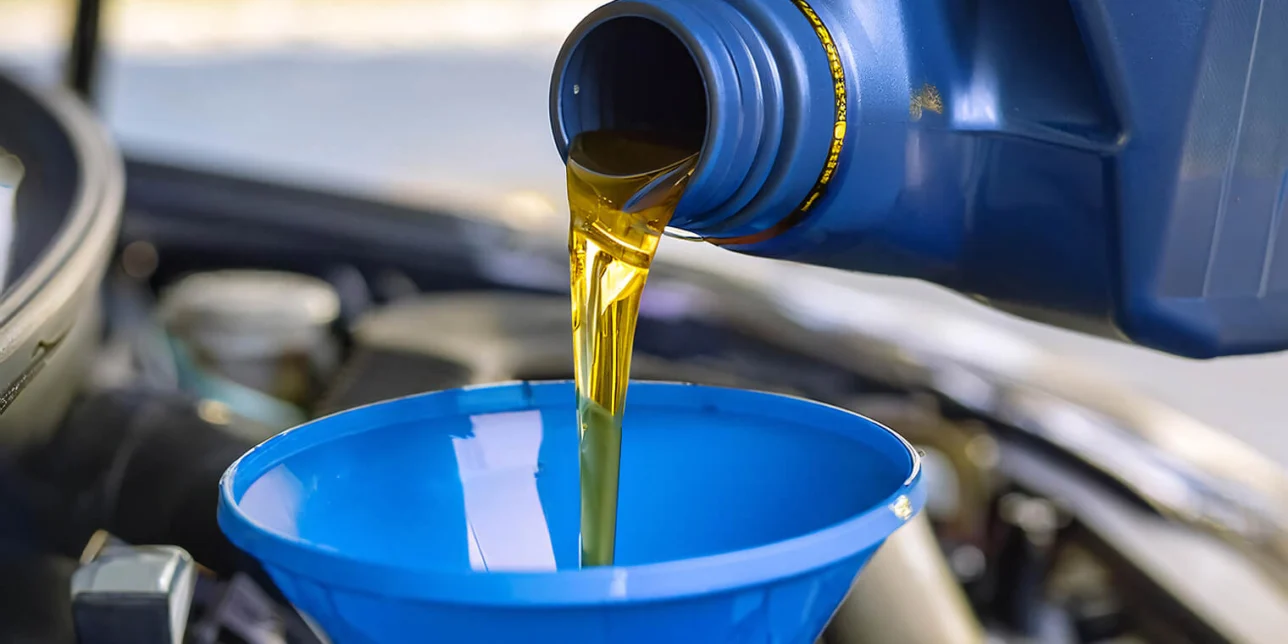
Does an Oil Change Improve Gas Mileage? (Plus How Tire Rotation Saves You Even More)
While factors like traffic and driving habits all play a role in your car’s fuel economy, what’s happening under the hood matters too. Routine maintenance can significantly impact how efficiently your vehicle runs.
So, does an oil change improve gas mileage?
In many cases, yes. Fresh oil helps your engine operate efficiently, and regular tire rotations help your tires wear evenly. In this guide, we explain how these two simple maintenance services can help you get more out of every tank and support your vehicle’s long-term performance.
How Oil Changes Impact Fuel Economy (The Science Behind Better Mileage)
When fuel economy starts slipping, it’s easy to blame heavy traffic or that recent stretch of hot or cold weather. But routine maintenance also plays a role in vehicle efficiency.
Engine oil naturally degrades over time, becoming less effective than it was when it was fresh. While an overdue oil change isn’t guaranteed to cause a dramatic drop in MPG, it contributes to the gradual efficiency losses that occur from maintenance neglect.
Why Engine Oil Quality Matters for Fuel Efficiency
The best engine oil isn’t necessarily the most expensive one. It’s the oil that meets your manufacturer’s specifications. Oil viscosity plays an important role in protecting critical engine components, which is why manufacturers specify certain oil types for each vehicle. Conventional and synthetic oils both protect the engine, though synthetic oils typically hold up better in extreme temperatures and over longer periods of use.
Either way, sticking with your manufacturer’s oil recommendations and keeping up with suggested oil change service guidelines are two of the simplest ways to support long-term engine performance and efficiency.
Signs Your Oil Is Hurting Your Gas Mileage
It’s not always a warning light or major performance issue. Some of the common indicators of reduced oil efficacy include:
- Reduced fuel economy
- Dark or dirty-looking oil
- Increased engine noise
- Low oil levels
- Overdue maintenance reminders
If you’re noticing one or more of these signs, it may be time to get your oil checked.
How Tire Rotation Enhances Fuel Efficiency (The Overlooked Maintenance Step)
Your tires affect daily vehicle performance, making tire rotations an essential component of routine maintenance.
The Science of Rolling Resistance and Fuel Economy
Every tire creates resistance as it rolls down the road. The more resistance your vehicle has to overcome, the harder the engine has to work to maintain speed.
Uneven tire wear can gradually increase that resistance. Think of it like walking in a pair of shoes that have worn down unevenly. You can still get where you’re going, but movements don’t feel as smooth or balanced as they used to.
Tire pressure matters too. Underinflated tires create more rolling resistance—but that doesn’t mean more air is always better. Your manufacturer’s recommended tire pressure is designed to balance efficiency, handling, and safety.
Tire Rotation Patterns That Maximize Fuel Savings
The Tire Industry Association notes that tire rotations help promote more even tread wear, which can improve tire longevity and maintain more consistent performance over time.
- Front-Wheel Drive: Front tires typically wear faster because they handle steering, acceleration, and much of the braking force.
- Rear-Wheel Drive: Rear tires often experience more wear from power delivery, while the front tires continue to handle steering duties.
- All-Wheel Drive: Because all four tires help deliver power, maintaining even tread wear is especially important. Regular rotations help support consistent performance across all four tires.
The goal of tire rotation patterns is to promote even tread wear across all four tires. Consistent wear helps maintain tire performance and can contribute to a smoother, more efficient driving experience over time. For best results, always follow the tire rotation schedule and pattern recommended by your vehicle’s manufacturer.
Combined Benefits: Oil Changes + Tire Rotation = Maximum Savings
Oil changes and tire rotations complement each other. While they address different components, both help support your vehicle’s performance and longevity.
Creating Your Fuel-Efficient Maintenance Schedule
When it comes to maintenance schedules, your owner’s manual is the best place to start. It outlines service recommendations based on your vehicle’s design, helping you stay ahead of routine maintenance without relying on guesswork. Drivers who spend a lot of time in stop-and-go traffic, make frequent short trips, tow trailers, or face extreme weather may require more frequent maintenance.
Cost-Benefit Analysis of Regular Maintenance
Consistently following manufacturer-recommended services supports fuel economy and keeps your vehicle performing at its best over time.
At Grease Monkey, our Certified Pit Crew focuses on straightforward advice and maintenance recommendations based on your vehicle’s needs. Whatever automotive services you need, we’re here to help you stay ahead of vehicle care without the pressure that often comes from traditional auto shops.
Common Maintenance Mistakes That Hurt Fuel Economy
Neglecting vehicle maintenance can gradually affect your car’s fuel economy. Here are some of the common mistakes to avoid so you can maximize your vehicle’s performance:
Oil Change Myths That Cost You Money
- The old “every 3,000 miles” rule doesn’t apply to most modern vehicles and oils. Instead of relying on a universal mileage number, follow the oil change recommendations in your owner’s manual.
- The most expensive oil isn’t always the best choice. In reality, the right oil is the one that meets your manufacturer’s specifications.
- If you handle oil changes yourself, small mistakes like using the wrong viscosity or overfilling the engine can create problems that outweigh any money saved.
Tire Maintenance Errors to Avoid
- Skipping recommended tire rotations
- Driving on underinflated tires
- Ignoring uneven tread wear
- Mixing tire types that aren’t designed to work together
- Waiting too long to address alignment concerns
Now that we’ve answered the question, “Does oil change improve gas mileage?”, if it’s been a while since your last oil change or tire rotation, check your vehicle’s owner’s manual and stop by for a visit. Browse our oil change coupons, and we’ll get you back on the road affordably and safely.
Frequently Asked Questions
Every vehicle is different. If your oil is overdue for replacement, you may notice a small improvement in fuel economy after an oil change. The biggest benefit of a routine oil change is long-term engine performance.
Tire rotations are more about promoting even wear than chasing higher MPG. That said, evenly worn tires support overall efficiency and are one of the best ways to get the most life out of your tires.
Skip the one-size-fits-all advice and check your owner’s manual. Your vehicle manufacturer knows your vehicle better than any rule-of-thumb, especially if you drive in heavy traffic or extreme temperatures.
It can. Always follow your manufacturer’s oil recommendations. Just because one oil costs more than another doesn’t automatically make it a better choice for your vehicle.
It can. As oil ages, it becomes less effective. You may not notice the difference overnight, but over time old oil compromises efficiency and overall engine performance.




Plan Your Visit
Find a location near you, explore current deals, and get everything you need before you roll in.